Poverty, illiteracy, and lack of access to modern facilities remain major challenges in Pakistan’s rural areas, highlighting the urgent need for national development and educational reforms.
Poverty and Educational Challenges in Pakistan
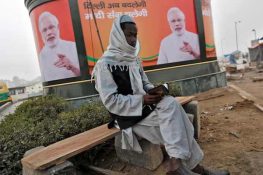
Pakistan is one of the most populated countries in the world, yet a large percentage of its population continues to live below the poverty line. Millions of people are deprived of basic human rights and essential services such as education, healthcare, and employment opportunities. The situation is particularly difficult in rural areas, where many communities still lack proper schools, hospitals, and other public facilities.
Poverty and illiteracy are deeply connected problems. Families struggling to meet their daily needs often cannot prioritize education for their children. As a result, many children in villages and remote areas grow up without access to proper schooling, limiting their chances of improving their future.
According to international development reports, improving literacy and access to education is one of the most effective ways to reduce poverty and strengthen economic growth in developing countries like Pakistan.
Lack of Access to Technology in Rural Areas
One of the biggest differences between urban and rural Pakistan is access to technology. In major cities, people rely heavily on smartphones, the internet, and social media in their daily lives. However, many people living in villages still have limited or no exposure to these modern technologies.
In some rural communities, people are not fully aware of how the internet and digital tools can improve education, communication, business, and employment opportunities. This growing digital divide continues to widen the gap between wealthy urban populations and underprivileged rural communities.
Technology has become an essential part of modern life, and without access to it, many people remain disconnected from educational and economic opportunities available in the rest of the world.
Why Education and Digital Awareness Matter
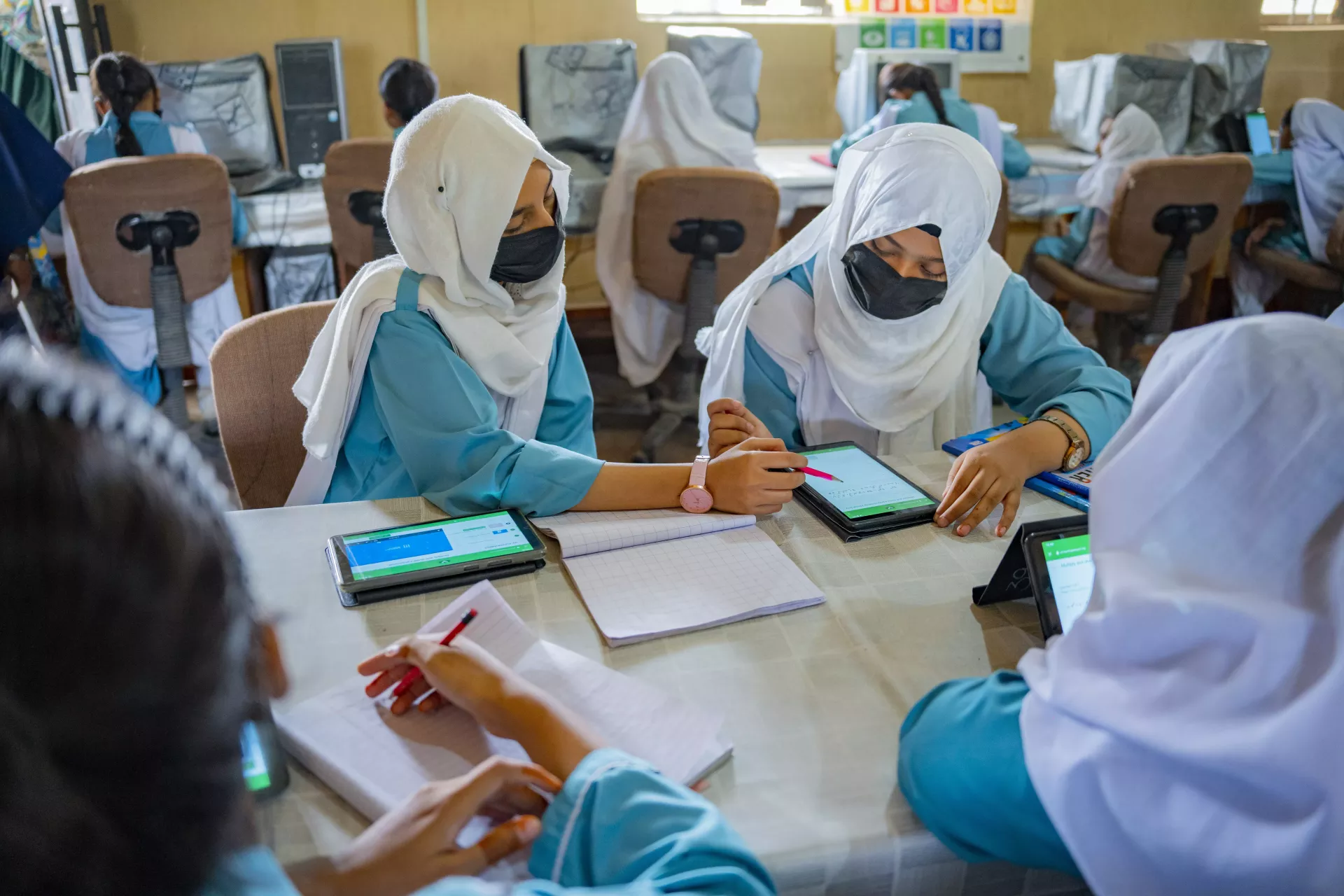
In today’s world, education is no longer limited to traditional classrooms. Digital learning platforms, online courses, and internet-based communication have transformed the way people learn and work.
Access to the internet can help students receive online education, enable farmers to learn modern agricultural methods, and allow young people to explore freelancing and remote job opportunities. Social media and digital platforms also help people stay informed about national and global developments.
Experts believe that improving digital literacy in rural areas could play a major role in reducing unemployment and creating economic opportunities for young people.
The Role of Government and NGOs
To address these issues, the government, private sector, and civil society must work together. More schools, vocational training centers, and digital learning facilities should be established in rural areas to support underprivileged communities.
Non-governmental organizations (NGOs) can also make a significant contribution by launching educational campaigns and technology awareness programs. Providing affordable internet access and basic digital training could help thousands of people improve their quality of life.
Investment in education and technology is not only beneficial for individuals but also essential for the long-term development of the country.
A Better Future for Pakistan
The true strength of any nation lies in its educated population. If Pakistan wants to progress and compete in the modern world, it must ensure equal educational and technological opportunities for all citizens, regardless of where they live.
Reducing poverty, improving literacy, and expanding access to technology can help create a more stable, informed, and prosperous society. By investing in education and empowering rural communities, Pakistan can move toward a brighter and more successful future for the next generation.