WASHINGTON/TEHRAN: The United States carried out a third consecutive day of military strikes against Iran on Tuesday, while Iran’s Islamic Revolutionary Guard Corps (IRGC) claimed responsibility for missile and drone attacks targeting American military facilities in Bahrain and Jordan, marking another sharp escalation in the ongoing conflict.
The latest exchanges have heightened concerns over regional security, global energy supplies, and the future of diplomatic efforts aimed at ending the hostilities.
US Continues Military Operations
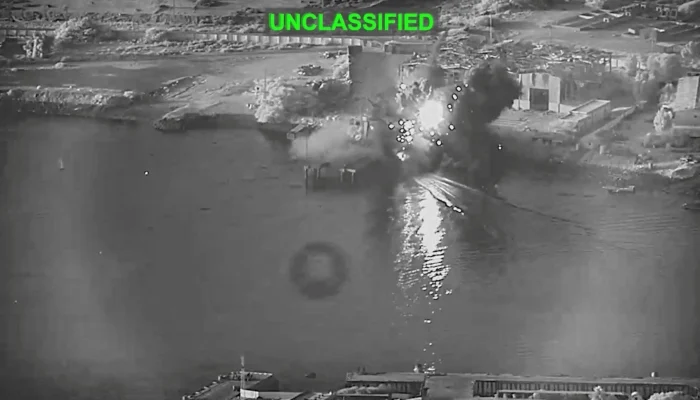
According to the US Central Command (CENTCOM), American forces conducted a five-hour operation targeting military sites in Bushehr, Bandar Abbas, and other locations across Iran.
The US military said the strikes were intended to degrade Iran’s ability to threaten commercial shipping and maritime traffic in the Strait of Hormuz, one of the world’s most strategically important waterways for global energy trade.
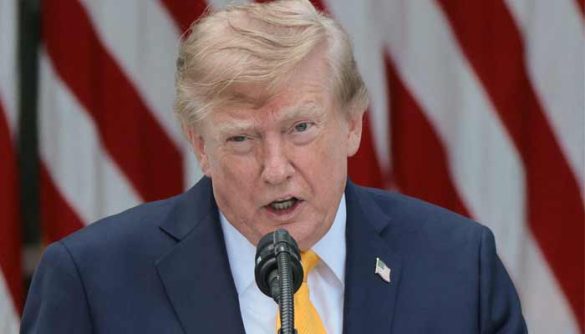
Speaking at the White House, President Donald Trump indicated that military operations would continue, saying the United States intended to maintain pressure on Iran.
Iran Claims Retaliatory Attacks
Following the US strikes, the IRGC announced that it had launched missiles and drones targeting American military-related facilities in Bahrain.
Iran also claimed to have targeted a US air base in Jordan. Jordanian authorities, however, said their air defense systems intercepted four Iranian missiles before they reached their intended targets.
The latest claims followed earlier Iranian announcements of attacks against US-linked facilities in Bahrain, Jordan, Kuwait, and Oman.
Iran has maintained that its operations are directed solely at US military interests in the Gulf, while warning that any regional country assisting American military operations could be considered a party to the conflict.
Strait of Hormuz at the Center of Tensions
President Trump also announced plans to reinstate a blockade on Iranian ports and proposed imposing a 20% transit fee on cargo passing through the Strait of Hormuz.
According to CENTCOM, the blockade of Iranian ports connected to the strategic waterway was scheduled to begin later on Tuesday.
POTUS is absolutely right. Whoever provides secure and safe passage of commercial vessels through the Strait of Hormuz should be compensated for this service.
Iran has always been the GUARDIAN of the Strait and will remain so FOREVER.
20% is of course too much. We will be fair
— Seyed Abbas Araghchi (@araghchi) July 13, 2026
The proposal drew criticism from Iranian officials. Iranian Foreign Minister Abbas Araghchi responded on social media, saying that while those ensuring safe passage could reasonably seek compensation, a 20% fee was excessive.
The Strait of Hormuz handles roughly one-fifth of the world’s seaborne oil shipments, making any disruption in the area a major concern for global energy markets.
Oil Prices Continue to Rise
The renewed military escalation has pushed global oil prices higher.
Crude oil prices surged by more than 9% in the previous trading session before rising by another 1% on Tuesday, as investors reacted to fears of supply disruptions through the Strait of Hormuz.
Analysts warn that prolonged instability in the Gulf could lead to further increases in energy prices and contribute to inflationary pressures worldwide.
Trump Says Diplomacy Is Still Possible
Despite the ongoing military operations, President Trump said he still believes a negotiated settlement with Tehran remains achievable.
Meanwhile, Iranian Foreign Ministry spokesperson Esmaeil Baqaei said that the memorandum of understanding reached in June, which had formed the basis for negotiations between the two countries, was now “in crisis.”
He warned that Iran would not continue honoring its commitments if Washington failed to do the same.
However, Baqaei confirmed that diplomatic contacts through mediators including Qatar, Pakistan, and Oman were continuing in an effort to prevent further escalation and revive negotiations.
Regional Uncertainty Deepens
The latest exchange of military strikes has significantly increased uncertainty across the Middle East, raising concerns about regional stability, maritime security, and international trade.
While both Washington and Tehran continue to exchange military threats and retaliatory actions, diplomatic channels have not been completely closed. Whether those efforts can prevent a broader regional conflict remains uncertain, but developments in the coming days are expected to have significant implications for global security and financial markets.