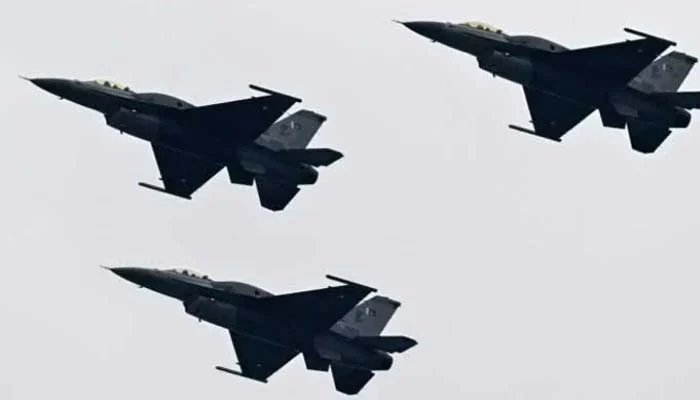
Pakistan carried out precision aerial and drone strikes on 10 locations in Afghanistan in response to recent attempted drone incursions launched from Afghan territory, Information Minister Attaullah Tarar said early Thursday.
In a statement posted on X, Tarar said the strikes were conducted in exercise of Pakistan’s sovereign right to self-defence and targeted locations allegedly used for launching and storing drones.
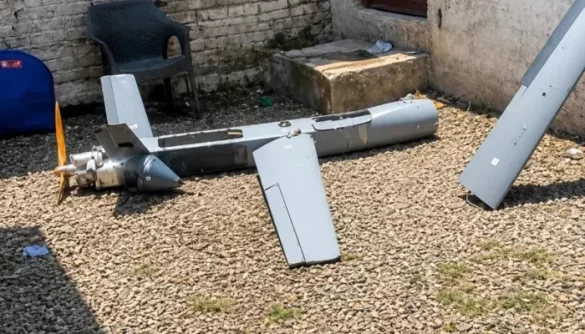
The strikes came a day after Pakistan said it had shot down eight drones that entered its airspace from Afghanistan. Security sources said Pakistan’s air defence systems detected, tracked and intercepted all eight drones before they could reach their intended targets.
Four of the drones were reportedly brought down near the Torkham border, while four others were intercepted in mountainous areas near Kohat.
Pakistan calls drone intrusion a violation of sovereignty
Tarar said the strikes were “deliberate, precise, calibrated and proportionate” and limited to identified military objectives that Pakistan linked directly to the attempted drone attacks.
He strongly condemned what he described as an unlawful drone incursion launched from Afghan territory on September 23, calling it a violation of Pakistan’s sovereignty and territorial integrity.
According to the minister, Pakistan has repeatedly raised concerns with the Afghan Taliban authorities and their interlocutors over the presence of militant sanctuaries and support networks on Afghan soil.
Tarar accused the Taliban authorities of failing to take what Pakistan considers credible and verifiable action against militant groups operating from Afghanistan, saying the recent drone operations represented an escalation.
Pakistan, he said, would not accept attacks launched from Afghan territory, whether carried out by militant organisations or the Afghan Taliban authorities themselves.
Pakistan shoots down eight drones along Afghan border, sources say
Islamabad warns against further attacks
Tarar called on the Afghan Taliban authorities to end hostile activities against Pakistan and take “effective, concrete, verifiable and sustained action” against militant groups operating from Afghan soil.
He said Afghan territory should not be used to launch attacks or conduct hostile operations against Pakistan.
At the same time, Tarar said Pakistan did not seek escalation and remained committed to regional peace, dialogue and constructive engagement.
However, he warned that Islamabad’s commitment to dialogue should not be interpreted as acceptance of further hostile actions.
“Pakistan will defend its sovereignty, territorial integrity and the lives of its citizens with full resolve,” the minister said, adding that further provocative actions would receive a firm response.
Cross-border militancy remains a major dispute
Pakistan has reported a rise in cross-border militant attacks, particularly in Khyber Pakhtunkhwa and Balochistan, since the Afghan Taliban returned to power in 2021.
Islamabad has repeatedly urged Kabul to prevent Afghan territory from being used by militant organisations to carry out attacks in Pakistan. Pakistani authorities maintain that the Afghan Taliban have not taken sufficient action against groups blamed for attacks on Pakistani security forces and civilians, while Kabul has disputed such allegations.
Pakistan launched Operation Ghazab lil-Haq in February 2026, months after the two countries agreed to a ceasefire in October 2025 following clashes at several points along the border.
Despite multiple rounds of talks, Pakistan and Afghanistan have yet to resolve their differences, with the presence and activities of militant groups on Afghan soil remaining a major source of tension between the two countries.