The Asian Development Bank (ADB) has approved $500 million in contingent disaster financing facilities for Pakistan to strengthen the country’s ability to respond to natural calamities, including floods and earthquakes.
Announced on Wednesday, November 11, 2026, the financing will provide prompt budget support following eligible disaster events, helping Pakistan reduce the economic and fiscal consequences of emergencies.
According to the ADB, the facilities have been approved under its policy-based lending framework as part of the second subprogramme of the Climate and Disaster Resilience Enhancement Programme.
Pakistan Faces $2 Billion in Annual Disaster Losses
The ADB estimates that floods, earthquakes and other natural disasters cause Pakistan average annual losses of approximately $2 billion.
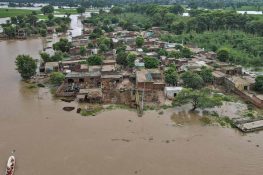
The bank highlighted the devastating impact of the 2022 floods, which caused $14.9 billion in direct damage and $15.2 billion in economic losses. The disaster also pushed as many as 9.1 million people into poverty.
The ADB noted that poor and rural communities have fewer resources to recover from natural disasters, while women and girls are disproportionately affected.
The latest financing is intended to improve Pakistan’s ability to access funds quickly after qualifying disasters rather than wait for lengthy funding arrangements during emergencies.
Funding to Strengthen Disaster Preparedness
The $500 million facilities form part of the second subprogramme of the ADB’s Climate and Disaster Resilience Enhancement Programme.
The initiative supports policy reforms aimed at improving disaster preparedness, strengthening risk management and integrating climate resilience into Pakistan’s development planning and investment.
It will also help improve the country’s disaster risk financing framework and ensure better availability of funds following emergencies.
ADB Country Director for Pakistan Emma Fan said vulnerable communities often suffer the greatest consequences when disasters strike.
“Investing in preparedness can help protect lives and livelihoods, reduce economic losses, and safeguard the development gains Pakistan has worked hard to achieve,” she said.
Fan added that the programme would support Pakistan in implementing important reforms to build a more resilient future.
ADB pledges full support for ML-1 as Pakistan seeks faster progress
Previous ADB Support for Climate Resilience
The latest approval builds on the ADB’s earlier assistance for Pakistan’s climate and disaster management efforts.
In October 2024, the bank approved a $500 million policy-based loan under the same programme to strengthen the country’s capacity for disaster planning, preparedness and response.
The second subprogramme continues those efforts by supporting reforms that improve access to emergency financing and incorporate resilience measures into public investment decisions.
The ADB said the programme was aligned with Pakistan’s priorities for managing disaster risks and its own commitment to supporting climate resilience across Asia and the Pacific.
Pakistan Faces Growing Climate Challenges
Pakistan remains highly vulnerable to climate-related disasters, including floods, extreme heat, droughts and coastal flooding.
The devastating 2022 floods exposed weaknesses in disaster preparedness and caused widespread damage to homes, infrastructure, agriculture and livelihoods.
More recently, the ADB’s Asia-Pacific Climate Report 2026 warned that approximately 1.48 million people in Pakistan could be exposed to annual coastal flooding by 2100 as rising sea levels, coastal erosion and saltwater intrusion threaten communities and infrastructure.
The approval of the $500 million financing comes as Pakistan seeks greater international support to strengthen climate resilience and protect vulnerable communities.
The contingent financing is expected to provide the government with a financial mechanism to respond more quickly when eligible disasters occur, while related policy reforms aim to reduce the country’s long-term exposure to climate risks.
Source: The Express Tribune, Asian Development Bank, Dawn