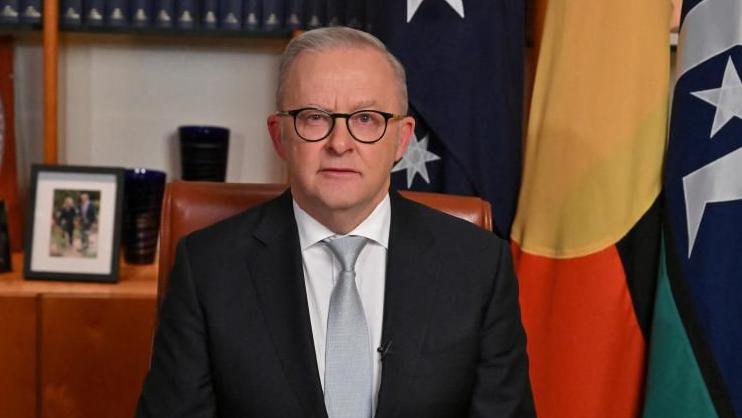
Albanese said the US election results were among the key issues discussed by world leaders at the Commonwealth Heads of Government Meeting (CHOGM), according to the Australian Broadcasting Corporation on Saturday.
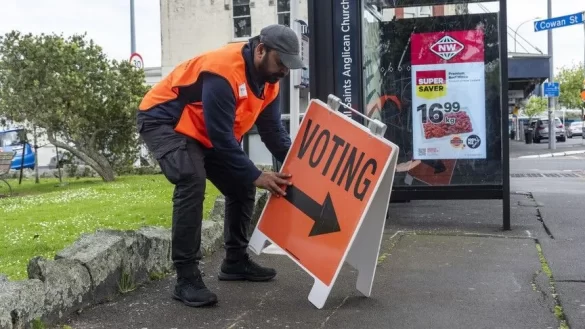
He described the Republican losses as “very significant”, as Democrats secured control of the US House of Representatives and won a majority of governorships in Tuesday’s midterm elections.
War Discussed at CHOGM
Speaking about discussions at the Commonwealth summit, Albanese said leaders were concerned about the conflict’s impact on the global economy, inflation and international trade.
“Whether it be inflation in the global economy or the need to have free trade settings … every nation [at CHOGM] wants to see the war end and for the Strait of Hormuz to reopen,” he said.
The Australian prime minister linked the conflict directly to rising living costs, saying its economic consequences were affecting countries beyond the Middle East.
He added that he would continue making diplomatic representations to Washington to encourage a reduction in tensions.
Direct Message to Trump
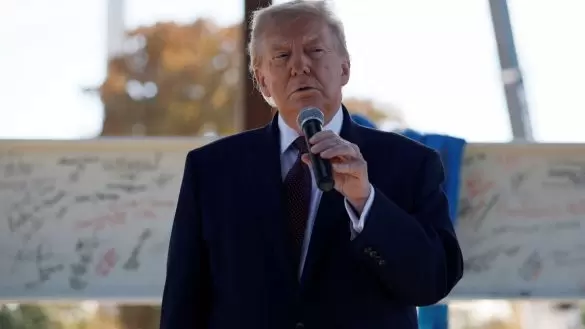
Albanese said he had already communicated his position publicly and directly to US President Donald Trump, making clear that the conflict needed to move towards de-escalation.
“I have said it publicly and directly [to Mr Trump] that it’s time for there to be a de-escalation,” he said.
However, he rejected the suggestion that Australia needed to adopt a more forceful approach towards Washington.
The prime minister said Australians could expect his government to continue handling the matter diplomatically while protecting the country’s national interests.
His remarks underline Australia’s concern over the wider economic consequences of the conflict, particularly its impact on energy supplies, trade routes and household expenses.
Iran’s Supreme Leader Warns US Against Expecting Policy Shift After Midterm Elections
Strait of Hormuz Concerns
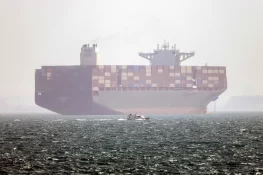
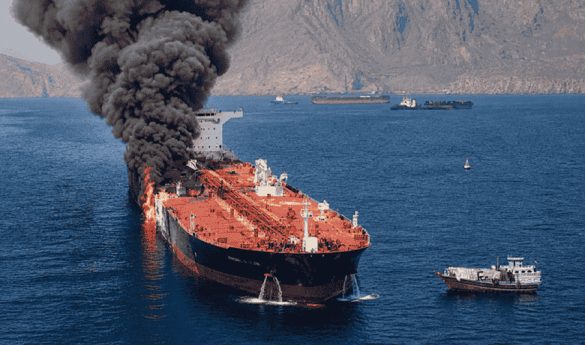
The Strait of Hormuz has remained a major concern in discussions surrounding the conflict because of its importance to international energy shipments.
Albanese said reopening the strategic waterway and restoring stability in global trade were priorities shared by Commonwealth leaders.
Disruptions to shipping through the route can affect oil supplies and international energy prices, adding pressure to economies already dealing with inflation and higher living costs.
Conflict Remains Unresolved
The United States and Israel launched a military offensive against Iran on February 28. A ceasefire was reached in April, followed by the signing of a memorandum of understanding in June as part of efforts to establish a broader peace agreement.
However, diplomatic efforts have so far failed to produce a lasting settlement, and the conflict remains unresolved.
Albanese’s latest comments reflect growing international calls for de-escalation, as governments remain concerned about the consequences of continued fighting for global trade, energy markets and economic stability.