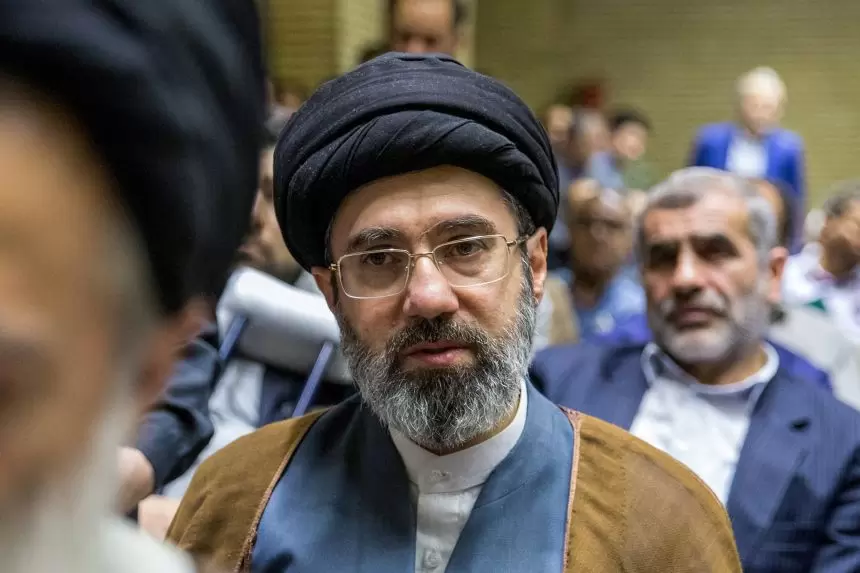
TEHRAN: Iranian Supreme Leader Mojtaba Khamenei has warned that anyone expecting a change in US policy towards Iran following the American midterm elections is “seriously mistaken,” as tensions between the two countries remain high amid an ongoing regional conflict.
According to AFP, Khamenei issued the warning in a written statement published on his official website on Wednesday, a day after the US midterm elections dealt a political blow to President Donald Trump.
He said those expecting Washington’s behaviour to change because of political or party-level developments were mistaken. He also cautioned against believing that making concessions to the United States would persuade it to abandon its hostile approach towards Iran.
Khamenei further warned that the conflict in the Middle East could expand significantly if the United States resumed military attacks against the Islamic Republic.
“Should such aggressions be repeated, its scope will become much wider,” he said.
Ghalibaf Says American Voters Have Rejected War
Iranian Parliament Speaker Mohammad Bagher Ghalibaf also commented on the US election results, describing them as a rejection of the war by American voters.
In a post on social media platform X on Wednesday, Ghalibaf said Americans had voted against war, whether motivated by their conscience or concerns about the rising cost of living.
“Conscience or the cost of living, Americans said NO TO WAR, and we endorse this message,” he wrote.
He further warned that if the US administration ignored public opinion to serve international interests and pressure groups, it would face serious consequences.
His remarks came after Democrats made gains in the Senate and House elections, delivering a setback to Trump’s leadership. The war involving Iran has been among the major issues influencing political debate in the United States.
Drones Target Iranian Kurdish Opposition Groups in Iraq
Meanwhile, two explosive-laden drones attacked Iranian Kurdish opposition groups in Iraq’s Sulaymaniyah and eastern Erbil on Wednesday, according to security sources.
Iran has repeatedly targeted bases belonging to Iranian Kurdish opposition groups in Iraq’s autonomous Kurdistan region, accusing them of organising attacks inside Iranian territory.
The latest incidents highlight the continuing security tensions surrounding Iran and neighbouring Iraq as the wider regional conflict remains unresolved.
Iran Reports Four Oil Tankers Destroyed in Strait of Hormuz
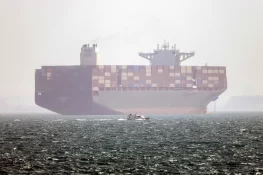
In another development, Iran’s Islamic Revolutionary Guard Corps (IRGC) claimed that four oil tankers caught fire after striking naval mines while attempting to cross a restricted passage south of the Strait of Hormuz.
According to a statement carried by Iranian state television, the vessels had attempted to use a prohibited route and were destroyed after hitting the mines. The IRGC also claimed that two other vessels had been stopped and that Iranian forces had shot down a drone over the strategic waterway.
The Strait of Hormuz is one of the world’s most important energy shipping routes, connecting the Persian Gulf with international markets. Any disruption to shipping through the narrow passage can affect global oil supplies and energy prices.
Iran has claimed control over the waterway and targeted vessels attempting to cross without its authorisation since the conflict began.
Tehran Says It Is Ready for War but Prefers Dialogue
The conflict, which began with US-Israeli strikes against Iran in February, has remained largely deadlocked for months.
Indirect contacts between Washington and Tehran through mediators have continued, but there has been little indication of a diplomatic breakthrough.
Iran has indicated that it is willing to reopen the Strait of Hormuz, provided Washington accepts a longstanding list of its demands.
Mohammad Bagher Ghalibaf, who is also Iran’s chief negotiator in talks with the United States, has maintained that the country remains prepared for military confrontation.
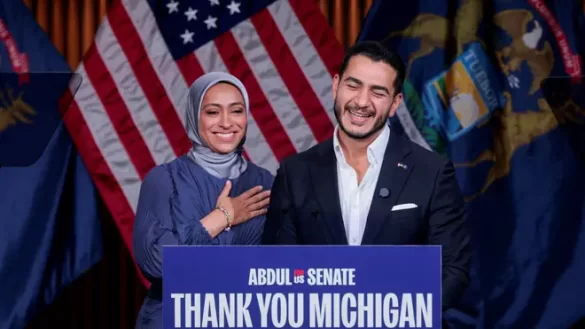
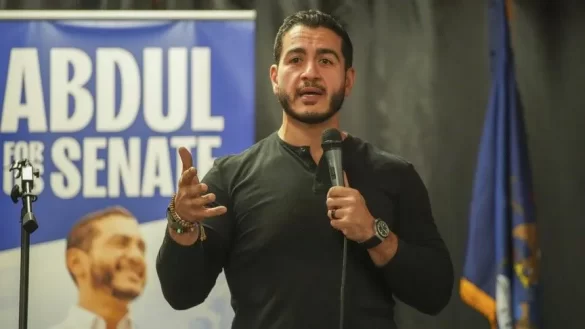
At Least Seven Muslims Elected to US Congress in Midterm Elections
He said the Islamic Republic was ready for battle, with its forces prepared to respond.
However, Iranian President Masoud Pezeshkian has emphasised that his government is seeking to resolve the crisis through diplomatic negotiations.
On Tuesday, Pezeshkian warned that no country would benefit if fighting resumed.
Trump Says US Has No Immediate Plans to Attack Iran
Meanwhile, US President Donald Trump told the Financial Times on Tuesday that Washington had no immediate plans to launch another attack against Iran.
In an interview conducted shortly before voting ended in the US midterm elections, Trump described America’s current position towards Tehran as a “brilliant situation,” suggesting that his administration was satisfied with the pressure being exerted on Iran.
“We seem to be getting everything we want,” he said.
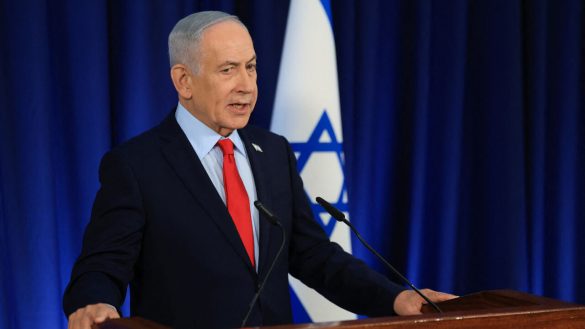
Asked about indications from Israeli Prime Minister Benjamin Netanyahu that an attack could take place later in the week, Trump said American forces remained prepared for military action but suggested that another strike might not be necessary.
“I’m ready, we’re ready. We’re locked and loaded if we need to go, but there may be no reason for it,” he said.
Trump also argued that the United States was not engaged in a conventional war with Iran, referring to previous American strikes against the country’s nuclear infrastructure.
He cited the earlier deployment of B-2 bombers, claiming that the operations had destroyed Iran’s nuclear capabilities.
However, the president acknowledged that Washington remained concerned about Iran’s estimated stockpile of approximately 1,000 pounds of enriched uranium.
Trump described the material as “nuclear dust” and said discussions with Tehran about its future were continuing through indirect diplomatic contacts.
Although much of the material is believed to be buried beneath substantial rubble from previous attacks, Trump said he was uncomfortable with the possibility of it remaining there.
The latest developments underline the uncertainty surrounding US-Iran relations, with military threats, disruptions to international shipping and diplomatic efforts continuing simultaneously. The outcome of the political developments in Washington and ongoing negotiations could play an important role in determining whether tensions escalate further or move towards a diplomatic resolution.