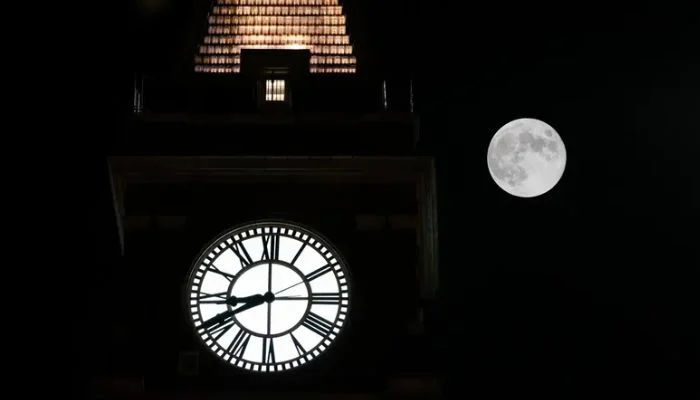
Daylight Saving Time (DST) will end in the United States on Sunday, November 1, 2026, when Americans will turn their clocks back by one hour unless Congress passes legislation to make the time change permanent.
Under the current system, clocks will move from 2:00 a.m. back to 1:00 a.m., giving people an additional hour of sleep. The change will also mean earlier sunsets and darker evenings during the winter months.
Most smartphones, computers and internet-connected devices are expected to adjust automatically. However, people may need to manually reset traditional clocks, appliances and some older vehicles.
Senate faces deadline before time change
The change could potentially be avoided if Congress approves legislation before November 1.
The US House of Representatives passed the Sunshine Protection Act of 2025 on July 14 by a vote of 308-117. The bill was then sent to the Senate, where it has yet to advance.
If approved and enacted, the legislation would make Daylight Saving Time permanent across the country, eliminating the twice-yearly clock changes.
US President Donald Trump has supported the idea of ending the clock changes, describing the practice as “foolish, inconvenient and, in some cases, very costly.”
For now, however, the existing law remains in effect, meaning Americans should prepare to turn their clocks back on November 1.
US previously tried permanent Daylight Saving Time
The United States has previously experimented with keeping Daylight Saving Time in place throughout the year.
In response to the 1970s oil crisis, President Richard Nixon signed the Emergency Daylight Saving Time Energy Conservation Act. The measure began a two-year trial of permanent DST on January 6, 1974.
The experiment quickly faced criticism, particularly because winter mornings became darker when people were travelling to work and school.
Solar eclipse 2026: Complete guide to Wednesday’s celestial event
In Florida, early-morning traffic accidents reportedly resulted in the deaths of 8 children within the first month of the experiment.
Public support for permanent DST also fell sharply, dropping from 79% in December 1973 to 42% by February 1974.
Congress ultimately ended the experiment ahead of schedule, and the country returned to standard time on October 27, 1974.
When will Daylight Saving Time return?
Unless the law changes, Daylight Saving Time will return in the spring.
Under the current schedule, Americans will move their clocks forward by one hour on March 14, 2027.
Until Congress takes further action, the twice-yearly clock change will therefore remain part of the US timekeeping system.