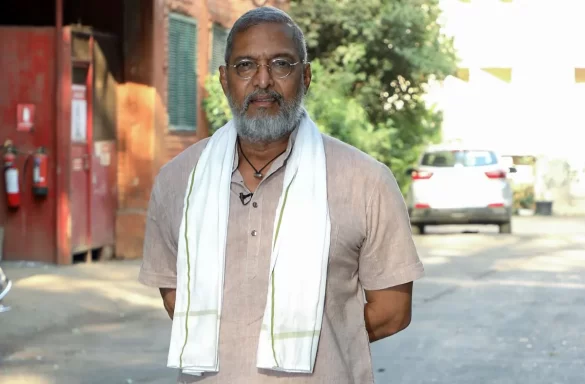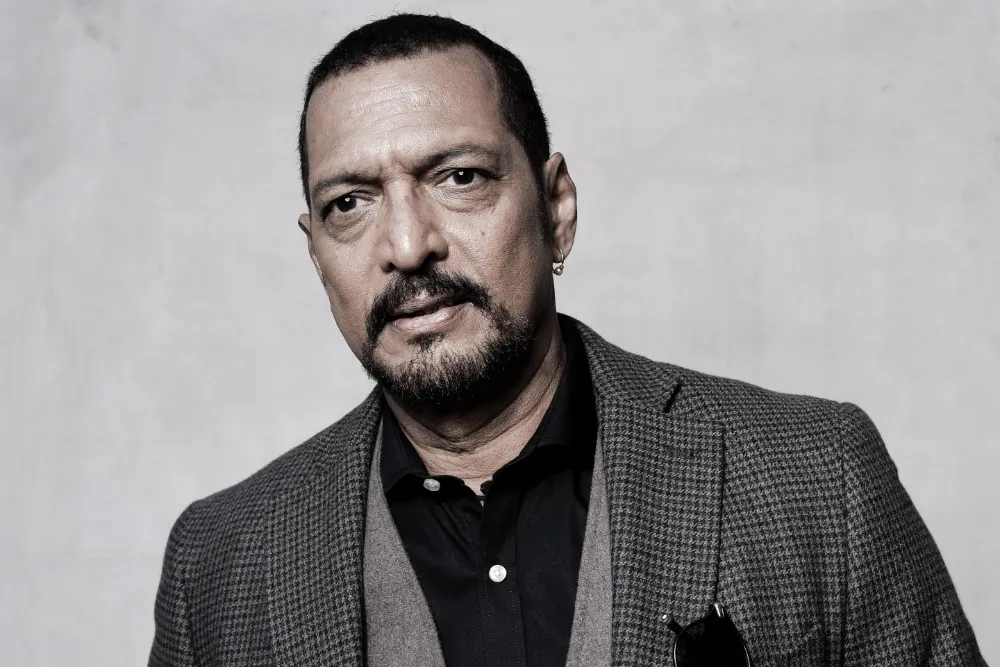
The death of veteran actor Nana Patekar at 75 has brought renewed attention to a film career that stretched across nearly five decades and repeatedly defied easy categorisation.
Patekar died in Goa on October 8 after suffering a cardiac arrest. He was found unconscious at his residence and was taken to hospital, where attempts to revive him were unsuccessful.
Born Vishwanath Patekar in Maharashtra in 1951, he began his career in Marathi theatre before moving into films. His work eventually earned him three National Film Awards and the Padma Shri, while his performances in Hindi and Marathi cinema established him as one of India’s most distinctive actors.
His legacy is particularly evident in the characters that audiences continued to remember long after the films were released. Among his many performances, these five roles illustrate the extraordinary range of an actor equally comfortable with menace, anger, psychological darkness, restraint and comedy.
1. Parinda (1989) – Anna
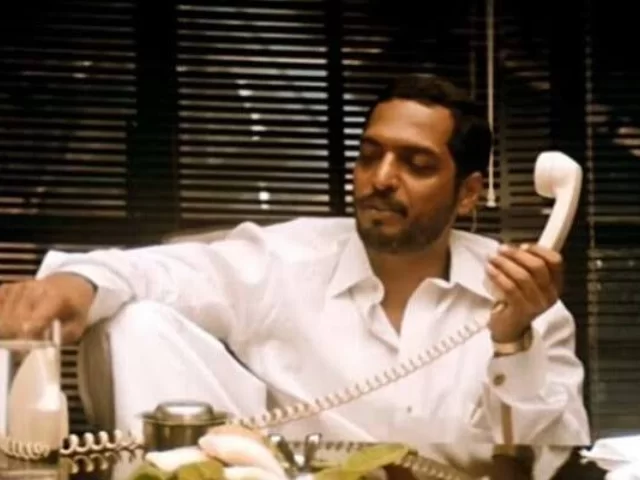
Vidhu Vinod Chopra’s Parinda marked a major turning point in Patekar’s Hindi film career, with the actor playing the terrifying Mumbai underworld boss Anna.
The film follows two orphaned brothers whose lives become entangled in the city’s criminal world. Anna is both intimidating and strangely paternal, capable of moments of calm before suddenly turning violent.
Patekar made the character particularly memorable through his portrayal of Anna’s paranoia and fear of fire, which became a defining part of the story.
The performance earned Patekar the National Film Award for Best Supporting Actor and a Filmfare Award in the same category. It also established his reputation for bringing a deeply personal quality to threatening characters.
2. Krantiveer (1994) – Pratap Narayan Tilak

Five years later, Patekar delivered another defining performance in Krantiveer.
He played Pratap Narayan Tilak, a disillusioned man living in a Mumbai chawl who becomes increasingly vocal against corruption, communal violence and political apathy.
Unlike the controlled menace of Anna, Pratap was loud, angry and confrontational. Patekar’s powerful dialogue delivery became central to the film and helped make the character one of the memorable “angry man” figures of 1990s Hindi cinema.
The performance earned him the National Film Award for Best Actor.
3. Agni Sakshi (1996) – Vishwanath
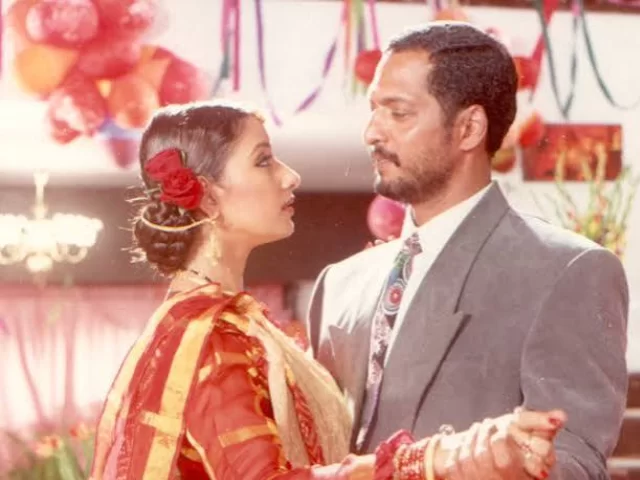
In Agni Sakshi, Patekar moved into psychological thriller territory as Vishwanath, the abusive and unpredictable former husband of Manisha Koirala’s character.
The film follows a woman whose new marriage is threatened when her violent former husband reappears in her life.
Patekar’s portrayal depended heavily on unpredictability. Vishwanath could appear calm or affectionate before suddenly becoming threatening, making his behaviour difficult for both the characters and the audience to anticipate.
The performance demonstrated Patekar’s ability to create a disturbing screen presence without relying solely on physical violence or conventional action.
Veteran Bollywood Actor Nana Patekar Dies at 75
4. Ab Tak Chhappan (2004) – Inspector Sadhu Agashe
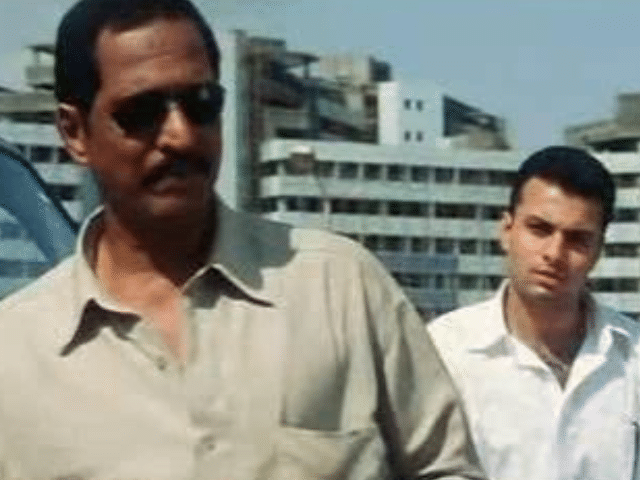
By the time Patekar appeared as Inspector Sadhu Agashe in Ab Tak Chhappan, his reputation for playing morally complicated characters was firmly established.
Directed by Shimit Amin, the film follows Agashe, a Mumbai police officer associated with encounter killings. The character was reportedly inspired in part by real-life Mumbai police officer Daya Nayak.
Patekar played Agashe with considerably more restraint than his fiery role in Krantiveer. His dry manner and understated delivery gave the character a weary quality, while the film left audiences to grapple with the moral questions surrounding his methods.
The performance showed how Patekar’s intensity could remain powerful even when he barely raised his voice.
5. Welcome (2007) – Uday Shetty
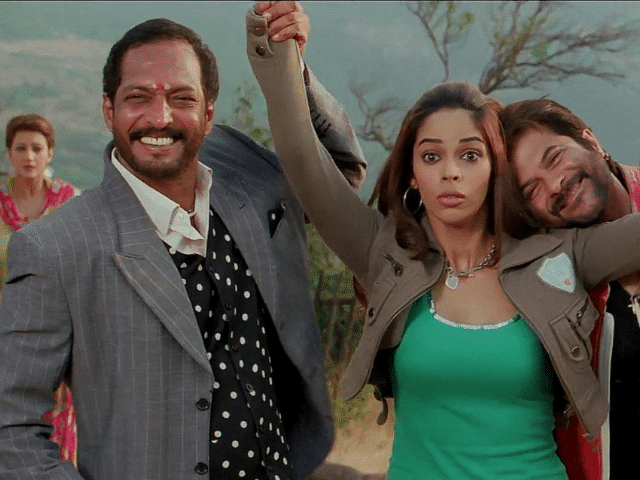
Then came Uday Shetty, the role that demonstrated Patekar’s ability to turn his trademark intensity into comedy.
In Welcome, he played a wealthy gangster determined to find a suitable husband for his sister. His criminal authority repeatedly clashes with the increasingly absurd circumstances surrounding her love life.
His partnership with Anil Kapoor’s Majnu Bhai became one of the film’s major comic attractions.
The role introduced Patekar’s distinctive screen presence to a younger mainstream audience and proved that the same force that had made him intimidating in dramas could become equally effective when used for comic timing.
A career defined by range
These five roles represent only a fraction of Patekar’s work, but together they capture the evolution of his screen persona.
Anna in Parinda established his ability to make menace feel deeply human. Pratap Narayan Tilak in Krantiveer channelled his intensity into social anger. Vishwanath in Agni Sakshi demonstrated his command of psychological darkness. Sadhu Agashe showed his ability to play morally complicated characters with restraint, while Uday Shetty revealed a comic performer capable of winning over a completely different audience.
Patekar’s career extended far beyond these five films. His Marathi work, particularly Natsamrat, further demonstrated his connection to theatre and his ability to carry emotionally demanding roles. He also directed Prahaar: The Final Attack and continued working across Hindi and Marathi cinema.
His contribution to Indian cinema was recognised with three National Film Awards and the Padma Shri in 2013.
For nearly five decades, Patekar avoided being defined by a single genre or screen image. He could be frightening, vulnerable, furious, restrained or unexpectedly funny. That versatility, combined with his unmistakable voice and intense screen presence, became the defining feature of a career that left an enduring mark on Indian cinema.