TEHRAN: Senior officials from Pakistan, Saudi Arabia and Turkiye are set to meet Iranian leaders in Tehran on Monday in a diplomatic effort to reduce regional tensions and explore ways to strengthen security cooperation.
The meeting will mark the first high-level contact between Iran and all three countries together since Saudi Arabia became more directly exposed to the wider conflict involving Iran, the United States and Israel, according to a Reuters report.
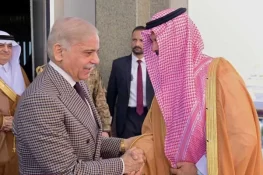
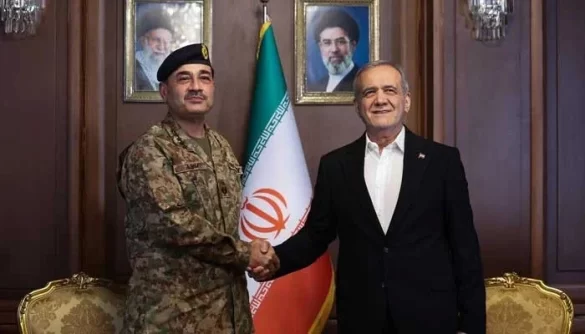
Saudi Arabia will be represented by Defence Minister Prince Khalid bin Salman, Pakistan by Chief of Defence Forces and Chief of Army Staff Field Marshal Asim Munir, and Turkiye by intelligence chief Ibrahim Kalin, officials from Saudi Arabia and Iran said.
Pakistan’s Inter-Services Public Relations (ISPR) confirmed on Monday that Field Marshal Munir was visiting Tehran on an official trip.
Regional Security and Iran Conflict on Agenda
Iranian Foreign Ministry spokesperson Esmaeil Baghaei said the discussions would cover regional security, Israel’s policies, developments in the Palestinian territories and Lebanon, and the consequences of US and Israeli military action against Iran.
Baghaei said the proposal for the meeting emerged during Field Marshal Munir’s recent visit to Tehran and described the initiative as a possible first step towards developing regional security arrangements based on the interests of countries in the region.
Ali Baqeri-Kani, deputy secretary of Iran’s Supreme National Security Council, also said the three visiting officials would hold consultations with Iranian authorities on regional security matters.
The talks come as tensions continue to rise across the region, with renewed Houthi attacks, increasingly hostile rhetoric between Washington and Tehran, and concerns about the possibility of further military action.
Makkah Defence Pact Brings Three Countries Together
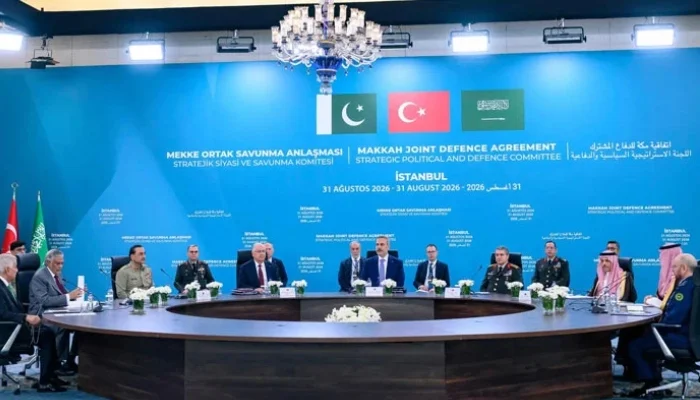
The proposed meeting follows the signing of the Makkah Joint Defence Agreement by Pakistan, Saudi Arabia and Turkiye in August.
Under the agreement, an armed attack against one member is considered an attack against all three, establishing a framework for collective defence and closer military coordination.
Senior officials from the three countries held an emergency meeting in Riyadh earlier this month, agreeing to ensure the rapid deployment of military forces and capabilities in Saudi Arabia amid growing security concerns.
Saudi Deputy Minister for Public Diplomacy Rayed Krimly said the planned visit to Tehran was part of continuing efforts by the Makkah Pact countries to de-escalate the crisis, encourage diplomatic solutions and support mediation efforts led by Pakistan and Qatar.
He also highlighted the role of the three countries in promoting regional security and stability.
Asim Munir Visits Tehran as Pakistan, Saudi Arabia and Turkiye Prepare for Regional Talks
Pakistan and Qatar Pursue Diplomatic Efforts
The Tehran meeting follows separate diplomatic contacts involving Qatar, which has played a mediating role between Iran and the United States.
Qatari mediators met Iranian officials in Tehran on Sunday as part of efforts to reduce regional tensions, Reuters reported.
A senior Iranian official said Pakistan had initiated the proposed four-country meeting during Field Marshal Munir’s visit to Tehran, where he met Iranian President Masoud Pezeshkian and other senior officials.
According to Iranian media reports, Tehran told the Pakistani military chief that negotiations with Washington would not resume until Iran’s demands were met.
Earlier mediation efforts involving Pakistan and Qatar helped secure an interim peace agreement in June, but the arrangement subsequently unravelled as fighting between Iran and the United States resumed.
Ali Bagheri, Deputy Secretary of the Supreme National Security Council, announced that senior officials from Saudi Arabia, Pakistan, and Turkey will travel to Tehran as part of efforts to implement the idea of endogenous security in West Asia. https://t.co/XU0ByEdsJv
— IRNA News Agency ☫ (@IrnaEnglish) October 26, 2026
Rising Military Tensions Raise Regional Concerns
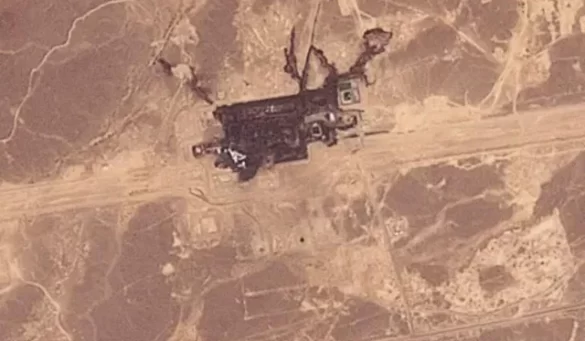
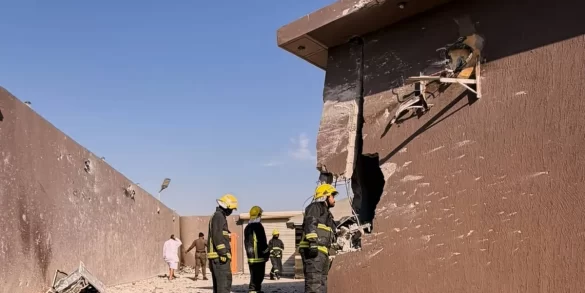
Saudi Arabia intercepted another wave of missiles and drones on Sunday as fighting involving Yemen’s Houthi movement continued.
The attacks have added to regional instability and increased pressure on Saudi Arabia, a US ally, amid the broader confrontation involving Iran.
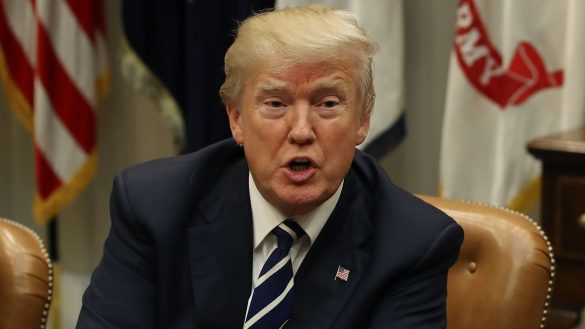
Tensions between Washington and Tehran have also intensified. US President Donald Trump said on Friday that Washington could launch another military operation against Iran, while Iranian leaders warned that any renewed American campaign would trigger a stronger response.
Reuters also reported that Iranian security officials had drawn up plans to target undersea cables in the Gulf if the United States and Israel launched further attacks. A US intelligence memo reportedly warned that Iranian plots against American personnel had reached advanced stages.
The developments have heightened concerns about the potential expansion of the conflict and its consequences for regional security and global economic interests.
Defence Pact Ratification Process Continues
The Makkah agreement requires its signatories to use all necessary means to address threats to one another’s territorial integrity, sovereignty and internationally recognised borders, according to a text reviewed by Reuters.
Pakistan has approved the agreement, while the ratification process in Turkiye’s parliament began last week and remains underway.
The planned talks in Tehran could provide an important diplomatic channel between Iran and the three countries as they seek to address regional security concerns. However, the outcome of the discussions and the possibility of further negotiations remain uncertain.