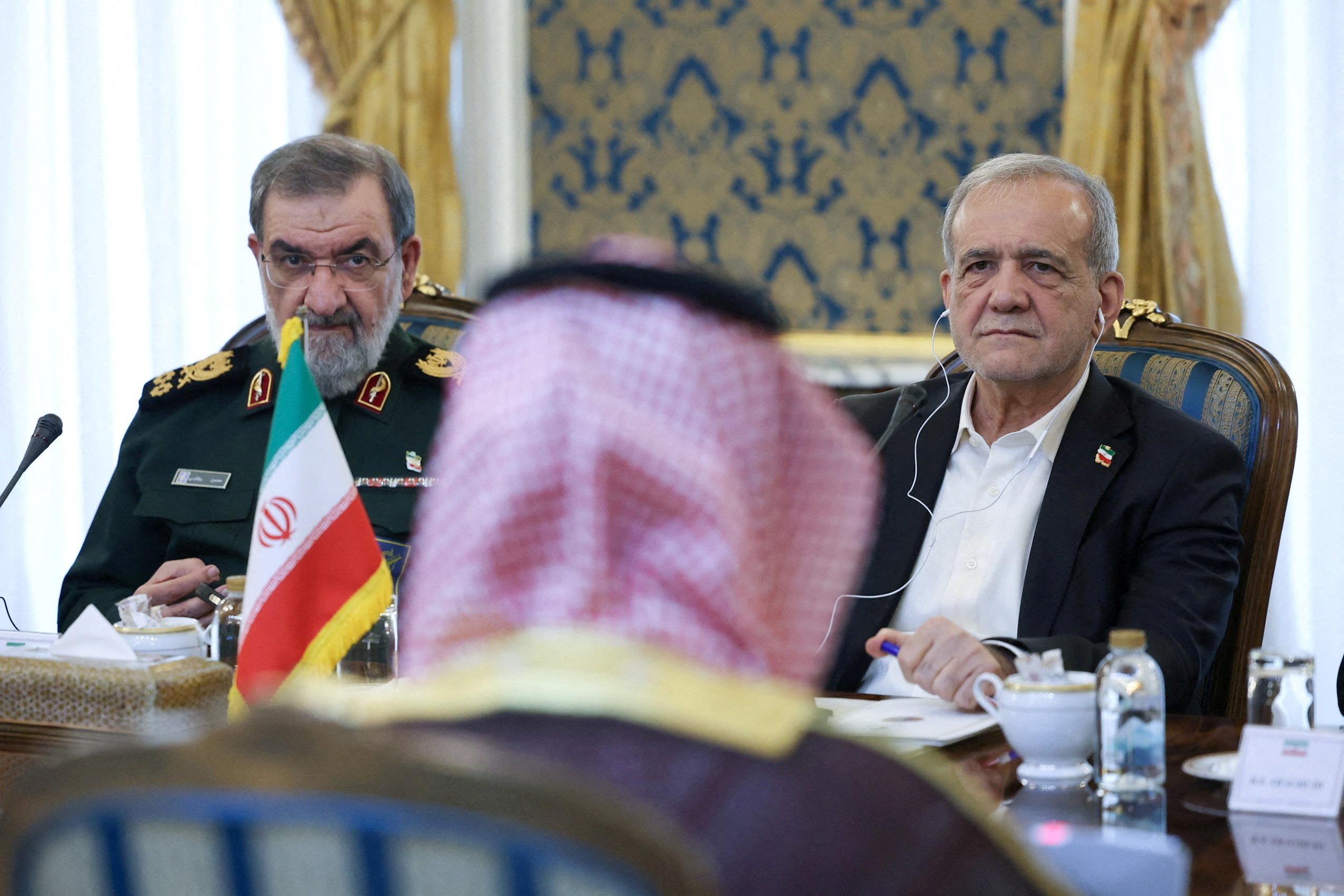
Iranian negotiators were in Doha on Sunday for a third consecutive day of talks with Qatari mediators aimed at reaching an agreement to end the United States-Israeli war on Iran, an official briefed on the discussions told Reuters.
The negotiations are taking place amid concerns that the conflict could escalate again after the November 3 US midterm elections. President Donald Trump has said Washington would not launch new attacks on Iran before the vote and described discussions with Tehran as productive, although he has not ruled out further military action afterward.
Iran has repeatedly warned that any renewed attacks would prompt retaliation against US and Israeli targets in neighbouring countries. The eight-month-old conflict has disrupted global oil supplies and intensified instability across the Middle East.
Doha Negotiations
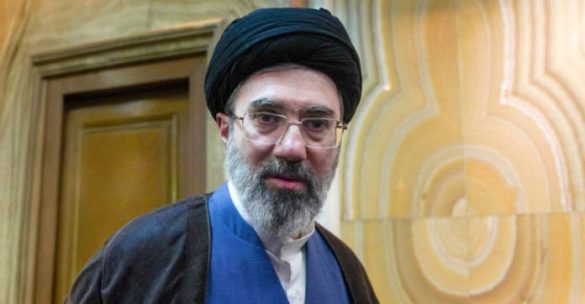
Iran’s Supreme Leader Ayatollah Mojtaba Khamenei issued a statement on Saturday directing the armed forces to remain prepared to respond to potential attacks. The Iranian military subsequently announced steps to strengthen its readiness.
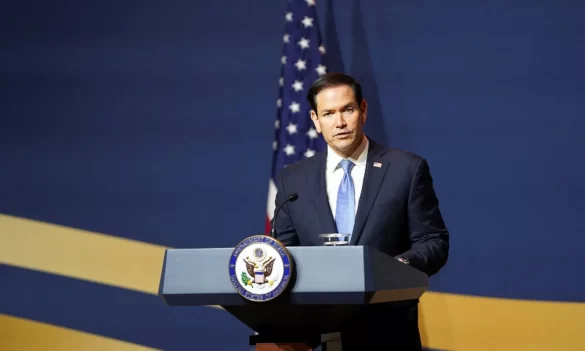
US Secretary of State Marco Rubio said on Saturday that Trump had not decided whether to launch further strikes against Iran but preferred a diplomatic resolution.
According to an official briefed on the talks, Qatari mediators travelled to Tehran on Friday to meet Iranian officials before moving the discussions to Doha on Saturday. The negotiations were being coordinated through regular contacts with Washington.
The diplomatic effort comes as both sides face pressure to resolve outstanding disputes over security arrangements and regional stability.
Trump Issues Warning
Trump said on Saturday that the United States could strike Iran’s remaining suspected nuclear facilities in just 10 minutes, signalling that further military action remained an option despite the ongoing negotiations.
Speaking to reporters at his Mar-a-Lago estate in Florida, Trump claimed that US military operations had severely weakened Iran’s armed forces and nuclear infrastructure, leaving only a small number of sites to be targeted.
“We still have to take care of, I would say, one or two sites, but we can do that in 10 minutes. So, we have that plan,” Trump said.
He also referred to Pickaxe Mountain, a suspected Iranian nuclear facility, as a potential target.
Asked whether Washington had set a deadline for the Qatari-mediated negotiations, Trump said the United States was not rushing to reach an agreement. He claimed American operations had destroyed much of Iran’s navy, air force, air defences, military equipment and nuclear infrastructure.
Trump declined to say whether military operations could resume as early as this week.
“Why would you ask such a stupid question?” he said when asked about the possibility of renewed strikes, adding that he could not provide an answer.
He reiterated Washington’s opposition to Iran acquiring nuclear weapons.
“Iran will never have a nuclear weapon. They want to make a deal; we’ll find out about that,” Trump said.
Although he described the negotiations as progressing, he questioned Tehran’s reliability, accusing Iran of agreeing to deals and subsequently backing away from them.
🇺🇸 President Donald Trump said on Saturday that the United States has knocked out much of Iran’s military but still has to “take care of” one or two targets, as Tehran warned of reprisals if attacked ➡️ https://t.co/gl06h3LgJQ https://t.co/dgSxdclo3H
— AFP News Agency (@AFP) November 1, 2026
Iran Targets UK Forces
Iran’s Foreign Ministry announced on Sunday that Tehran had designated Britain’s Royal Navy and Royal Air Force as terrorist organisations and the country’s foreign intelligence agency, MI6, as a hostile group.
According to a statement carried by Iran’s state-run IRNA news agency, the decision was a response to what Tehran described as London’s hostile actions, particularly the United Kingdom’s designation of Iran’s Islamic Revolutionary Guard Corps as a terrorist organisation.
The ministry said the move followed a resolution by Iran’s Supreme National Security Council and Britain’s designation of the IRGC under the State Threats Act 2026 on July 13.
Tehran also accused the United Kingdom of supporting the US-Israeli war by allowing access to military and logistical bases and facilities under British jurisdiction.
The announcement marked another escalation in diplomatic tensions between Iran and the United Kingdom.
Iran’s Supreme Leader Orders Military Response Without Geographic Limits Amid Rising Tensions
Tehran Signals Readiness
Brigadier-General Yadollah Javani, the Islamic Revolutionary Guard Corps’ deputy for political affairs, said Iran’s military was prepared for a range of possible scenarios, according to Al Jazeera.
Citing Iran’s Fars News Agency, Al Jazeera reported that Javani said Iranian forces were operating on the assumption that the United States or Israel could launch an attack at any time.
He said Iran would not be caught off guard and would respond accordingly. Javani also claimed that the country’s military capabilities enabled it to conduct defensive, pre-emptive and offensive operations.
He warned that Iran could inflict heavy damage on US warships and said areas entered by opposing forces, whether through air assaults or across land borders, would become a “killing ground”.
Separately, Iranian army spokesperson Brigadier-General Mohammad Akraminia warned that any renewed US aggression would trigger an immediate and decisive response on a larger scale than before, according to Press TV.
He also warned that a new conflict would not necessarily remain confined to West Asia.
Air Raids Hit Yemen
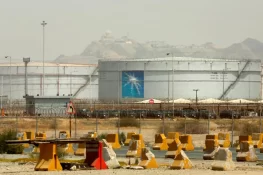
Meanwhile, at least three civilians were wounded in two air raids targeting an oil facility in Yemen’s Hodeidah governorate, Al Jazeera reported, citing Al Masirah TV.
The report said the Saudi-led coalition fighting Yemen’s Houthi movement had carried out two raids on an oil facility in Bajil district.
The reported strikes added to regional instability as the wider conflict continued to affect multiple countries across the Middle East.
Regional Tensions Persist
Tensions have remained high since the United States and Israel launched attacks against Iran on February 28, prompting Iranian retaliation across the region.
Despite diplomatic efforts and a memorandum signed by Washington and Tehran in June, disagreements over security arrangements and navigation through the Strait of Hormuz have continued.
The latest talks in Doha represent another attempt to secure a diplomatic settlement, but Trump’s warning of further strikes and Tehran’s military threats underscore the risk of renewed escalation if negotiations fail.