Introduction
Pakistan has reduced petrol and diesel prices for the first half of December, offering limited relief to households and businesses facing persistent inflation. The Petroleum Division announced the new rates after it reviewed a fresh summary from the Oil and Gas Regulatory Authority (OGRA), while earlier reports had indicated that Pakistan considers cutting fuel prices by up to PKR 6 per litre. The revised prices will remain in effect from 1 December 2025.
This routine review takes place every two weeks and reflects global oil trends, exchange rate movements and domestic tax policies.
Petrol Price Falls by Two Rupees Per Litre
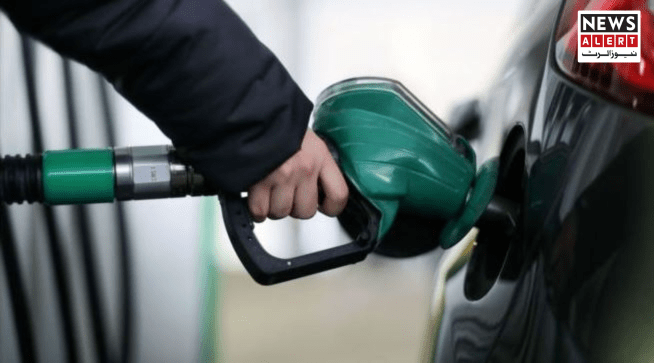
The government cut the price of petrol by Rs2 per litre, bringing it down to Rs263.45 from Rs265.45. Petrol powers millions of private vehicles across the country, so even small changes affect daily travel expenses. Many commuters in Pakistan’s major cities rely on petrol, especially where public transport options remain limited.
Roadside fuel stations expect a rise in traffic over the next few days, as motorists often wait for new price cycles before filling their tanks. Transporters also welcome the cut, though they say it only eases a fraction of their operating costs.
Diesel Price Drops as Freight Sector Seeks More Relief
High-speed diesel, which plays a crucial role in freight and agriculture, now costs Rs279.65 per litre. The new rate is Rs4.79 lower than the previous price of Rs284.44.
Truckers, farmers and bus operators depend heavily on diesel. Their fuel bills shape the movement cost of goods across the country. When diesel becomes cheaper, supply-chain expenses usually fall. That shift can slow inflation, although the change rarely appears overnight.
Transport groups say the reduction helps them plan their trips more efficiently, but they argue that spare parts and vehicle maintenance still consume a large share of their budgets.
Why the Government Adjusted Prices
Officials reviewed the latest international oil prices before finalising the new rates. Brent crude stayed relatively stable in recent weeks, and several forecasts pointed to weaker global demand. As a result, import costs fell slightly. The rupee also held firm against the dollar, which helped soften domestic price pressure.
Pakistan’s fortnightly formula considers several factors:
-
Global crude oil benchmarks
-
Rupee–dollar exchange rate
-
Petroleum levy and sales tax
-
Local freight and refining charges
The petroleum levy continues to influence final prices. It has remained one of the government’s key revenue tools throughout 2025. In many cases, the levy ranges between Rs50 and Rs60 per litre, depending on the product.
Inflation and the Broader Economic Climate
The new price cuts arrive during a difficult economic phase. Pakistan has experienced inflation between 18% and 22% for much of the year. Food costs, power bills and transport charges have increased sharply. Economic growth remains slow, hovering around 2%, and the government continues to negotiate fiscal reforms with the International Monetary Fund (IMF).
Consumers say the reductions offer some comfort, but many feel the relief remains too small compared to earlier fuel hikes. Several households report that their monthly budgets still face strain from high utility bills and rising grocery prices.
What Comes Next
Future fuel prices will depend on global market trends, the performance of the rupee and fiscal decisions in Islamabad. Analysts believe that stable crude prices may lead to minor adjustments in the coming months. However, winter demand in international markets could lift prices again, especially if major economies face supply challenges.
For now, the government says it aims to provide relief whenever global conditions allow it. Economists note that consistent stability in the exchange rate and effective revenue management will play a key role in sustaining any future price cuts.