Tragedy Near Nipa Chowrangi
A devastating incident in Karachi has renewed public anger over the city’s neglected sewerage system. Three-year-old Ibrahim slipped into an uncovered manhole near Nipa Chowrangi in Gulshan-e-Iqbal. Rescue teams searched through the night and found his body almost 14 hours later in a drainage channel roughly one kilometre away.
This incident adds to a troubling pattern. Government data shows that 24 people, including five children, have already died this year after falling into open manholes or storm drains across Karachi.
A Father’s Grief Turns Into a Mission
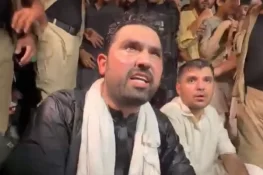
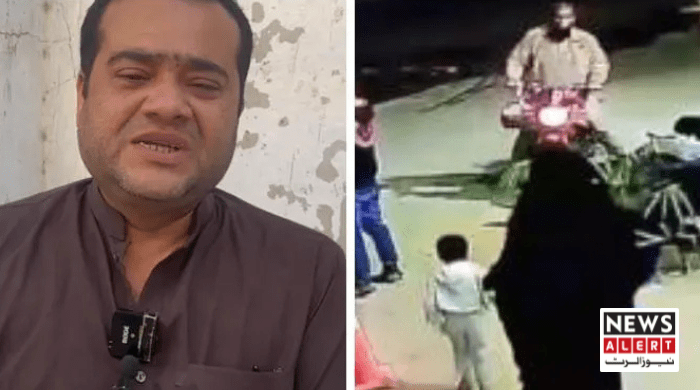
Ibrahim’s father spoke to international media while struggling to hold back tears. He said the authorities took no meaningful action after the tragedy.
My child is gone, and no one has done anything, he said. His voice broke as he explained why he had lost trust in the government’s ability to secure dangerous spots in the city.
He announced a personal campaign to install covers on open manholes. He said he wanted to protect other children from the type of accident that took his son’s life. Instead of waiting for the municipality to act, he decided to start the work himself.
He also appealed to the public. If residents find an open manhole near their homes, he urged them to inform him so he can arrange a cover. His appeal carried both grief and resolve, showing a heartbroken father who wants to prevent further tragedy.
Citywide Effort to Secure High-Risk Areas
The father plans to focus on areas in front of major departmental stores because large crowds gather there. These locations often contain open manholes due to construction delays or negligence. He believes quick action can save lives, especially in places where families walk with young children.
He hopes that business owners, volunteers and neighbours will cooperate. Although he wants community support, he said he will move forward with or without official help.
Karachi’s Longstanding Infrastructure Crisis
Karachi, a city of more than 20 million people, faces chronic infrastructure failures. Open manholes appear across neighbourhoods after roadworks, heavy rain or theft of metal covers. The municipal administration often blames limited budgets and repeated vandalism. However, many residents believe weak oversight and slow response times contribute heavily to the problem.
The risk grows during the monsoon season. Floodwater can hide open drains, making streets extremely dangerous for pedestrians, motorcyclists and children. Rescue teams receive dozens of emergency calls each year during heavy rains.
Urban planners also warn that Karachi’s drainage network has not kept pace with rapid population growth. They argue that maintenance suffers because several overlapping government bodies share responsibility, and coordination remains poor.
Growing Public Anger and Calls for Accountability
Ibrahim’s death triggered widespread outrage. Civil society groups demanded a thorough investigation into why the manhole near Nipa Chowrangi remained open. They also questioned the delay in locating the child’s body.
Residents say they regularly report open manholes, but municipal teams often respond slowly. Many feel unheard despite repeated complaints. Social media users shared photos of uncovered manholes in their neighbourhoods, urging officials to take urgent action before another life is lost.
Thousands of people expressed sympathy for the family and criticised the authorities for failing to provide basic public safety. Some users demanded criminal charges for negligence, while others called for independent monitoring of drainage infrastructure.
A Symbol of a Larger Urban Failure
For many Karachi residents, Ibrahim’s death represents more than a single tragedy. It highlights deep structural issues in governance and public safety. People believe that a functioning city should not expose its citizens — especially children — to life-threatening hazards on ordinary streets.
Despite immense grief, Ibrahim’s father has chosen a path of action. His resolve reflects a broader sentiment among citizens who feel compelled to protect their communities when institutions fall short.
His efforts may not fix Karachi’s infrastructure crisis, but they have already sparked an important public conversation: when will the city finally prioritise safety, and how many more families must endure such loss before meaningful change begins?