The Punjab government has launched an initiative to teach artificial intelligence (AI) and robotics in public schools. As a result, students will gain skills that prepare them for a technology-driven future and strengthen Pakistan’s digital economy.
Hands-On Learning in Modern Labs
In Lahore’s public schools, students now attend labs that go beyond textbooks. For example, they can build and program robots while learning AI concepts practically. These labs also provide hands-on experience, helping students understand technology in real-world contexts.
The Punjab Education Department reports that the pilot project in Lahore produced promising results. Consequently, officials plan to establish AI and robotics labs across the province. This means thousands of students will gain technical skills and practical knowledge through this program.
STEM Education for Economic Growth
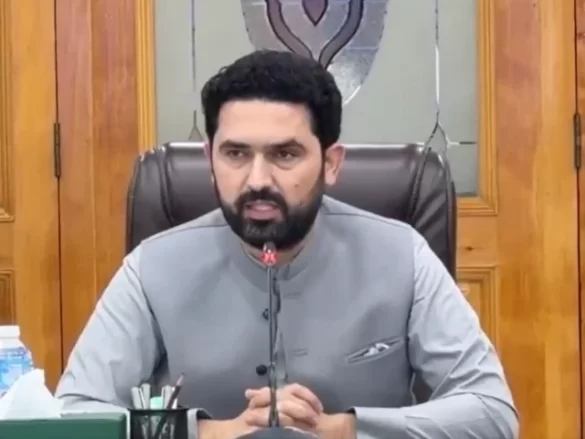
Maryam Fatima, the master trainer at a STEM lab, emphasized the importance of teaching skills relevant to the job market. We aim to equip students with skills that benefit the economy, she said. Furthermore, she explained that AI and robotics prepare students for careers that drive innovation.
Globally, STEM (Science, Technology, Engineering, and Mathematics) education drives economic growth. By introducing AI and robotics in schools, Punjab bridges the gap between traditional education and modern technology demands. In addition, this initiative encourages problem-solving and creativity from an early age.
Preparing Students for a Digital Workforce
Punjab’s initiative aligns with Pakistan’s national goals to foster technology and innovation. Globally, AI and robotics skills are in high demand. For instance, the World Economic Forum predicts that automation may displace 85 million jobs by 2025 but also create 97 million new roles focused on technology, data analysis, and AI expertise.
By teaching these skills early, Punjab prepares students for future jobs and entrepreneurship. Moreover, hands-on learning enhances creativity, critical thinking, and problem-solving abilities, which are essential in today’s competitive economy.
Expansion Plans and Long-Term Impact
Following the pilot, Punjab will expand AI and robotics labs to urban and rural schools. This effort ensures equal access to modern education across the province.
Experts believe this initiative can transform public education in Pakistan. Specifically, early exposure to technology reduces the digital divide and sparks interest in science and technology careers. Additionally, it aligns with global trends as countries invest heavily in AI education to maintain economic competitiveness.
In conclusion, as technology reshapes the global workforce, Punjab’s program prepares students to seize opportunities and meet challenges in a rapidly changing digital world.