Soldier’s Suicide Sparks Urgent Debate
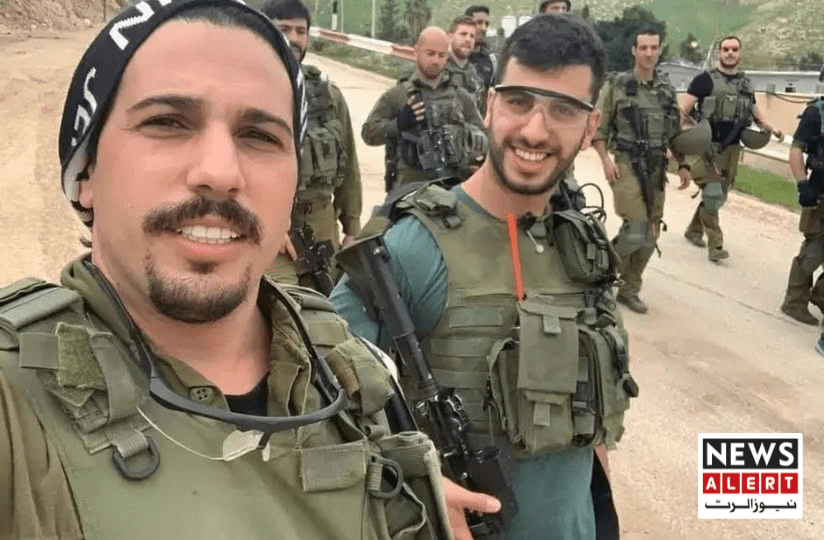
A tragic event in Israel has renewed concerns over soldiers’ mental health. Rafael Barzani, who took part in multiple military operations, ended his own life. Reports suggest he faced severe psychological strain.
Moreover, Barzani’s death follows a worrying trend. Experts warn that continuous exposure to combat and life-threatening situations increases the risk of mental disorders among Israeli troops. Consequently, the case has sparked national debate about the long-term impact of warfare on soldiers.
PTSD and Its Impact on Soldiers
Barzani reportedly suffered from post-traumatic stress disorder (PTSD), a mental condition caused by extreme stress and traumatic experiences. Symptoms often include nightmares, flashbacks, anxiety, and emotional numbness. As a result, soldiers struggle to function in daily life or perform military duties.
Dr. Yael Cohen, a military psychologist, explained, PTSD can persist for years without proper care. It can lead to depression, social withdrawal, and, in some cases, suicidal thoughts.
Although the government has increased mental health services, many soldiers still lack timely support. Therefore, experts stress that immediate and comprehensive care is essential to prevent further tragedies.
Rising Mental Health Issues Among Troops
Barzani’s death reflects a broader mental health crisis in the military. Psychologists report a growing number of Israeli soldiers in Gaza showing signs of severe psychological distress and suicidal tendencies.
In addition, the prolonged conflict has exposed soldiers to continuous stress and traumatic events. Studies from other conflict zones show that 10–20% of active-duty soldiers may develop PTSD. Israeli experts fear that their forces face similar rates due to the intensity of operations in Gaza.
Government Response and Expert Warnings
Israeli authorities have introduced measures to address mental health issues. For instance, they have increased access to counseling, crisis support programs, and training for commanders to spot early signs of psychological strain.
However, experts argue that these efforts are not enough. Dr. Cohen stressed, We need proactive monitoring, early diagnosis, and ongoing psychological support. Reactive measures alone cannot prevent more deaths.
Moreover, urban warfare, civilian casualties, and continuous operations intensify soldiers’ mental strain. Therefore, comprehensive strategies must address these pressures to safeguard both soldiers’ health and military effectiveness.
The Human Cost of War
Barzani’s death highlights the unseen cost of prolonged conflict. Soldiers face not only physical dangers but also deep psychological wounds. These issues affect their families, communities, and the broader society.
Furthermore, experts emphasize that addressing mental health is not just about compassion—it is crucial for operational efficiency. Soldiers must receive adequate support to perform their duties and reduce the risk of further casualties.
Conclusion
Rafael Barzani’s suicide is a stark reminder of the urgent need for comprehensive mental health strategies for soldiers. As the Gaza conflict continues, Israeli authorities face mounting pressure to ensure that the country’s military personnel receive the support required to withstand the immense psychological pressures of modern warfare.