Military Court Hands Down 14-Year Sentence
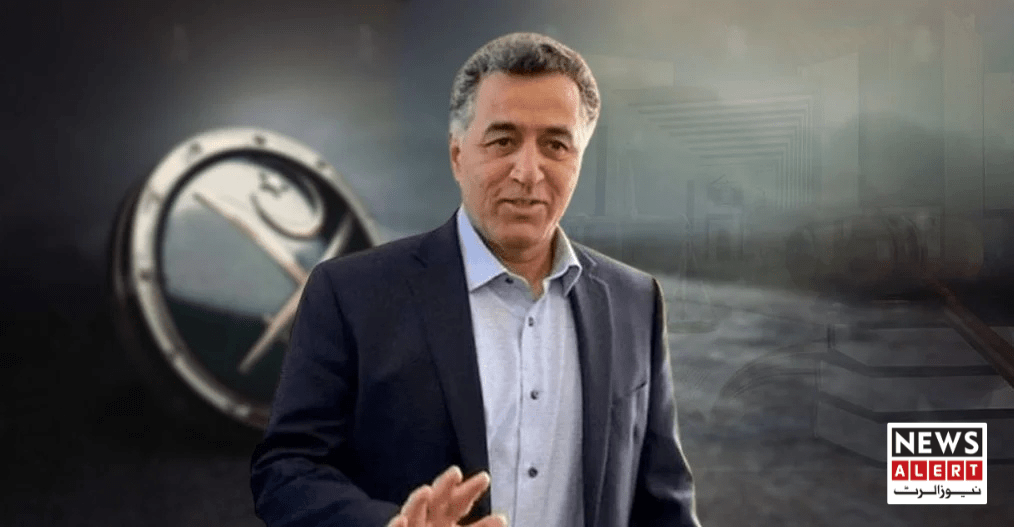
A military court in Rawalpindi has sentenced former Director General of Pakistan’s Inter-Services Intelligence (ISI), Lieutenant General (Retd) Faiz Hameed, to 14 years of rigorous imprisonment.
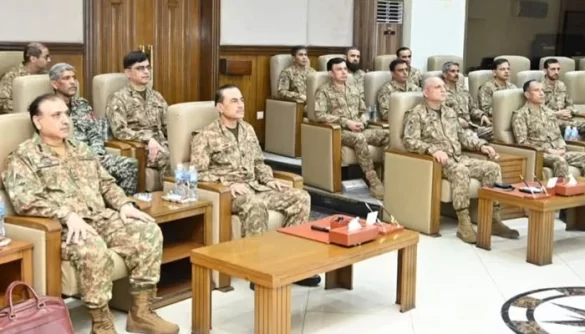
According to the Inter-Services Public Relations (ISPR), the decision followed a detailed trial held under the Pakistan Army Act and military rules.
The ISPR stated that the Field General Court Martial conducted the proceedings after reviewing evidence, testimonies and all relevant records. The judgment was issued once the court found the accused guilty under military law.
Although the ISPR did not disclose the specific charges, Pakistani media has previously reported that several senior officers faced inquiries in recent months for alleged misuse of authority and violation of military codes. The army has not publicly confirmed these details.
ISPR: Trial Was Transparent and in Line with Due Process
The military’s statement stressed that Faiz Hameed received full legal rights throughout the proceedings.
ISPR said the trial was carried out with complete fairness and transparency under established military procedures.
The spokesman added that the decision highlights the army’s long-standing commitment to institutional accountability, noting that no individual is above the law or immune from internal discipline.
Over the past few months, Pakistan’s army has announced actions against multiple officers and soldiers for alleged breaches of conduct. The military argues that such steps are vital to maintaining its reputation, professionalism, and internal discipline.
Analysts note that the institution has been trying to project stricter internal scrutiny amid political turbulence and public debate over the army’s role in governance.
A Controversial Figure in Pakistan’s Recent History
Faiz Hameed has been one of the most influential and controversial figures in Pakistan’s civil-military landscape over the past decade.
He served as ISI chief from 2019 to 2021 and later as Commander of the Peshawar Corps.
His name frequently surfaced in political commentary, particularly during moments of heightened tension between the government and opposition.
Political analysts say his career became part of wider public debates on the military’s alleged influence over national politics. However, the army has repeatedly denied any such involvement.
His conviction therefore marks a significant development, given his prominence and visibility in Pakistan’s power structure.
Legal Options Still Available
Despite the verdict, Faiz Hameed retains the right to appeal.
Legal experts say he can challenge the ruling before higher military appellate forums.
These include the military’s internal appeals tribunal, and ultimately, the civilian superior courts, which can review military court decisions on procedural grounds.
Any appeal process may take several months. It could also attract considerable media attention, given the political sensitivities surrounding his name.
Broader Context: Military Discipline Under the Spotlight
Pakistan’s military is one of the country’s most influential institutions. It has ruled for nearly half of Pakistan’s 77-year history and still holds significant sway over security and foreign policy.
In recent years, the army leadership has repeatedly emphasized that internal discipline is essential to maintaining public trust.
The ISPR has framed these accountability steps as part of an internal effort to strengthen transparency.
Observers note that the latest decision will likely deepen debates about the army’s internal power dynamics, especially during a period of economic challenges and political fragmentation across Pakistan.
ISPR Reaffirms Equal Application of Law
Concluding its statement, the ISPR said the institution will continue strict enforcement of military regulations.
It emphasized that any individual found violating laws and rules will face action without discrimination.
The sentencing of a former ISI chief — one of the most powerful positions in Pakistan’s security establishment — is likely to be seen as a rare and significant moment in Pakistan’s ongoing conversations about accountability and civil-military relations.