Islamabad: The government plans to raise the petroleum levy to Rs85 per litre to generate an additional Rs540 billion. Along with dividends from state-owned companies (SOEs) and savings from imported LNG, this measure aims to settle Rs1.7 trillion of the gas sector’s circular debt.
According to sources, Finance Minister Muhammad Aurangzeb has discussed the plan in detail. It involves imposing an extra Rs5 per litre on petrol and high-speed diesel, which households will bear, pending cabinet approval. The current petroleum levy stands at Rs75 per litre for diesel and Rs79.62 for petrol, which would rise to Rs80 and Rs85 respectively.
Nature of the Debt and Funding Sources
Petroleum Minister Ali Pervaiz Malik explained that, unlike the power sector, the gas sector does not have guaranteed revenue streams to settle circular debt. Therefore, the plan relies on company dividends, an increased petroleum levy, and savings from LNG imports.
As of June 2025, the total gas sector circular debt is estimated at Rs3.3 trillion, including Rs1.5 trillion in late payment surcharges.
Key Components of the Plan
The government plans to retire the debt using the following sources:
- Company Dividends: Oil & Gas Development Company Limited (OGDCL) contributing about Rs250 billion, Pakistan Petroleum Limited Rs230 billion, and Government Holding Private Limited nearly Rs200 billion.
- Petroleum Levy Increase: Expected to generate Rs540 billion between 2027 and 2032.
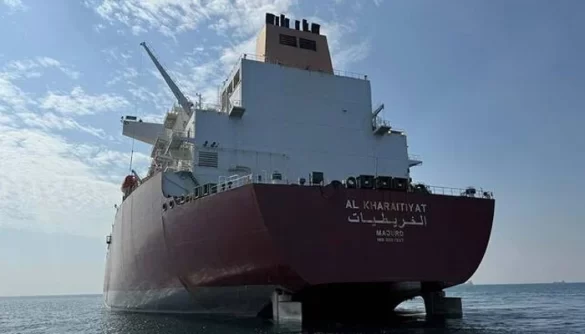
- LNG Savings: Approximately Rs415 billion, to be used for debt repayment rather than price reduction.
- Recoveries: Around Rs75 billion.
The plan is structured on the assumption that gas tariffs remain aligned with actual costs to prevent further debt accumulation.
Pakistan Cuts Fuel Prices as Government Moves to Ease Cost Pressures
IMF Review and Support
The International Monetary Fund (IMF) has emphasized maintaining gas tariffs close to actual costs, which helped reduce the principal gas debt by Rs86 billion last year. However, late payment surcharges caused the overall debt to rise by Rs227 billion, reaching Rs3.2 trillion by June 2025.
IMF has recommended timely semi-annual gas tariff adjustments and maintaining tariff progressivity to protect vulnerable consumers. It also noted that high-paying industrial consumers shifting to the national electricity grid has placed a greater burden on high-end residential consumers.
The government has assured the IMF that new gas prices will be notified by mid-February, ensuring the tariff structure remains progressive, protects vulnerable households, and reflects the full cost of imported RLNG diverted to the domestic sector.