Punjab’s provincial government has unveiled a major reform to unify rules and regulations across all education boards. According to officials, the decision will address long-standing inconsistencies that have created challenges for students, teachers, and certificate holders for years. Moreover, this reform is part of a broader strategy to modernise the province’s education system and align it with contemporary standards. Authorities believe it will increase clarity, fairness, and efficiency in academic administration.
Ending Fragmented Systems with Uniform Rules
The Higher Education Department explained that the government intends to eliminate differences in rules among various education boards. Currently, each board follows its own procedures, legal interpretations, and administrative practices. Consequently, students often experience confusion, especially when transferring between boards or applying for higher education and jobs.
Additionally, differences in record formats, certificate rules, and verification procedures frequently cause delays. In some cases, minor technical issues prevent students from meeting crucial deadlines. Therefore, by enforcing a uniform set of rules, the government aims to ensure equal treatment for all students, irrespective of their board affiliation.
Legal Amendments to Enable Standardisation
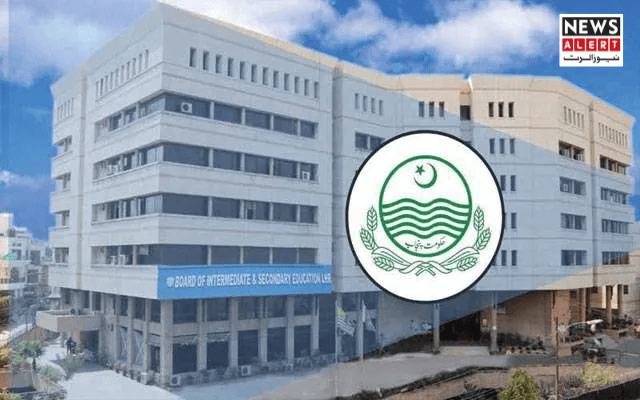
To implement this reform, authorities plan to amend the existing laws governing education boards. These amendments will allow boards to adopt common rules and regulations throughout Punjab. Once completed, the changes are expected to simplify certificate issuance and academic record management. Furthermore, a standardised system will enhance transparency and reduce administrative discretion.
Punjab has multiple boards of intermediate and secondary education, overseeing millions of students annually. Consequently, even minor improvements in coordination can have a significant impact on the education sector.
Promoting Digital Learning and Reducing Costs
Alongside regulatory reforms, the government has accelerated efforts to promote digital education. For instance, a key initiative aims to provide students with Chromebooks instead of relying solely on printed textbooks. The plan has two primary objectives: first, to make learning more accessible and interactive through technology, and second, to reduce the high costs associated with printing, updating, and distributing textbooks every academic year.
Globally, digital learning platforms have become essential. According to UNESCO, most countries now use technology to supplement classroom learning. Therefore, Punjab’s initiative aligns with worldwide trends and reflects a growing emphasis on tech-driven education.
Pilot Chromebook Project for Primary Students
The Chromebook programme will begin as a pilot project in selected primary schools. During this phase, authorities will test how digital learning affects classroom engagement and academic outcomes. Additionally, teachers will provide feedback on its effectiveness, while parents will report on usability and practical challenges.
Based on the pilot results, the government plans to expand the programme province-wide. If successful, millions of students could gain access to digital textbooks, interactive lessons, and online assessments, transforming the way they learn.
Interdepartmental Collaboration for Implementation
Both the School Education Department and the Higher Education Department have started coordinating the reforms. Such collaboration is crucial because the changes affect students from primary school through higher education. Officials also believe that combined regulatory and digital reforms will enhance education quality, improve student facilities, and potentially reduce dropout rates, especially in underserved areas.
Moving Toward a Modern Education System
Education analysts have described these reforms as an important step toward a modern, responsive education framework. While challenges like infrastructure gaps and teacher training remain, the government’s approach signals strong commitment. If implemented effectively, these measures could make Punjab’s education system more transparent, efficient, and student-focused. Consequently, students may encounter fewer bureaucratic obstacles and gain better preparation for a technology-driven future.