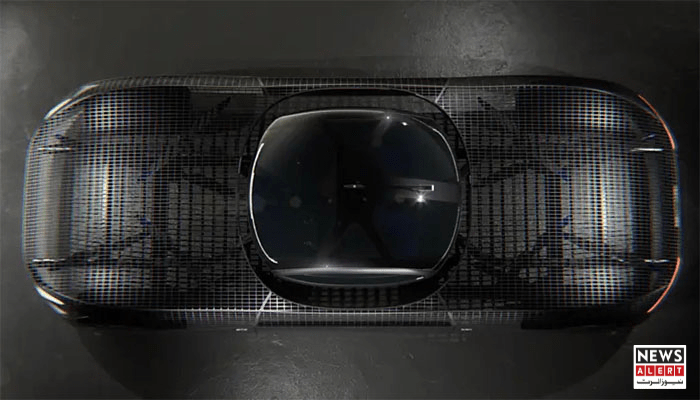
A Dream Takes Flight
For decades, flying cars existed only in science fiction films like Back to the Future. Now, however, this dream is becoming reality. American aerospace and automotive company Elif Aeronautics has officially started production of the world’s first flying car. As a result, commuters may soon bypass city traffic entirely.
The vehicle, called Elif Model A Ultra-Light, will reach consumers by early 2026. Jim Dukhovny, CEO of Elif Aeronautics, said, We have officially started production of the first flying car. This is a major step in turning science fiction into reality.
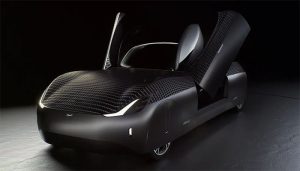
Dual-Mode Electric Vehicle
The Model A Ultra-Light operates in two modes. On one hand, it drives like a high-speed electric car at up to 200 miles per hour. On the other hand, it can fly at 110 miles per hour, combining road and aerial mobility.
Its cabin design keeps the vehicle stable in flight. Additionally, helicopter-like systems support vertical take-off and landing. This allows the car to lift off and land in confined areas, removing the need for runways.
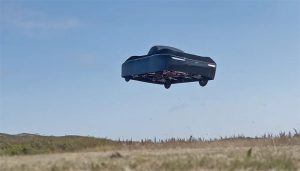
The car carries a single passenger weighing up to 90 kilograms (198 pounds). Moreover, propellers, similar to those on drones, generate lift and ensure smooth flight without traditional wings.
Advanced Technology and Safety
Elif emphasizes that the Model A Ultra-Light is fully electric, following global trends toward sustainable transport. Furthermore, its futuristic design ensures efficiency while remaining visually striking.
The cabin offers comfort and security in flight. Meanwhile, built-in flight-assist systems guide pilots safely through urban environments.
The company successfully tested its first prototype in February 2025, demonstrating its ability to take off, hover, and land with precision. Consequently, these tests mark a key milestone in bringing flying cars to the market.
Market and Accessibility
Despite its innovation, the Model A Ultra-Light targets personal use rather than mass transport. In addition, only one person can travel at a time. Its current price of $300,000 makes it accessible to affluent early adopters.
Elif describes the car as a niche product for tech enthusiasts, innovators, and urban commuters seeking alternatives to conventional vehicles. However, the company expects wider adoption as production expands and costs decrease.
Looking Ahead
The Model A Ultra-Light represents a turning point for both the automotive and aerospace industries. As cities face traffic congestion and environmental challenges, electric flying vehicles may offer sustainable, time-saving alternatives.
While commercial availability is still a year away, the start of production has already excited global audiences. Experts say innovations like Elif’s car could help create future transport networks that integrate road and air travel.
In short, what once existed only in imagination is now taking shape—a single-seat flying car that may redefine urban mobility by 2026.