Pakistan is on track to collect Rs1.468 trillion from petroleum levies during the current financial year, according to a recent report by the International Monetary Fund (IMF). The estimate underlines the government’s increasing dependence on fuel-related taxes to stabilise public finances, despite mounting pressure on consumers already struggling with high inflation.
The IMF report also signals a clear upward trajectory. If current policies continue, annual petroleum levy collections could climb to Rs2.212 trillion by the financial year 2029–30, marking a sharp rise in indirect taxation and intensifying concerns about affordability and economic fairness.
Understanding the Petroleum Levy
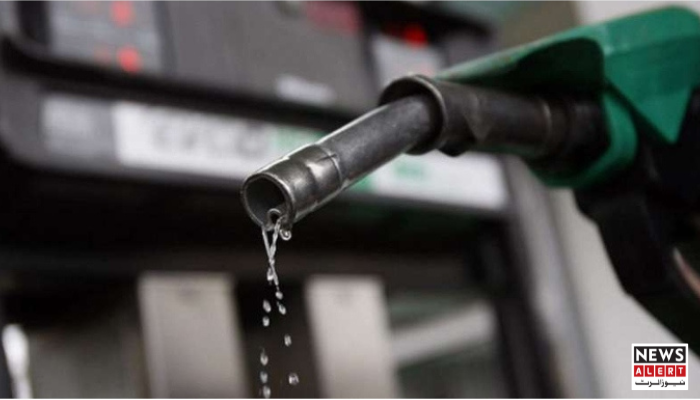
The petroleum levy acts as a fixed charge on fuel products such as petrol and diesel. The government adjusts it regularly to meet revenue needs. Unlike sales tax, which applies across sectors, this levy directly targets fuel consumption, making it one of the fastest ways for authorities to raise funds.
Also Read: Petrol Prices Likely to Rise, Diesel to See Sharp Drop in Pakistan
Over the years, successive governments have leaned heavily on the levy. Pakistan’s limited tax base and persistent fiscal deficits have reinforced this approach. Under the IMF programme, Islamabad has committed to boosting domestic revenue, and fuel levies remain central to that strategy.
Strong Collections in the Current Fiscal Year
For the ongoing fiscal year, the IMF estimates petroleum levy revenue at Rs1.468 trillion. The government has already made substantial progress toward this target.
During the first five and a half months of the fiscal year, authorities collected more than Rs650 billion through the levy. Frequent increases in fuel prices and levy rates have driven this strong performance.
However, these gains come at a cost. Consumers now pay significantly more at fuel stations, and the effects ripple across the economy.
Steep Increases Planned Ahead
IMF projections outline a steady rise in levy targets over the next several years. In the next financial year, the government plans to collect Rs1.638 trillion from petroleum levies.
The figure is expected to increase to Rs1.787 trillion in FY 2027–28. In FY 2028–29, the target climbs further to Rs1.989 trillion. By FY 2029–30, annual collections could reach Rs2.212 trillion.
These projections reveal a long-term fiscal path that relies heavily on indirect taxes rather than structural reforms, such as widening income tax coverage.
Growing Pressure on Households
Urban residents already feel the impact of rising fuel costs. Higher petrol and diesel prices have pushed up transport fares, food prices, and utility costs. Since fuel underpins nearly every sector, levy increases often trigger wider inflation.
For many families, fuel expenses now take up a larger share of monthly income. Middle- and lower-income households face the greatest strain, as they have limited room to absorb higher costs.
Small businesses also struggle. Transport operators, retailers, and service providers face higher operating expenses, which they often pass on to customers.
IMF Programme and Economic Realities
Pakistan’s IMF-backed programme demands tight fiscal control. The government must reduce deficits, manage debt repayments, and ensure consistent revenue inflows. Petroleum levies offer predictability, as fuel demand remains relatively stable even when prices rise.
Yet economists caution against overreliance on such measures. Indirect taxes affect all consumers equally and often hit poorer households harder. Without parallel efforts to reform taxation and cut inefficiencies, the burden risks becoming unsustainable.
Public Debate and Policy Challenges
Rising petroleum levies continue to spark public debate. Critics urge the government to expand the tax net, curb losses in state-owned enterprises, and prioritise targeted relief for vulnerable groups.
As IMF projections point to steadily higher fuel taxes, policymakers face a difficult balancing act. They must secure fiscal stability while addressing public hardship. How the government manages this tension will shape both economic confidence and social stability in the years ahead.