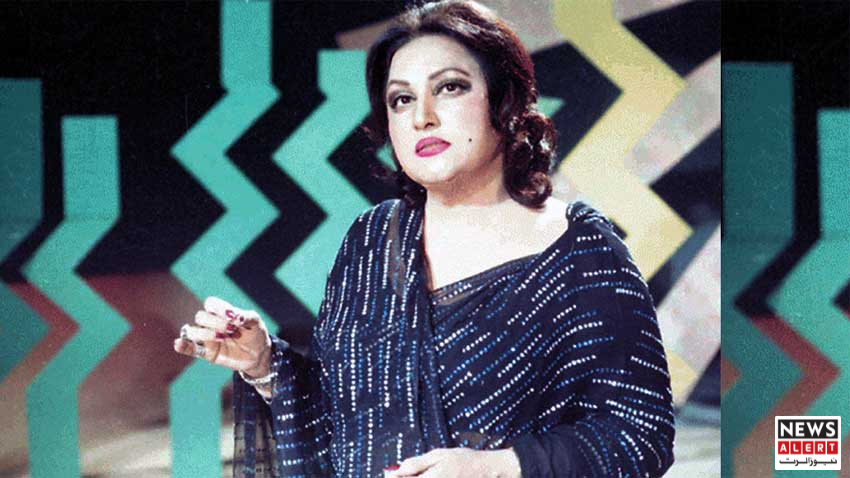
It has been 25 years since Pakistan and the subcontinent bid farewell to Noor Jehan, fondly called the Queen of Melody. Yet, her voice, songs, and artistry continue to resonate with millions worldwide. Moreover, her contributions to South Asian music remain unmatched. Even today, her absence leaves a noticeable void in the musical world.
Early Life and Rise to Stardom
Noor Jehan was born on September 21, 1926, in Kasur, then part of British India, into a musically inclined family. From a very young age, she displayed extraordinary talent. By the age of nine, she had entered the film industry. Consequently, she quickly became popular as a child star due to her mesmerizing voice.
As she matured, Noor Jehan honed her skills further. Gradually, she emerged as one of the most celebrated singers of the subcontinent. Her early start allowed her to gain decades of experience in both classical and popular music. Therefore, people remember her not only as a singer but also as a cultural icon who shaped South Asia’s musical identity.
A Career Defined by Musical Excellence
Throughout her illustrious career, Noor Jehan recorded thousands of songs for films and other projects. She sang romantic ballads, soulful ghazals, patriotic anthems, and classical ragas. In every performance, she displayed precision, emotion, and charm.
Moreover, her ghazals remain invaluable to music enthusiasts. Even decades later, radio, television, and digital platforms continue to bring her recordings to audiences. As a result, new generations discover her songs, proving her timeless appeal. Her versatility allowed her to cross genres effortlessly, making her music relevant across different eras.
Music in Times of National Significance
Noor Jehan also used her talent to inspire her nation. For instance, during the 1965 war between Pakistan and India, she performed patriotic songs that became anthems. Her music boosted morale and symbolized the resilience and unity of the Pakistani people. Even today, these songs evoke national pride. Furthermore, they highlight how music can play a crucial role in cultural and emotional solidarity.
Recognition and Legacy
Pakistan recognized Noor Jehan’s contributions with prestigious national awards, including the Presidential Award for Excellence and the Nishan-e-Imtiaz, the country’s highest civilian honor. These awards celebrated her influence on both music and society.
Her career spanned more than six decades. Consequently, she inspired countless singers and shaped the region’s musical landscape. Her style, emotive singing, and versatility remain benchmarks for aspiring artists. Thus, her legacy continues to influence both contemporary and classical music in South Asia.
Lasting Influence
Noor Jehan passed away on December 23, 2000, at the age of 74. Nevertheless, audiences continue to enjoy her songs through recordings and digital media. Both older fans and younger listeners discover her music today.
Her enduring legacy shows that great artistry transcends time. Therefore, Noor Jehan’s name, voice, and contributions continue to inspire generations. As one of South Asia’s most iconic musicians, she truly remains the Queen of Melody, whose songs, ghazals, and patriotic anthems will continue to resonate for decades.