Plane Crash Kills Libya’s Chief of Staff
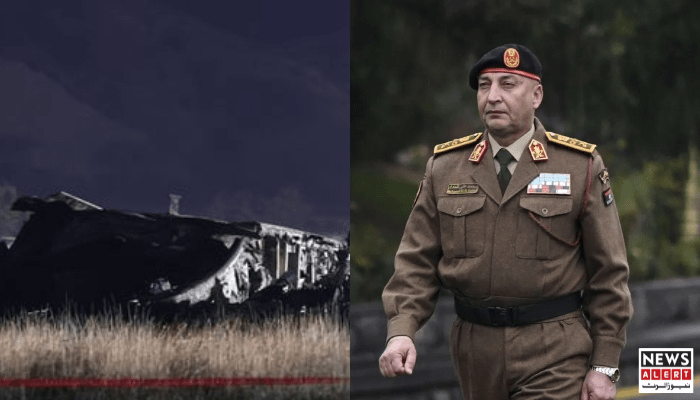
A plane crash near Ankara, Turkey, has killed Libya’s Chief of Staff, General Mohamed Ali Al-Haddad, along with four others. The aircraft left Esenboğa Airport in Ankara, heading to Libya’s capital, Tripoli, when it suddenly developed a technical problem shortly after takeoff.
Turkish authorities reported that the flight took off at 8:10 PM local time. Controllers lost contact with the plane 42 minutes later, at 8:52 PM. The pilot tried to return to Ankara for an emergency landing, but the aircraft crashed before reaching the airport.
Flight Details and Crash Circumstances
The plane carried five passengers, including Libya’s top military official. Prime Minister Abdul Hamid Dbeibah confirmed General Al-Haddad’s death and called it a major loss for the armed forces.
Earlier that day, General Al-Haddad visited Turkey to meet the Turkish Defense Minister. The talks reportedly focused on military cooperation and regional security. The crash occurred during his return flight to Libya.
Turkish Interior Minister Süleyman Soylu said the plane reported an emergency landing near Haymana town. After that, it lost all contact. Authorities immediately launched rescue operations, but no survivors were found.
Turkey’s Swift Response
Following the crash, Turkey temporarily closed the airspace near Ankara. Search and rescue teams and security agencies moved to high alert. Investigators said the plane experienced a mid-flight technical failure. Turkish aviation authorities opened a formal investigation to determine the exact cause.
Regional Implications
General Al-Haddad’s death comes at a sensitive time for Libya. Since the 2011 overthrow of Muammar Gaddafi, the country has faced political instability and ongoing factional tensions.
As a key military strategist, General Al-Haddad’s loss could affect the balance of power within Libya’s armed forces. Analysts predict a possible reshuffle in military leadership, which could influence the country’s defense policies.
The crash also raises aviation safety concerns. Small aircraft are often used for official travel, but mechanical failures remain a serious risk, especially for high-profile flights.
What Comes Next
Investigators from Turkey and Libya will work together to find the cause of the crash. They will review flight data, maintenance records, and communications with air traffic control.
In Libya, political and military leaders are expected to honor General Al-Haddad’s contributions. International observers are monitoring the situation closely, as the incident highlights Libya’s fragile governance and security infrastructure.
This tragedy underscores the dangers that air travel poses to high-ranking officials and the potential consequences for national stability.