What is Happening Tonight
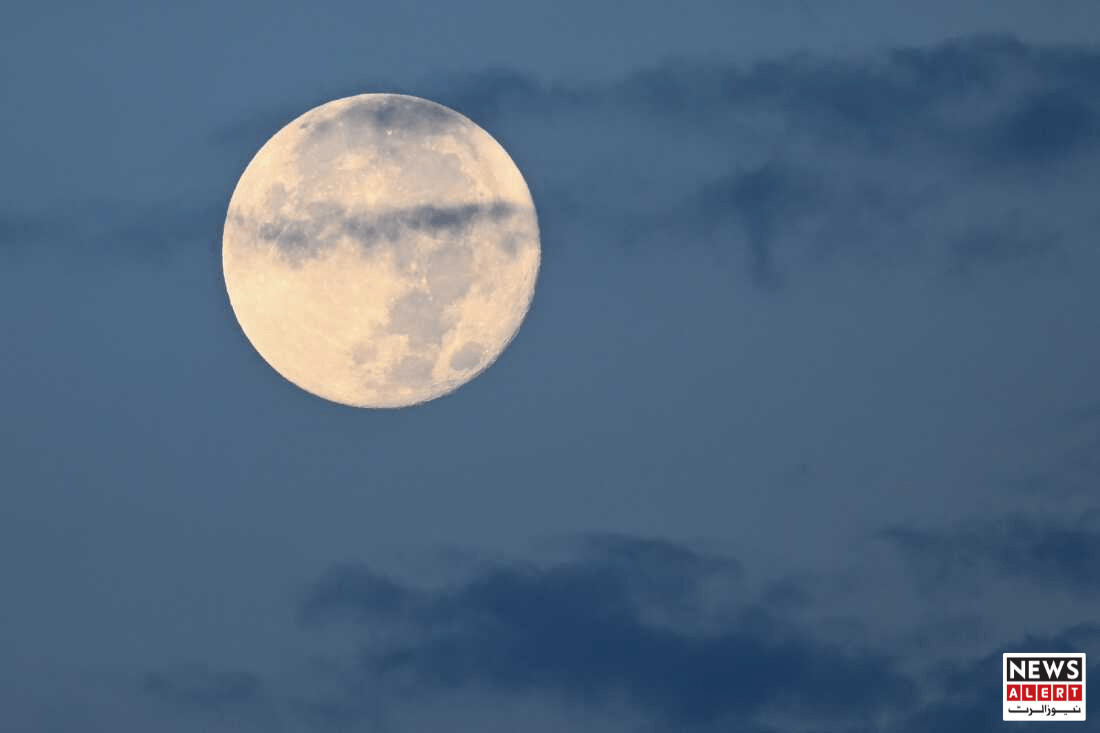
Tonight marks the first supermoon of the new year. Consequently, the full moon will appear larger and brighter than usual. Astronomers say the best time to view it is shortly after moonrise, during the early hours of the night.
In Pakistan, the supermoon will rise at 5:51 PM local time, giving stargazers and photography enthusiasts an excellent opportunity. According to the Pakistan Space and Upper Atmosphere Research Commission (SUPARCO), this moon will appear 6 to 7 percent larger than an average full moon.
Traditionally, this January supermoon is called the Wolf Moon, a name that comes from centuries-old folklore.
Why a Supermoon Appears Bigger
A supermoon occurs when a full moon aligns with the moon’s closest approach to Earth, known as perigee. As a result, the moon appears larger and brighter.
This extra brightness and size make supermoons captivating. Moreover, they draw attention from both professional astronomers and casual sky watchers. They also provide a unique chance for photography because the enlarged moon creates dramatic landscape and skyline shots.
A Celestial Finale
This supermoon is the final event in the series of supermoons that began in October 2025. Therefore, astronomy enthusiasts consider it a special occasion. Observers across Pakistan and beyond will look up at the sky to witness the spectacle.
Experts recommend viewing from areas with clear skies. Otherwise, urban light pollution may reduce visibility. Consequently, heading to a darker location gives the clearest view.
Global Context
Supermoons can be seen worldwide. However, their size and brightness vary depending on location. In recent years, supermoons have drawn large public interest. For example, many people gather at scenic spots to photograph or share the event online.
Supermoons also slightly raise ocean tides. Nevertheless, experts emphasize that these effects are mild and rarely pose any danger.
How to Make the Most of Tonight
Astronomers advise viewers to enjoy the sight with the naked eye. Additionally, photography is encouraged. Using a zoom lens or a smartphone with a telephoto attachment helps capture details of the moon’s surface and craters.
For families, the event offers an educational experience. It provides a chance to learn about lunar cycles, astronomy, and Earth-moon interactions.
As the first supermoon of 2026 rises, it promises a spectacular visual treat. Moreover, it marks a symbolic start to a year full of cosmic wonders.