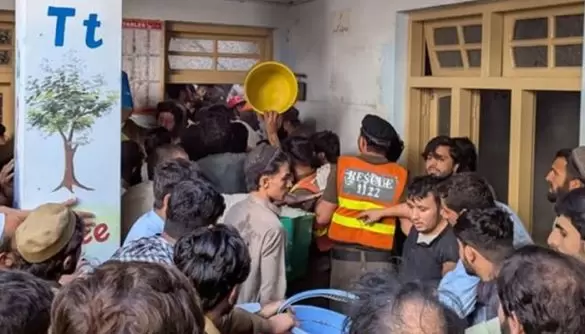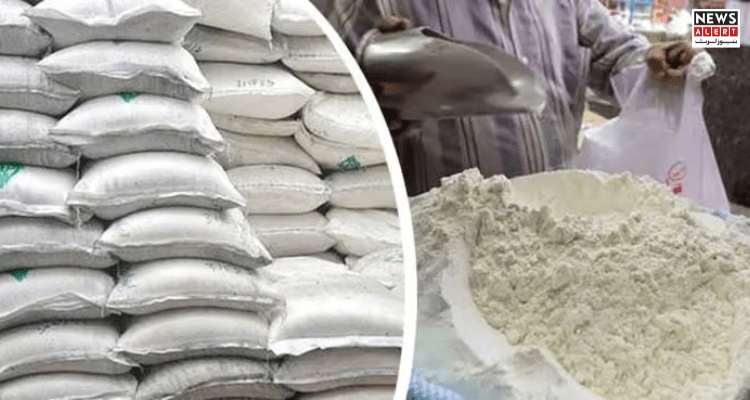
A sudden and steep rise in flour prices across Pakistan has intensified the pressure on millions of households already battling high inflation. Flour, a daily staple for most families, has become increasingly unaffordable in many cities, raising concerns about food security and the cost of living.
Over the past week alone, official data shows unusually large price jumps in almost every part of the country. As a result, household budgets are under severe strain, and many families say even arranging two basic meals a day is becoming difficult.
Also Read: Flour Prices Surge Across Pakistan, Hitting Hyderabad and Peshawar Hardest
Sharp Weekly Increase Recorded Nationwide
According to the latest figures released by the Pakistan Bureau of Statistics (PBS), the price of a 20-kilogram bag of flour rose by between Rs40 and Rs590 in just one week. This increase was recorded across both large urban centres and smaller cities, highlighting the nationwide nature of the crisis.
The data indicates that flour prices are no longer rising gradually. Instead, they are increasing sharply and unevenly, with some cities experiencing far steeper hikes than others. Analysts say such volatility reflects deeper structural problems in wheat supply and market regulation.
Islamabad Becomes the Most Expensive City
The federal capital, Islamabad, has emerged as the most expensive city in the country for flour. The price of a 20kg bag has climbed to Rs2,893.33, the highest recorded nationwide.
However, the biggest weekly increase was observed in Sargodha, where the same bag became Rs590 more expensive within days. Other cities also saw significant jumps. In Multan, prices rose by Rs226.66, while Khuzdar recorded an increase of Rs200. Bahawalpur saw prices climb by Rs163.33, and in Quetta, flour became Rs140 more expensive.
These figures suggest that the price shock is not limited to one province or region. Instead, it is affecting both major consumption hubs and smaller markets.
Major Cities Also Feel the Impact
Several other cities reported notable increases as well. In Gujranwala, flour prices rose by Rs134 per 20kg bag. Both Islamabad and Rawalpindi recorded increases of up to Rs120.
Meanwhile, consumers in Karachi, Peshawar, Sukkur and Larkana faced price hikes of around Rs100. In Hyderabad and Sialkot, prices increased by Rs80, while Bannu saw a rise of Rs50. Even Lahore, traditionally better supplied, recorded a price increase of Rs40.
According to the PBS, current prices now stand at Rs2,866.47 in Rawalpindi, Rs2,850 in Peshawar, Rs2,800 in Bannu, Rs2,660 in Quetta, and around Rs2,600 in Karachi.
Why Are Flour Prices Rising So Fast?
Economists and food market experts point to several factors behind the rapid increase. Key reasons include disruptions in wheat supply, hoarding by traders, rising transportation costs due to higher fuel prices, and weak enforcement of government price controls.
Pakistan has faced repeated challenges in managing wheat stocks in recent years. Delays in procurement, poor storage conditions, and limited market oversight have often led to artificial shortages. As a result, prices tend to spike suddenly, especially when demand rises.
Public Anger and Calls for Government Action
The surge in flour prices has sparked widespread frustration among citizens. Many argue that unchecked profiteering and stockpiling have worsened the situation. For low-income families, flour accounts for a significant share of monthly food expenses, making these increases particularly painful.
Public voices are now urging the government to intervene immediately. Demands include strict action against hoarders, better monitoring of supply chains, and timely release of wheat stocks to stabilise the market.
Unless swift and effective measures are taken, experts warn that flour prices could rise further in the coming weeks. For now, the soaring cost of this basic necessity has become yet another symbol of the growing cost-of-living crisis facing Pakistan.