The United States has officially begun selling Venezuelan oil, completing its first $500 million transaction. Meanwhile, U.S. officials say they expect more sales in the coming weeks.
U.S. Moves to Boost Venezuela’s Oil Production
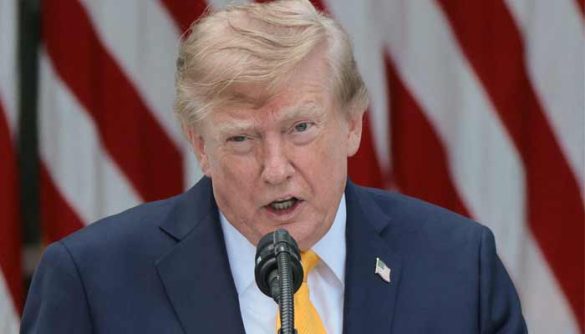
A White House spokesperson said President Donald Trump’s team is negotiating with oil companies to invest in Venezuela’s oil infrastructure. In particular, these companies could fund projects to restore refineries, pipelines, and export facilities.
Consequently, officials aim to increase Venezuela’s oil production and expand exports. Ultimately, they hope these investments will reestablish Venezuela as a major global energy supplier.
Background: U.S.-Venezuela Tensions
The move follows a U.S. military operation in Venezuela on January 3. During the operation, Venezuelan President Nicolás Maduro and his wife, Cilia Flores, were detained and presented in a U.S. court.
As a result, the operation drew international attention and highlighted Washington’s interest in Venezuela’s energy sector. Analysts say the oil sales demonstrate the U.S. goal to secure resources and strengthen regional influence.
Economic Implications
Venezuela holds over 300 billion barrels of proven oil reserves-the largest in the world. However, production has dropped from over 3 million barrels per day in 2005 to under 1 million today.
Therefore, by selling Venezuelan oil, the U.S. could influence global oil prices and supply chains. Even so, small increases in exports under U.S. control could help stabilize international markets.
Strategic and Political Considerations
The U.S. seeks more than economic gains. In addition, controlling Venezuelan oil strengthens Washington’s position against regional rivals. It also ensures supply chains and boosts political influence in Latin America.
Nevertheless, experts warn this strategy may strain relations with other global powers, such as China and Russia, which have invested heavily in Venezuela’s oil sector.
Looking Ahead
The Trump administration’s formal sale of Venezuelan oil marks a major energy and foreign policy shift. While the immediate effects are economic, the long-term impact on regional stability and diplomacy remains uncertain.
Moreover, observers will monitor upcoming transactions to assess their impact on U.S. energy supply, global oil prices, and Venezuela’s recovery.