Fire Safety Deadline Faces Major Hurdles
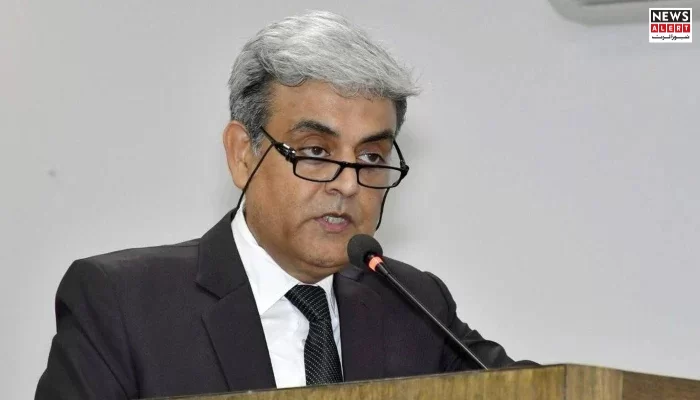
Karachi – Installing fire safety equipment in all Karachi buildings within three days is not feasible, Muhammad Hassan Bakhshi, chairman of the Association of Builders and Developers (ABAD), has said. He explained that limited availability of equipment makes the short-term deadline unrealistic.
The statement followed a fire safety audit report released on Tuesday evening. The audit identified multiple buildings that do not meet current fire safety standards. In response, the Sindh Building Control Authority (SBCA) issued a three-day ultimatum for citywide installation of fire safety systems.
Also Read: Timely Rescue Response Confirmed in Gul Plaza Fire, Says Rescue COO
Older Buildings Present the Biggest Challenge
Bakhshi told the television program Aaj Shahzeb Khanzada Kay Sath that many buildings highlighted in the report are 30 to 35 years old. Older buildings were built when fire safety regulations were less strict or poorly enforced, he said.
He added that ABAD members have already installed safety measures in most buildings constructed over the last 15 to 20 years. For older buildings, we have instructed builders to implement fire safety systems immediately, Bakhshi said.
Equipment Shortages Complicate Compliance
The scarcity of fire safety equipment remains a key obstacle. Procuring and installing fire extinguishers, sprinklers, and alarms across thousands of buildings cannot happen in just three days.
SBCA has formally written to ABAD, urging urgent compliance. Buildings without functioning fire safety systems violate regulations and may face fines or legal action.
Context: Fire Safety in Karachi
Karachi, Pakistan’s largest city and economic hub, has witnessed multiple deadly fires over the past decade. Older high-rise buildings without proper fire safety infrastructure have repeatedly caused loss of life and property.
While SBCA mandates fire safety systems in commercial and residential buildings, enforcement remains uneven. Many older structures lack sprinklers, smoke detectors, and clear fire exits.
A 2020 report by the Citizens-Police Liaison Committee found that only about 40% of high-rise buildings in Karachi fully comply with fire safety standards. Experts stress that emergency measures must be paired with long-term strategies, such as inspections, public awareness, and incentives for retrofitting older buildings.
Industry Response
ABAD’s chairman emphasized collaboration between regulators, builders, and property owners. We support fire safety initiatives. However, the timeline must be realistic. Immediate enforcement without resources may cause more problems than it solves, Bakhshi said.
He also urged owners of older buildings to act proactively. New buildings comply with standards, but older properties need urgent audits and upgrades. Fire safety is a shared responsibility, he added.
Moving Forward
Authorities are considering extending deadlines and arranging equipment distribution. Experts warn that piecemeal solutions will not prevent disasters. Comprehensive planning, infrastructure investment, and continuous monitoring are essential.
Karachi’s fire safety challenge highlights a broader issue faced by rapidly growing cities: enforcing regulations while addressing practical realities in aging infrastructure.