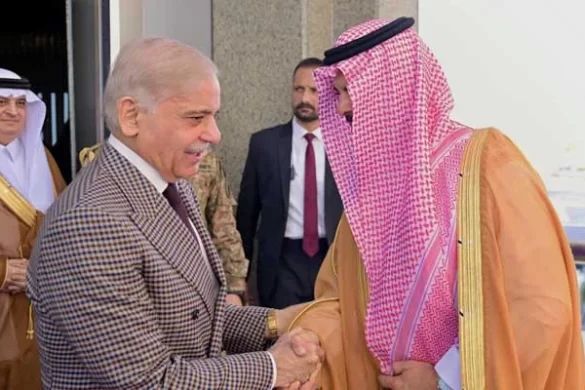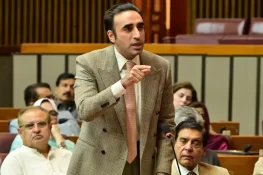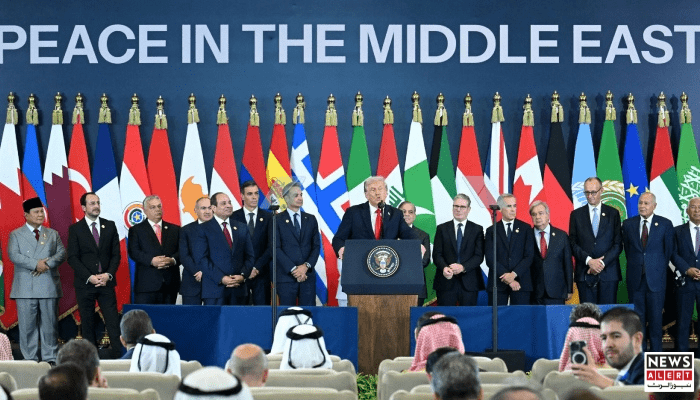
According to reports in Arab media, Pakistan is among 19 countries that have so far joined a newly announced body called the Gaza Board of Peace, an initiative said to have been formed by former US President Donald Trump.
While the body has been presented as a mechanism to oversee Gaza’s reconstruction and recovery, many aspects of the initiative remain opaque. Nonetheless, the growing list of participating countries has drawn international attention, particularly because of its geopolitical implications and the scale of financial commitments reportedly attached to membership.
What is the Gaza Board of Peace?
The Gaza Board of Peace is described as a multilateral body intended to supervise and coordinate reconstruction efforts in the Gaza Strip, following years of conflict and humanitarian crises.
According to the reports, the board’s stated purpose is to monitor and manage rebuilding projects in Gaza. These would include housing, infrastructure, and essential services.
However, it is also noted that the board’s charter does not strictly limit its scope to Gaza alone. This suggests that its role could potentially expand to cover broader regional or international peace and development initiatives.
So far, no official document or charter has been publicly released to clarify its full mandate, governance structure, or decision-making processes.
Countries Reportedly Involved
Arab media outlets report that 19 countries have agreed to join the board. These include a mix of Middle Eastern, Asian, European, and Latin American states.
According to the reports, the following countries are among those that have joined:
From the Muslim world and the Middle East:
Pakistan, Qatar, Saudi Arabia, Türkiye, Indonesia, Bahrain, Egypt, Jordan, and the United Arab Emirates.
From Central Asia and the Caucasus:
Kazakhstan, Uzbekistan, Armenia, Azerbaijan, and Belarus.
From other regions:
Argentina, Hungary, Kosovo, Morocco, and Vietnam.
The diversity of this list suggests an attempt to give the board a broad international character rather than limiting it to a regional framework.
Pakistan’s Role and Significance
Pakistan’s reported inclusion is notable, given its long-standing diplomatic support for Palestinian rights and its consistent advocacy for a two-state solution at international forums.
Islamabad has traditionally backed humanitarian assistance for Gaza and opposed actions it sees as violating international law. Therefore, Pakistan’s participation in a reconstruction-focused body aligns with its publicly stated policy of supporting peace and stability in the region.
However, there has been no official confirmation from the Pakistani government so far regarding the terms of its participation or the level of its commitment.
Israel’s Reported Willingness to Join
In a related development, it was recently reported that Israeli Prime Minister Benjamin Netanyahu had also expressed willingness to join the Gaza Board of Peace, following an invitation from Donald Trump.
If confirmed, Israel’s participation would be highly significant, given its direct role in Gaza-related conflicts and its control over key access points to the territory.
That said, no formal announcement has yet been made by the Israeli government, and details of any potential involvement remain uncertain.
Financial: A Billion-Dollar Membership Fee?
Perhaps the most controversial element of the reported initiative is its financial requirement.
According to a foreign news agency cited in the coverage, the United States is urging various world leaders to become part of the board, which reportedly requires a fee of one billion US dollars for a permanent seat.
If accurate, such a fee would place the Gaza Board of Peace among the most expensive international platforms in the world. For comparison, the United Nations does not require any such lump-sum payment for permanent or non-permanent membership.
This has raised questions about the accessibility, transparency, and overall intent of the board.
Broader Context: Why Gaza Reconstruction Matters
Gaza has faced repeated cycles of conflict over the past two decades. According to the United Nations, more than 80 percent of Gaza’s population relies on humanitarian aid, while unemployment often exceeds 40 percent.
Large parts of Gaza’s housing, water systems, and electricity networks have been damaged or destroyed during conflicts. As a result, reconstruction is not only a political issue but also a humanitarian imperative.
Any initiative aimed at rebuilding Gaza is therefore bound to attract attention. However, its credibility depends heavily on inclusivity, transparency, and coordination with established international bodies.
Questions Still Unanswered
Despite the flurry of reports, many questions remain unanswered. Who exactly governs the board? How will projects be selected and monitored? Will Palestinian authorities be directly involved? And how will the board interact with existing UN agencies and international donors?
Until more official details are released, the Gaza Board of Peace remains a subject of debate rather than a fully understood international mechanism.
For now, what is clear is that the idea has sparked interest across continents – and, if confirmed, could become a new and controversial player in the complex politics of Gaza’s future.