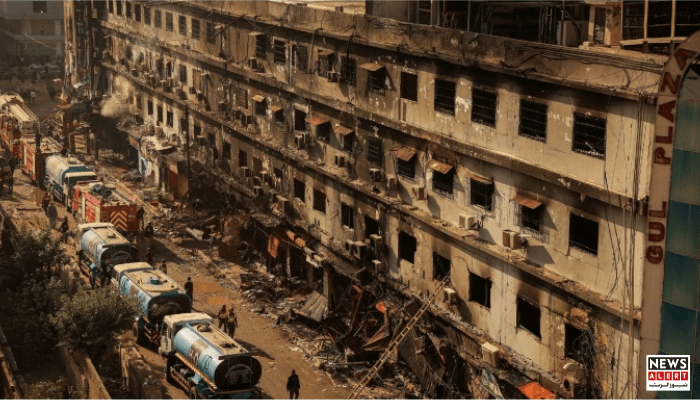
A devastating fire at Karachi’s Gul Plaza was likely not caused by a short circuit, according to an initial investigation report prepared by authorities. Instead, early evidence suggests the blaze may have been sparked by a matchstick or lighter, possibly during children’s play inside a shop selling artificial flowers.
The preliminary report has been compiled using statements from eyewitnesses and victims. Investigators say the findings are still subject to further verification, but they provide the first clear indication that human activity, rather than faulty wiring, may have triggered the incident.
Fire Believed to Have Started in Artificial Flower Shop
According to investigative sources, the fire originated in a shop dealing in artificial flowers. These items are often made from plastic and other highly flammable materials, which can ignite and spread flames rapidly.
Sources said children were present inside the shop at the time of the incident. During play, the fire reportedly started when the children were handling a matchstick or a lighter. Investigators believe that sparks first caught onto the shop’s merchandise before spreading to nearby electrical wiring.
This detail is significant because it shifts responsibility away from electrical infrastructure and toward unsafe handling of fire-producing objects in a commercial setting.
Not an Electrical Short Circuit, Officials Say
Contrary to initial public speculation, the authorities have ruled out a short circuit as the primary cause of the fire, at least at this early stage.
In many fire incidents across Pakistan, faulty wiring is often blamed due to aging infrastructure and poor compliance with safety codes. However, in the case of Gul Plaza, investigators found no immediate evidence that the blaze originated from electrical failure.
Instead, the fire is believed to have spread to the wires only after igniting in the shop’s goods. This sequence, if confirmed, could influence both legal responsibility and future safety recommendations.
Panic and Chaos as People Rushed for Exits
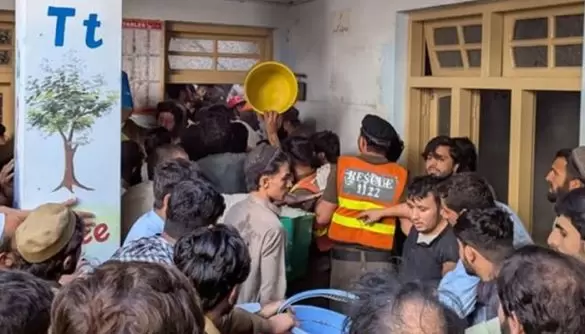
As soon as the fire broke out, people inside the building reportedly rushed toward the exits. However, several exit doors were found to be closed, leading to panic and a stampede-like situation.
Witnesses described scenes of confusion as smoke quickly filled the corridors. Some occupants struggled to find safe escape routes, while others attempted to help those trapped behind locked or blocked doors.
Emergency experts say that blocked or locked exits are a major factor in increasing casualties during fires. International safety standards require that commercial buildings keep exits clearly marked and accessible at all times, a rule that is frequently violated in densely populated urban centers.
Building Design and Safety Concerns
Investigators noted that most shops in the building were open at the time of the fire, which may have contributed to the rapid spread of smoke and flames.
Moreover, a metal grill was installed on the rooftop access route, limiting escape options for those attempting to flee upward. Such barriers are often installed for security purposes, but they can become deadly obstacles during emergencies.
Fire safety experts in Pakistan have repeatedly warned against the excessive use of grills and locked gates in commercial and residential buildings, as they can trap occupants during fires.
CCTV System Completely Damaged
The fire severely affected the building’s CCTV system, leaving investigators without video footage that could have helped reconstruct the exact sequence of events.
The loss of surveillance footage is a setback for authorities, as visual evidence often plays a crucial role in confirming witness accounts and identifying responsible parties.
A Broader Pattern of Fire Safety Failures
Karachi, a city of more than 20 million people, has witnessed several deadly fires in recent years. Poor enforcement of building codes, lack of fire exits, and absence of regular safety inspections remain persistent issues.
According to rescue officials, hundreds of fire incidents are reported annually in the city, many of them linked to negligence and lack of preparedness.
The Gul Plaza incident has once again highlighted the urgent need for stricter fire safety regulations, especially in commercial buildings where flammable goods are stored.
What Happens Next
Authorities say a final report will be issued after forensic analysis and further questioning of witnesses. If negligence is confirmed, legal action may follow against those responsible for safety violations.
Meanwhile, officials have urged building owners and shopkeepers to review their fire safety measures, including ensuring open exits, functional alarms, and accessible firefighting equipment.
As investigations continue, the tragedy at Gul Plaza serves as a sobering reminder that even small acts of carelessness can have devastating consequences in crowded urban spaces.