The United States has dispatched a significant military force toward Iran, including warships and fighter jets, escalating regional tensions amid ongoing concerns over Tehran’s nuclear ambitions.
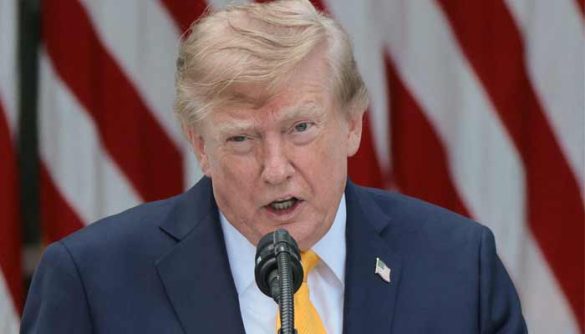
Speaking to journalists aboard Air Force One, President Donald Trump confirmed the movement of U.S. forces toward Iran but emphasized that the deployment does not necessarily signal an imminent attack.
Trump Confirms Military Movement
We have a large force on the way to Iran, Trump said. Many ships are heading there, and we are positioning forces cautiously near Iran. Let’s see what happens next.
The president noted that the deployment reflects Washington’s vigilance rather than an automatic move toward war. We have been closely monitoring Iran. I warned them that there would be consequences if certain actions continued. After my warning, they cancelled their planned executions, he said, referring to recent tensions over political prisoners in Iran.
Trump clarified that the military movement should not be interpreted as a direct step toward combat. This does not mean the U.S. will necessarily take military action, he added.
Details of the Deployment
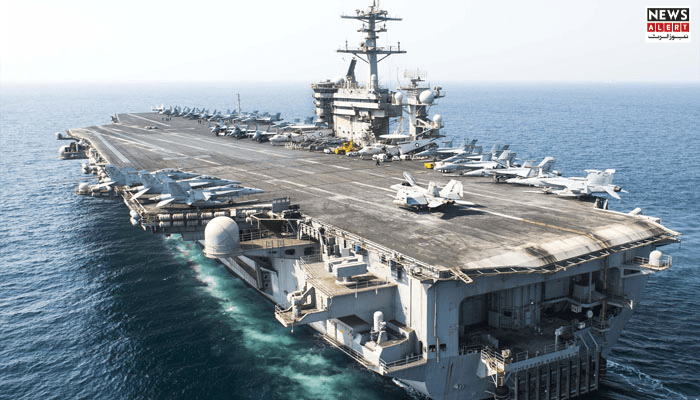
According to U.S. officials cited by international media, the forces sent to the region include a carrier strike group centered around the aircraft carrier USS Abraham Lincoln, accompanied by other warships and fighter aircraft. These forces are part of a broader U.S. strategy to maintain readiness in the Middle East, where conflicts in Syria, Iraq, and Yemen continue to complicate regional stability.
Aircraft carriers like the USS Abraham Lincoln typically carry more than 70 aircraft, including fighter jets, helicopters, and surveillance planes. Carrier strike groups also include destroyers and cruisers, providing a highly mobile and flexible military presence capable of both defense and offensive operations.
Background: U.S.-Iran Tensions
Tensions between Washington and Tehran have surged over the past year, largely due to the U.S. withdrawal from the 2015 Iran nuclear deal and Iran’s subsequent resumption of some nuclear activities. The U.S. has imposed a series of sanctions targeting Iran’s oil exports and financial sectors, while Tehran has occasionally escalated threats toward U.S. interests in the region.
Previously, President Trump had stated that he would avoid additional military action against Iran unless the country resumed its nuclear program. We will not act unless Iran restarts its nuclear ambitions. If they do, we will respond, he said in an earlier briefing.
This recent deployment underscores a strategy of deterrence, sending a strong signal to Iran while leaving diplomatic channels open. Military experts note that such movements are common in high-stakes diplomacy, providing leverage without immediate engagement in combat.
Regional Implications
The U.S. military presence is likely to increase vigilance across the Gulf and surrounding waters. The Strait of Hormuz, through which approximately 20% of global oil passes, remains a flashpoint for potential conflict. Any escalation could disrupt global oil markets and raise security concerns for neighboring countries.
Analysts stress that while the movement of a carrier strike group signals readiness, it also carries risks of miscalculation. These deployments are both a warning and a test of restraint, said one military analyst. The goal is to project power without triggering conflict, but tensions remain high.
A Cautious Approach
By publicly acknowledging the deployment while stressing that military action is not guaranteed, the White House appears to be balancing deterrence with diplomacy. President Trump’s approach reflects a broader U.S. policy of maintaining pressure on Iran while avoiding direct military confrontation unless necessary.
As the situation develops, the world will be closely watching Washington and Tehran, hoping that escalating rhetoric does not lead to open conflict.