Trump Expected to Lead Gaza Board of Peace
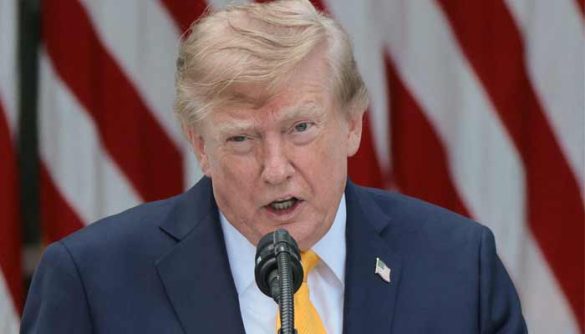
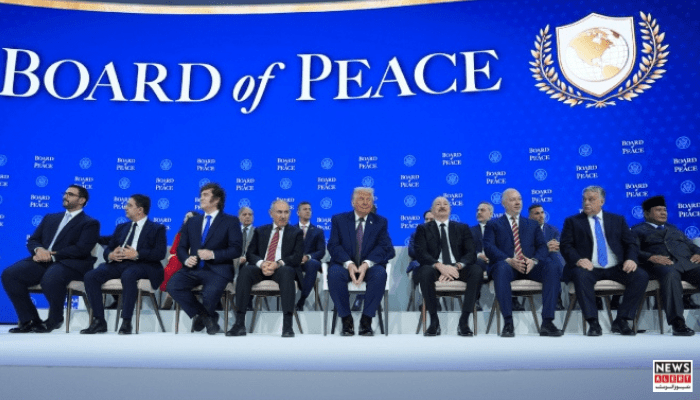
New York – According to a report in a U.S. newspaper, former President Donald Trump is set to hold the central authority in the newly established Gaza “Board of Peace.” The board, which aims to oversee conflict resolution and peace-building efforts in the Gaza Strip, reportedly grants Trump extensive powers, including the appointment of the next board chairman.
The newspaper highlighted that the text of the board’s resolution gives the United States a primary supervisory role. Trump, as the key figure, would have the final say in major decisions and strategic direction. Other participating nations are expected to serve in supporting roles rather than exercising independent authority.
International Participation
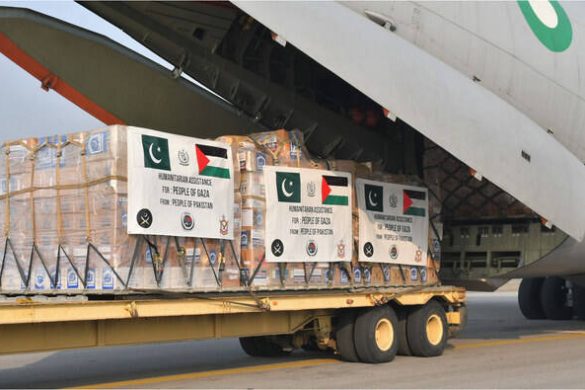
The Gaza Board of Peace reportedly includes a broad coalition of countries from the Middle East, Asia, and beyond. Among them are Pakistan, Qatar, Saudi Arabia, Turkey, Indonesia, Bahrain, Egypt, Jordan, Kazakhstan, Uzbekistan, and the United Arab Emirates (UAE).
In addition, several countries from other regions have announced their participation. These include Argentina, Armenia, Azerbaijan, Belarus, Hungary, Kosovo, Morocco, and Vietnam. Conversely, Italy and Spain have declined to join the board, citing undisclosed concerns.
The composition reflects a mix of traditional Middle Eastern stakeholders and a broader international coalition, signaling the United States’ ambition to present the initiative as a global peace effort.
Strategic Implications
Experts note that giving a single former U.S. president such prominent authority is unusual in international diplomacy. Typically, peace initiatives involve collective decision-making among member states. By granting Trump decisive powers, the board’s structure diverges from established norms of multilateral conflict resolution.
The move also underscores the U.S. effort to maintain influence over Gaza’s political and humanitarian developments. Since 2007, the Gaza Strip has been governed by Hamas, facing repeated conflicts with Israel, leading to humanitarian crises. According to UN reports, over two million Palestinians live in Gaza under challenging conditions, with limited access to electricity, clean water, and medical services.
Potential Challenges
While the board’s stated goal is peace, analysts warn that concentrating authority in a single figure may raise questions about neutrality. Regional powers, particularly those with a direct stake in Gaza, might resist decisions they perceive as overly influenced by U.S. interests.
Moreover, coordination among 20-plus member nations with diverse political interests could be challenging. Each country has its own foreign policy priorities, and aligning them under a single leader could create friction.
Context of the Initiative
The Gaza Board of Peace emerges amid ongoing tensions in the region. Recent clashes between Israel and Hamas have heightened international attention on Gaza. Humanitarian agencies repeatedly call for international intervention to provide relief and prevent further escalation.
The United States has historically played a significant role in Middle Eastern diplomacy, including brokering Israel-Palestine agreements. This initiative, however, appears unprecedented in its approach, placing a former U.S. president at the center of governance for an international peace mechanism.
Looking Ahead
The effectiveness of the Gaza Board of Peace will largely depend on its ability to balance U.S. influence with cooperation from international members. Its success may influence future models of conflict resolution in the Middle East and elsewhere.
Observers will be closely watching whether Trump’s leadership style, largely shaped by domestic politics, can adapt to the delicate dynamics of international diplomacy in a volatile region.