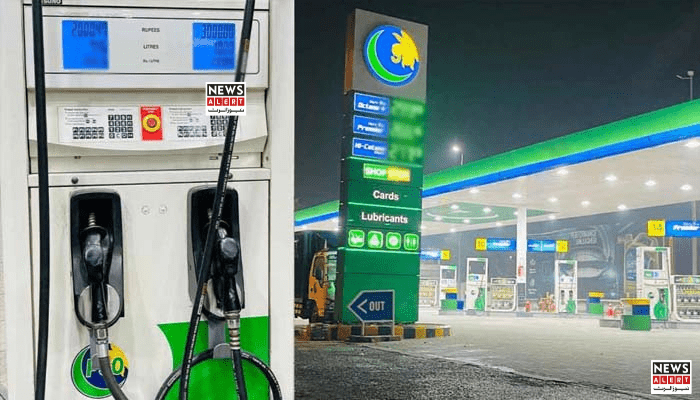
Pakistan may see mixed changes in fuel prices from February 1, according to early industry estimates. While petrol prices are expected to fall marginally, diesel and other petroleum products could become significantly more expensive. The final decision, however, will rest with the federal government after consultations at the highest level.
Petrol Prices Likely to Dip Slightly
Industry sources say petrol prices could decrease by 36 paisas per litre from February 1. Although the cut is small, it would still offer limited relief to private vehicle owners. Petrol is mainly used by motorcycles, cars, and small generators across the country.
For many households, even minor price changes matter. Petrol is closely linked to daily commuting costs and household transport expenses. However, analysts say the expected reduction is too modest to have a visible impact on inflation.
Still, the projected decrease contrasts sharply with the expected rise in diesel prices.
Diesel Set for a Significant Increase
High-speed diesel is expected to rise by as much as Rs 9.47 per litre, industry sources indicate. This potential hike is substantial and could affect a wide range of economic activities.
Diesel fuels trucks, buses, agricultural machinery, and trains. As a result, higher diesel prices often push up food prices and transport fares. Therefore, any sharp increase tends to ripple through the broader economy.
Experts warn that diesel price hikes usually contribute more to inflation than petrol changes. This is because diesel underpins supply chains and public transport systems nationwide.
Kerosene and Light Diesel Also to Become Costlier
In addition to diesel, other petroleum products are also expected to become more expensive. According to preliminary estimates:
-
Kerosene oil may increase by Rs 3.69 per liter
-
Light diesel oil could rise by Rs 6.95 per liter
Kerosene is still used in some rural and low-income households for cooking and lighting. Any increase, therefore, directly affects vulnerable communities. Light diesel oil is used in small engines and industrial units, especially in off-grid areas.
Consequently, these increases could add pressure on households already struggling with high living costs.
How Fuel Prices Are Decided in Pakistan
Pakistan reviews fuel prices twice a month. The Oil and Gas Regulatory Authority (OGRA) plays a key technical role in this process. OGRA calculates recommended prices based on global oil trends, exchange rates, and applicable taxes.
According to industry officials, OGRA will send its working paper to the Petroleum Division on January 30. After that, the Ministry of Finance will review the recommendations.
The final decision will be made after consultations with the prime minister. Only then will the official prices be notified.
Global and Domestic Factors at Play
Fuel prices in Pakistan are heavily influenced by international oil markets. Fluctuations in crude oil prices and the rupee-dollar exchange rate play a central role.
In recent months, global oil prices have remained volatile due to geopolitical tensions and supply concerns. Meanwhile, Pakistan’s weak currency continues to raise import costs.
At the same time, the government relies heavily on fuel taxes for revenue. These taxes help meet budget targets but also keep prices high for consumers.
What This Means for Consumers
If approved, the expected price changes will bring uneven effects. Private motorists may see slight relief. However, transport operators, farmers, and businesses are likely to face higher costs.
As a result, economists warn that inflationary pressures could persist in the coming weeks. Much will depend on whether the government absorbs some costs or passes them fully to consumers.
For now, all eyes are on the government’s final announcement, expected before the end of January.