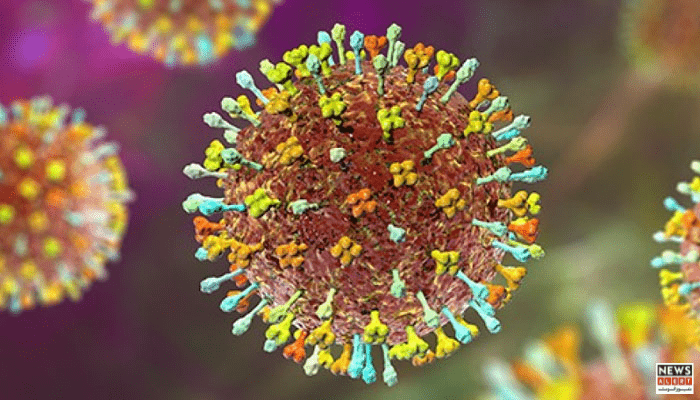
Pakistan’s health authorities have issued an alert to multiple institutions over concerns related to the Nipah virus, a rare but potentially deadly zoonotic disease. Officials stress that there is currently no confirmed case in the country and that the overall risk remains low. However, precautionary steps are being taken to ensure early detection and rapid response.
The alert has been issued by Border Health Services, which operates under the federal health system and is responsible for monitoring diseases at international entry points.
Heightened Vigilance Despite Low Risk
According to officials, the alert is preventive in nature. There is no evidence of active transmission of the Nipah virus within Pakistan at this stage. Nevertheless, authorities have decided to act early, learning from previous regional outbreaks in South Asia.
The Nipah virus has caused sporadic outbreaks in countries such as Bangladesh and India, with high fatality rates reported in some instances. The World Health Organization classifies Nipah as a priority pathogen due to its potential to cause severe outbreaks.
In light of this, Pakistani health officials say vigilance is essential, especially at borders and major transport hubs.
Hospitals Directed to Prepare for Suspected Cases
As part of the alert, hospitals across the country have been instructed to prepare designated beds for suspected Nipah patients. In Islamabad, Pakistan Institute of Medical Sciences (PIMS) has been specifically directed to remain on standby for any suspected cases arriving from Islamabad International Airport.
Health authorities say early isolation is critical in managing suspected Nipah infections. Therefore, hospitals have been asked to ensure basic infection prevention measures, trained staff, and clear referral pathways.
Although no cases have been reported so far, officials believe preparedness can significantly reduce risks.
Stricter Screening at Airports and Border Points
Screening and surveillance measures have been further tightened at all air, sea, and land entry points. Border Health Services has enhanced monitoring procedures to identify passengers showing symptoms such as fever, respiratory distress, or neurological signs.
Moreover, airports and border crossings have been instructed to appoint dedicated focal persons. These officials will coordinate between immigration staff, health teams, and local hospitals if a suspected case emerges.
This step aims to ensure faster communication and avoid delays in medical response.
Provinces Told to Ensure Trained Staff and Referral Systems
Federal authorities have directed all provincial governments to ensure the availability of trained healthcare workers capable of managing suspected Nipah cases. Provinces have also been asked to strengthen referral systems so that patients can be quickly transferred to designated facilities.
Health experts note that coordination between federal and provincial authorities is crucial during potential public health threats. Clear reporting channels and standard operating procedures help prevent confusion during emergencies.
Special Ambulances and Contact Monitoring in Islamabad
In Islamabad, the District Health Officer (DHO) has been instructed to allocate special ambulances for suspected Nipah patients. These ambulances will follow infection control protocols to minimize any risk of spread.
Additionally, authorities have ordered that close contacts of suspected patients be monitored for 21 days. This period reflects the known incubation window of the Nipah virus, during which symptoms may appear.
Such contact tracing measures are standard practice in managing viral threats with human-to-human transmission potential.
What Is Nipah Virus?
Nipah virus is primarily transmitted from animals to humans, often through fruit bats. It can also spread through close human contact in certain settings. Symptoms range from fever and headache to severe respiratory illness and encephalitis.
Past outbreaks in the region have shown fatality rates ranging from 40 to 75 percent, depending on healthcare response and detection speed. However, experts emphasize that early diagnosis greatly improves outcomes.
Public Urged to Stay Calm
Health officials have urged the public not to panic. They say the alert reflects preparedness, not an emergency. Citizens are advised to rely on official information and follow general hygiene practices.
Authorities say Pakistan’s health system remains alert, and all necessary steps are being taken to protect public health.