Pakistan has taken another step toward producing vaccines locally, following a series of high-level engagements with Saudi Arabia. Officials say the initiative could strengthen Pakistan’s healthcare system, reduce reliance on imports, and ensure a stable supply of safe and affordable vaccines for its population.
The development comes amid broader efforts by Islamabad to improve health security after lessons learned during the Covid-19 pandemic, when global supply chains faced severe disruption.
High-Level Talks on Vaccine Manufacturing
According to Pakistan’s Ministry of National Health Services, Federal Health Minister Mustafa Kamal held three meetings with his Saudi counterpart. These discussions focused on local vaccine manufacturing, foreign investment, and technical cooperation.
The ministry spokesperson said both sides explored ways to collaborate in vaccine production and the wider pharmaceutical sector. Industrial partnerships were also discussed, with the aim of building long-term manufacturing capacity inside Pakistan.
Officials described the meetings as constructive. They said the talks moved beyond initial ideas toward practical cooperation. This includes identifying partners, aligning regulations, and sharing technical expertise.
Saudi Delegation Arrives in Pakistan
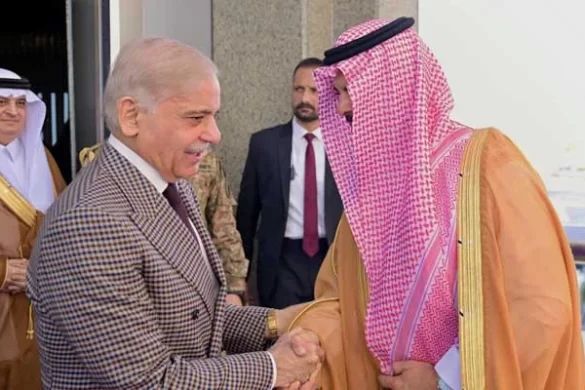
A key development is the arrival of a high-level Saudi delegation in Pakistan. The 11-member team is expected to hold meetings with Pakistani health and industry officials in Islamabad.
During earlier engagements, both countries agreed to appoint focal persons. These officials will coordinate technical discussions and follow-up actions. From Pakistan’s side, Dr Obaid, Chief Executive Officer of the Drug Regulatory Authority of Pakistan (DRAP), has been appointed as the focal person. On the Saudi side, Nizar Al Hariri, a senior adviser at the Saudi Ministry of Industry, will lead coordination.
Pakistani officials say these appointments will help speed up decision-making. They also expect smoother communication between regulatory bodies and industry stakeholders.
Multiple Technical Meetings Held
The Ministry of Health confirmed that Pakistan’s chief executive-level officials have already held six meetings with the Saudi Ministry of Industry’s adviser. These sessions reportedly focused on regulatory frameworks, production standards, and possible investment models.
While specific timelines were not announced, officials indicated that groundwork has been laid. The next phase is expected to involve feasibility studies and site assessments.
Pakistan currently imports most of its vaccines. According to health experts, local production could significantly lower costs and improve access, especially for routine immunisation programmes.
Why Local Vaccine Production Matters
Pakistan has a population of more than 240 million people. Each year, millions of children require routine vaccinations under the Expanded Programme on Immunisation. During the Covid-19 pandemic, Pakistan relied heavily on imported vaccines and donations.
Global data shows that countries with local manufacturing capacity were better positioned during supply shortages. As a result, many developing nations are now prioritising domestic vaccine production.
Health officials say local manufacturing will help Pakistan meet national demand more reliably. It could also open the door to exports in the long term, especially to regional markets.
Government Commitment and Future Outlook
Federal Health Minister Mustafa Kamal said the government is fully committed to local vaccine production. He described the Saudi delegation’s visit as a decisive step toward achieving this goal.
He added that producing vaccines domestically would help meet Pakistan’s health needs. Ensuring access to safe and high-quality vaccines remains a top government priority.
Officials stressed that any locally produced vaccines would meet international safety and quality standards. Regulatory oversight by DRAP will remain central to the process.
While challenges remain, including financing and technical capacity, authorities appear optimistic. With Saudi Arabia’s support in investment and technology, Pakistan hopes to turn policy discussions into concrete outcomes.
For now, health experts see the initiative as a promising move. If successful, it could mark a major shift in Pakistan’s public health landscape.