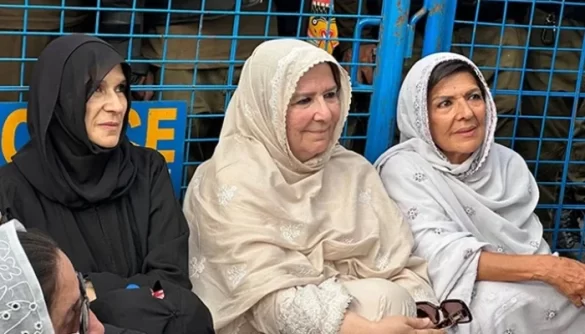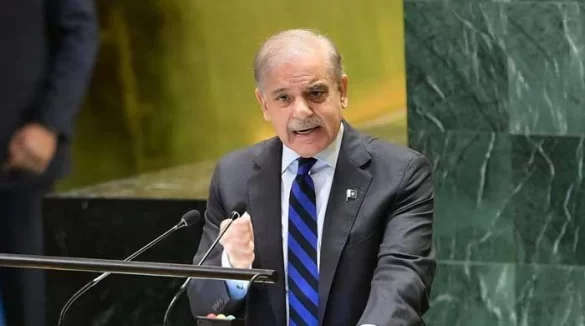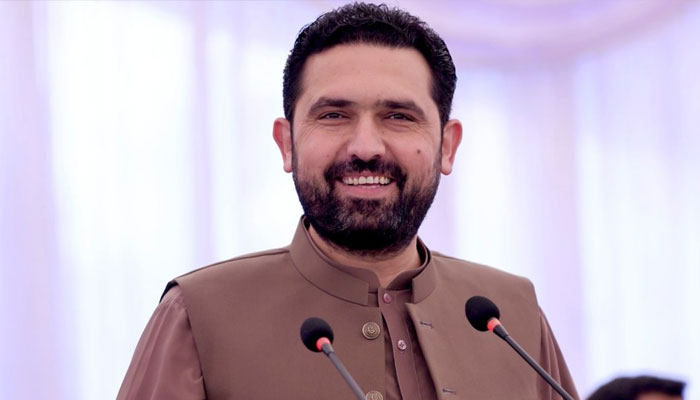
Peshawar, Pakistan — Khyber Pakhtunkhwa (KP) Chief Minister Suhail Afridi has stated that his recent meeting with Prime Minister Shehbaz Sharif did not include any discussion about Pakistan Tehreek-e-Insaf (PTI) founder Imran Khan or his sisters. Afridi emphasized that the talks focused solely on development issues, particularly the release of funds for the province’s tribal districts.
Meeting Focused on Development Funding
Speaking to reporters after the meeting, Afridi highlighted the financial challenges faced by the tribal districts of KP. He said approximately Rs 260 billion allocated for these regions has been delayed. During the discussions, Prime Minister Sharif reportedly instructed the release of Rs 26 billion immediately to support ongoing projects.
Afridi described the release as a significant step for areas including Wadi Tirah, Kurram, and Bajaur, where local communities have long faced security challenges and underdevelopment. For the people sacrificing their lives in these regions, Rs 4 billion is a small amount. But connecting it to their sacrifices should not diminish the gravity of their contributions, he noted.
The Chief Minister underlined that the meeting remained strictly administrative and developmental. He clarified, There was no discussion about PTI founder Imran Khan or his sisters. No political matter was discussed at all.
Security Challenges and Future Discussions
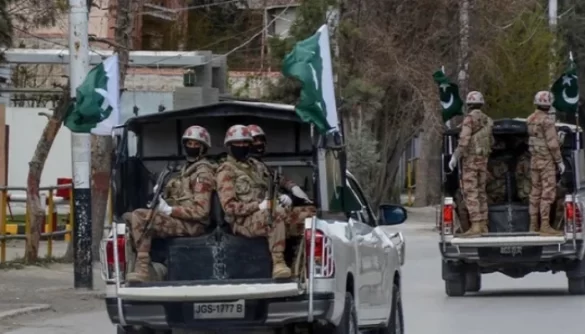
When asked about recent terrorist incidents in KP, Afridi stressed that terrorism does not recognize provincial or national boundaries. Terrorists have no province or country. Our fight against terrorism is ongoing, and it requires coordination at all levels, he said.
Afridi also indicated that another meeting with the Prime Minister is scheduled after the Eid holidays, where security and counter-terrorism measures will be discussed in more detail. We are already speaking openly about our stance and the steps being taken, he added, highlighting the provincial government’s commitment to transparency in addressing security concerns.
Tribal Districts: A Longstanding Development Challenge
The tribal districts of KP, formerly known as the Federally Administered Tribal Areas (FATA), have historically faced challenges including underdevelopment, displacement, and insurgency. After the merger of FATA with KP in 2018, successive governments have pledged to increase development spending, improve infrastructure, and enhance public services.
Despite these promises, bureaucratic delays and security concerns have slowed progress. The release of Rs 26 billion by the federal government marks a significant attempt to revive stalled projects, which include road construction, healthcare facilities, and educational initiatives.
Experts note that development in these areas is crucial not only for local stability but also for national security. Investment in education, infrastructure, and livelihood programs can help reduce the influence of extremist groups in the region, said a policy analyst familiar with KP’s tribal districts.
Political Context
Afridi’s clarification comes amid heightened political sensitivity in Pakistan, where PTI, led by Imran Khan, remains a central opposition force. While political debates often dominate headlines, Afridi’s emphasis on development signals the provincial government’s intent to focus on governance and public service delivery rather than partisan disputes.
By stressing that the meeting with the Prime Minister avoided political issues, Afridi reinforced the separation between administrative priorities and party politics, a point that may help temper speculation about any potential political discussions regarding Imran Khan or his family.
Looking Ahead
With the Eid holidays approaching, the KP government plans to continue dialogue with the federal government on both financial and security matters. Afridi’s statements indicate that administrative coordination will take precedence in the near term, while political questions will remain secondary.
As Pakistan navigates both developmental and security challenges, the timely release of funds for KP’s tribal districts could serve as a crucial step toward stabilizing the region and addressing long-standing grievances of local populations.