Lahore Sees Massive Kite Sales
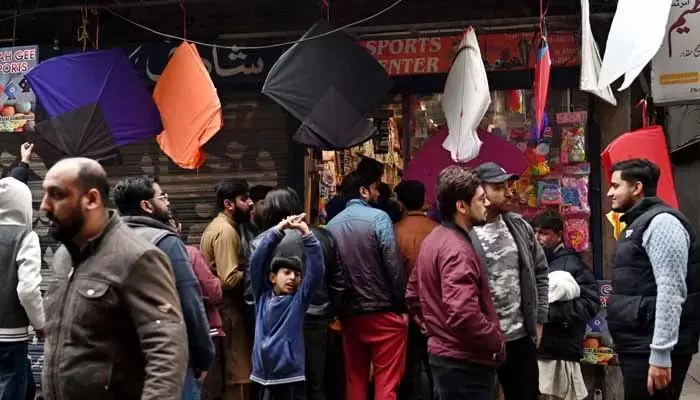
Lahore witnessed a surge in kite and spool sales over a span of just three days, with total transactions exceeding PKR 540 million (around $3 million USD), according to the Kite Association of Pakistan.
On Tuesday alone, more than 500,000 kites were sold across the city, reflecting both the popularity of kite flying and the cultural significance of the activity in Pakistan. The spike in sales comes ahead of traditional festivals and local celebrations, when kite flying is at its peak.
Peshawar’s Yakatoot Market: A Hub of Kite Craftsmanship
While Lahore is seeing record sales, the historic Yakatoot Bazaar in Peshawar has emerged as a key production center. Dozens of kite shops operate in the market, employing skilled artisans primarily from Punjab. These craftsmen work day and night to manufacture kites and spools (locally known as guddies).
The artisans are known for producing high-quality, visually striking kites at affordable prices, which are then distributed in bulk to Lahore and other major cities. Their work not only fuels domestic trade but also keeps alive a centuries-old craft tradition in the region.
Workshops Working Round the Clock
Shopkeepers in Yakatoot Bazaar reported that various kite-making workshops across Peshawar are operating at full capacity. Skilled workers focus on both efficiency and precision, producing large quantities of kites and spools to meet growing demand.
The demand for kites has been exceptional this year, said a local shopkeeper. Our craftsmen are working tirelessly to ensure that people across Punjab and other provinces have access to quality kites for festivals and competitions.
This high demand underscores the importance of traditional artisan skills in the contemporary market. Despite modern toys and entertainment options, kite flying remains a deeply ingrained cultural pastime in Pakistan, drawing families and enthusiasts alike.
Economic and Cultural Significance
The kite industry provides livelihoods for hundreds of craftsmen, traders, and small-scale manufacturers. In addition to Yakatoot Bazaar, smaller workshops in nearby towns contribute to production, creating a network of employment that spans multiple regions.
Economists note that seasonal industries like kite production are significant for local economies. Beyond direct sales, these festivals boost retail activity in cities, increase demand for complementary products like decorative spools and strings, and stimulate transport and logistics sectors.
Kite flying itself has a long-standing tradition in Pakistan, particularly in Punjab and Khyber Pakhtunkhwa. The activity peaks during Basant and other regional festivals, which are celebrated with vibrant colors, music, and communal gatherings. Although some cities have imposed restrictions on kite flying due to safety concerns in the past, the enthusiasm among participants continues to fuel strong market growth.
Looking Ahead
With Lahore alone selling over half a million kites in just one day, and workshops in Peshawar operating around the clock, the kite industry shows no signs of slowing down. The blend of traditional craftsmanship, modern consumer demand, and cultural significance ensures that kite flying remains an enduring and economically valuable pastime in Pakistan.
As festivals approach, the market for kites and spools is expected to further expand, reinforcing the importance of artisans and small businesses in sustaining this vibrant cultural practice.