India Blocks US Request for Flight Data
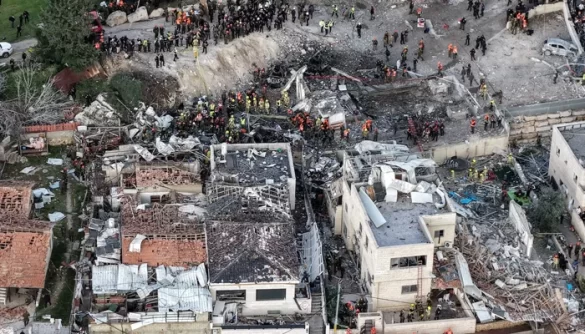
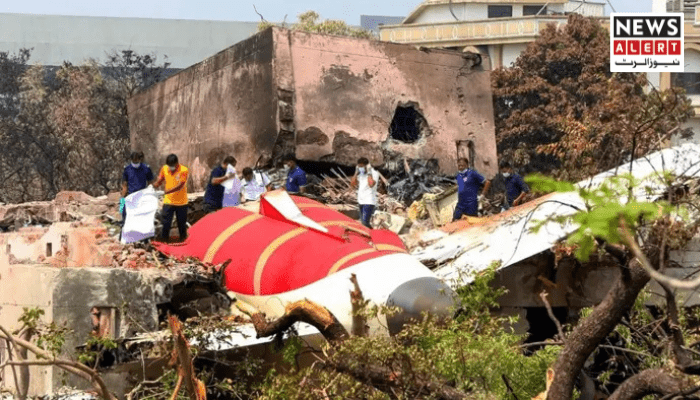
India has turned down a US request for access to the black box from the recent Air India crash. The refusal surprised aviation experts who expected cooperation after such a large loss of life. The aircraft went down on 12 June, killing 260 people. Indian officials released very little information about the cause.
American investigators hoped to review the raw data. They believed it could help confirm technical readings and strengthen the official inquiry. India, however, kept control of the entire process.
US Analysts Point to Possible Human Action
A well-known US magazine reported that the black box recorded a sudden fuel cutoff. The data suggested that someone inside the cockpit manually shut the fuel supply system. A similar technical failure raised questions in another recent Indian aviation incident, which you can read about here: How the Indian Aircraft Crashed – Shocking Details Revealed. This action caused the engines to lose power moments before the crash.
A former CIA official shared the early US assessment. He said investigators saw signs of either serious negligence or intentional action by someone with access to the controls. He also stressed that these findings were preliminary. The team needed more information to confirm anything.
US officials said India did not provide that information.
Washington Team Denied Access to Key Devices
The US investigation team requested access to the Flight Data Recorder and the Cockpit Voice Recorder. They also asked to visit the laboratory where Indian officials examined the devices.
Indian authorities denied all three requests.
They did not offer a clear explanation.
They simply told the American team to wait for India’s final report.
The Cockpit Voice Recorder usually holds the last two hours of cockpit audio. Aviation standards encourage independent review when investigators suspect pilot error or intentional actions. The US team argued that shared access strengthens global safety. India kept its position and continued to work alone.
Experts Warn of Global Safety Risks
Several aerospace experts expressed concern over the limited access. They argued that aviation safety relies on trust between countries. When investigators hide data, they weaken that trust and increase the risk of future incidents.
Some specialists also raised another issue. They claimed that certain pieces of evidence disappeared before foreign investigators arrived. They did not offer proof, and India did not respond to the claim. Yet the allegation added pressure on Indian authorities.
American Media Hints at a Deliberate Crash
The Wall Street Journal examined the available details. Its analysis did not rule out the possibility of a deliberate crash. The paper compared the case to past events, including the 2015 Germanwings tragedy, when a pilot intentionally brought down an aircraft.
Reporters argued that the Air India crash needs full transparency. They said the families of the victims deserve a clear and credible explanation.
Many Questions Still Unanswered
The Air India plane dropped off radar shortly before impact. Witnesses near the crash site reported a sharp loss of altitude. They also described a loud noise moments before the aircraft hit the ground.
Indian media carried mixed reports in the days after the crash. Some outlets pointed to human error. Others raised the idea of sabotage. The lack of official data left the public with speculation instead of answers.
Families of the victims continue to wait for clarity. Many say they still have no idea what happened during the final minutes of the flight.
Aviation experts urge India to release more information. They believe open cooperation will help prevent future disasters. They also warn that secrecy can damage India’s reputation in global aviation.
For now, the investigation remains in India’s hands, and the world continues to wait.