Elon Musk Questions WhatsApp’s Security
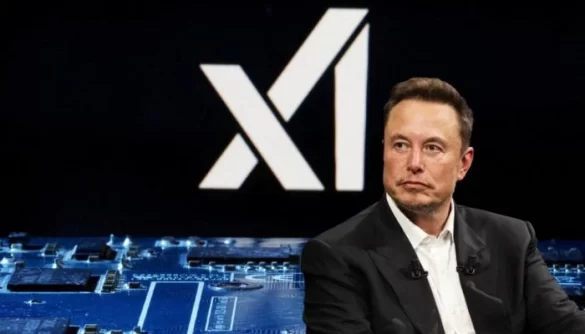
Elon Musk, the world’s richest person and CEO of companies such as Tesla and X (formerly Twitter), has publicly labeled WhatsApp as unsafe. In a recent post on X, Musk stated that neither WhatsApp nor Signal can be considered fully secure for private communications. Instead, he promoted X Chat as a safer messaging alternative.
Musk’s comments come at a time when WhatsApp’s security practices are under legal scrutiny in multiple countries. His remarks reflect growing global concerns over digital privacy and data protection, particularly with popular messaging apps.
Legal Challenge to WhatsApp’s Encryption
The statements coincided with a court case filed in the United States challenging WhatsApp’s claims of end-to-end encryption. The lawsuit alleges that Meta, WhatsApp’s parent company, may have the ability to access users’ private messages despite public assurances of privacy.
According to the lawsuit, users from countries including Australia, Mexico, and South Africa argue that WhatsApp does not provide adequate security protections. The plaintiffs claim that Meta employees can view private messages, including deleted conversations, through internal systems.
Allegations of Employee Access
The legal case references a whistleblower within Meta who claimed that the company’s internal systems could bypass encryption protocols. This allegedly allows employees to access users’ messages at any time, raising serious privacy concerns. Plaintiffs argue that such access is effectively unlimited and could expose the full messaging history of users.
However, the court documents reportedly do not contain technical evidence to substantiate these claims. Despite the allegations, Meta has strongly denied any wrongdoing. The company dismissed the accusations as baseless and laughable, maintaining that user privacy remains a priority.
Growing Global Concerns Over Messaging Security
This case highlights the ongoing global debate over digital privacy. Messaging platforms such as WhatsApp and Signal have long promoted end-to-end encryption as a safeguard against unauthorized access. End-to-end encryption ensures that only the sender and recipient can read the messages, preventing even the platform from viewing the content.
Still, the lawsuit suggests that users may not always be fully protected. With billions of active WhatsApp users worldwide-over 2 billion as of 2023-the stakes are high. Any perceived weakness in privacy protections can lead to widespread distrust and potential regulatory action.
Musk Promotes Alternatives
Elon Musk’s endorsement of X Chat as a safer option reflects a broader trend of tech leaders promoting alternatives amid privacy controversies. While Musk did not provide technical details on why X Chat is more secure, his comments are likely to influence user perceptions and adoption patterns.
Messaging app security remains a critical issue as more personal and sensitive communication moves online. Experts warn that users should remain cautious and informed, carefully evaluating the privacy policies of any platform they use.
Conclusion
Elon Musk’s criticism of WhatsApp underscores growing concerns over digital security and privacy. As legal challenges continue and users demand stronger safeguards, messaging platforms may face increasing pressure to demonstrate transparency and reliability.
While WhatsApp remains one of the most widely used messaging services globally, the ongoing debate highlights a key challenge for tech companies: balancing convenience with trust and security.