Gaza’s already devastated population now faces a new threat as harsh winter storms and heavy rains sweep across the region. Consequently, families displaced by ongoing conflict are forced to live in makeshift tents, where freezing temperatures and worsening conditions are placing vulnerable children at severe risk.
Dire Conditions for Displaced Families
The United Nations Children’s Fund (UNICEF) has raised the alarm over the deteriorating situation for children in Gaza. The agency explained that millions of children are living in temporary shelters with limited protection against the cold. Moreover, with inadequate food, water, sanitation, and medical services, their survival is under serious threat.
Jonathan Corks, UNICEF’s Communications Chief in Palestine, told Al Jazeera that the conditions for children are extremely alarming. He described children living in tents flooded with rainwater, with blankets soaked and only one or two sets of clothes available. As a result, keeping children dry and warm has become nearly impossible.
Furthermore, UNICEF emphasized that without large-scale winter relief measures, the risk of deaths among newborns and young children could rise significantly.
Health Risks Escalate
In addition to the cold, the crowded and unsanitary conditions in Gaza further increase the risk of disease outbreaks. Consequently, respiratory infections, hypothermia, and other cold-related illnesses are becoming more common among displaced children. UNICEF warned that urgent interventions are needed to prevent a further public health disaster.
Also Read: Gaza Faces Deadly Winter After Bombings: Newborn Dies
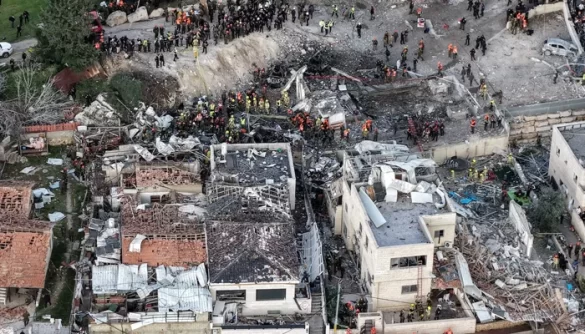
The agency also noted that many families had already been surviving on limited resources following the destruction of homes and infrastructure due to ongoing military conflict. Therefore, the lack of functioning hospitals, clinics, and clean water compounds the danger, leaving children particularly vulnerable.
UNICEF Calls for Immediate Action
In response, UNICEF has appealed to the international community for urgent support. This includes providing adequate winter clothing, blankets, temporary shelters, heating equipment, and access to medical care for children and families. Additionally, the agency stressed that coordinated efforts are essential to protect the lives of the most vulnerable.
Globally, winter-related fatalities among displaced children are often preventable with timely intervention. However, in Gaza, the scale of displacement—coupled with ongoing conflict—makes response efforts particularly challenging.
Humanitarian Context
The Gaza Strip, home to over 2 million people, has faced repeated waves of conflict that have destroyed homes, schools, and hospitals. Moreover, according to UNICEF, more than half of the population are children, many of whom have never lived in stable conditions. Therefore, the winter storm comes on top of an already severe humanitarian crisis, with limited access to electricity, potable water, and healthcare services.
International agencies warn that without immediate action, thousands of children could suffer from cold-related illnesses, malnutrition, and even death. Consequently, UNICEF’s call underscores the urgent need for both emergency aid and long-term solutions to support Gaza’s most vulnerable residents.
Moving Forward
As winter continues, the situation in Gaza remains critical. UNICEF and other humanitarian organizations continue to coordinate aid distribution. However, the scale of need far exceeds available resources. Therefore, the agency urges governments, NGOs, and donors to increase support to prevent further tragedies.
The children of Gaza cannot wait, Jonathan Corks said. They need protection, warmth, and care now—before it’s too late.