Harsh Winter Deepens Humanitarian Crisis
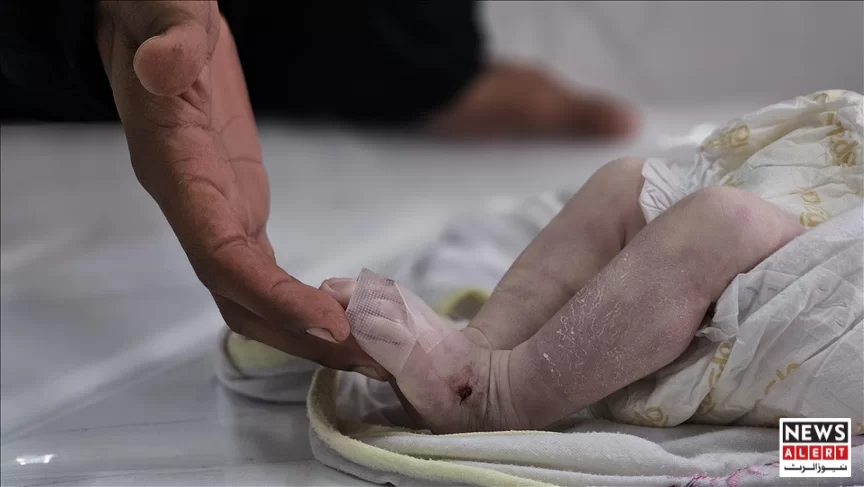
Palestinians displaced by Israeli airstrikes in Gaza now face another deadly threat: the harsh winter. According to Gaza’s Ministry of Health, a newborn recently died from extreme cold. Consequently, authorities warn that the lack of proper housing, heating, and protective facilities endangers children and the elderly.
Thousands of families live in overcrowded temporary shelters or tents exposed to rain and strong winds. Moreover, with limited blankets, warm clothing, and fuel, parents struggle to keep their children safe and warm.
Dire Conditions for Children
UNICEF has expressed deep concern over children’s worsening situation in Gaza. Furthermore, Jonathan Cricks, UNICEF’s Communications Chief for Palestine, told Al Jazeera that conditions for children have become extremely alarming.
He explained that children live in tents flooded with rainwater. In addition, their blankets are damp, and many have only one or two sets of clothes. Therefore, keeping them dry is nearly impossible, he said, warning that disease risks are rising sharply.
UNICEF reports that thousands of children face respiratory infections, hypothermia, and other illnesses. Additionally, limited access to clean water and sanitation worsens the public health threat.
Deaths Linked to Blockade, Not Just Weather
Amnesty International stressed that storm-related deaths in Gaza are not solely due to weather. Instead, the organization says fatalities result from blocked access to shelter and repair materials.
Also Read: Israeli Attack on Gaza: 72 Civilians Killed in 24 Hours
These deaths are preventable, an Amnesty spokesperson said. Moreover, the blockade and ongoing conflict limit civilians’ ability to protect themselves from extreme weather.
Collapsed Roofs Heighten Risks
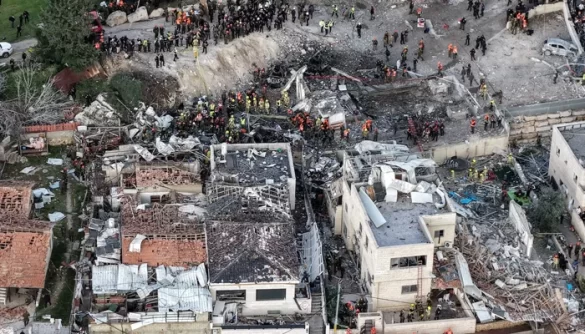
In Gaza’s Shati refugee camp, storms and cold weather caused the roof of a bomb-damaged home to collapse. As a result, six people, including two children, became trapped under the rubble.
Fortunately, rescue teams acted quickly and saved everyone. Nevertheless, the incident highlights the extreme vulnerability of families living in temporary shelters or damaged homes.
Broader Humanitarian Perspective
Gaza’s winter crisis comes amid intense conflict. In addition, repeated airstrikes left tens of thousands homeless, while fuel, energy, and medical supplies remain scarce.
The UN estimates nearly 2 million people live in Gaza. Many reside in overcrowded refugee camps, where winter conditions can become life-threatening. Specifically, infants, children, and the elderly face the highest risks.
Without immediate aid, health experts warn that cold-related illnesses and injuries could claim more lives. Therefore, agencies call for urgent delivery of blankets, warm clothing, fuel, and temporary housing.
Urgent Call for International Support
Humanitarian groups are urging the global community to act quickly. For example, UNICEF and others appeal for donations and logistical support to help vulnerable populations survive the winter.
The people of Gaza need more than sympathy—they need immediate shelter, warmth, and safety, Cricks emphasized.
As winter deepens, conflict, displacement, and freezing temperatures continue to threaten Gaza’s most vulnerable residents. Consequently, without sustained international aid, tragedies like the recent newborn death are likely to increase.