Historic Drop in Gold Prices
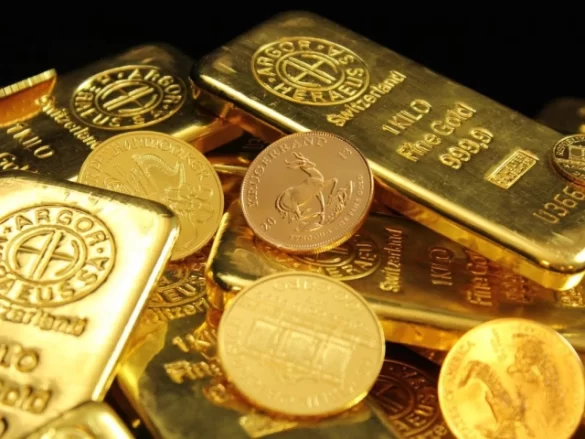
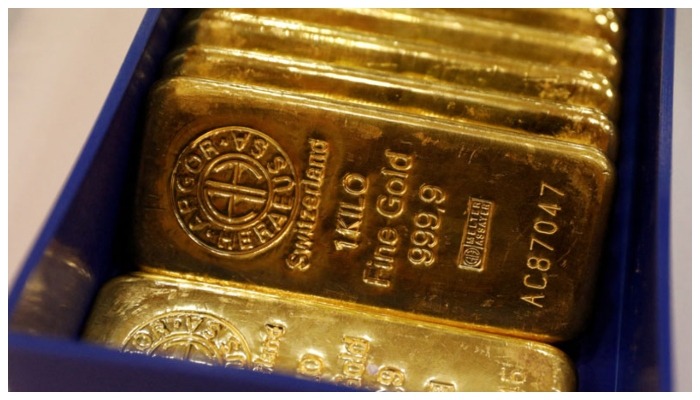
Singapore — Gold prices in global markets have experienced an unprecedented crash, marking one of the largest single-day declines in recent history. During trading, the price of gold fell by nearly 10 percent, losing $458 per ounce and settling at $4,435 per ounce.
This sharp decline represents a dramatic shift for investors who have traditionally turned to gold as a safe-haven asset during times of economic uncertainty. Over the past few days, gold has fallen by approximately $1,000 per ounce, signaling significant volatility in the global commodities market.
Factors Driving the Decline
Market analysts point to several factors behind the sudden drop in gold prices. A stronger U.S. dollar, rising interest rates, and shifts in investor sentiment have all contributed to the sell-off.
Historically, gold tends to rise during periods of inflation or geopolitical tension. However, recent data suggesting stabilizing inflation in major economies and optimism in equity markets may have prompted investors to reduce their gold holdings.
Investors are recalibrating their portfolios, said one market analyst. The correction in gold reflects broader confidence in financial markets, despite ongoing global uncertainties.
Impact on Global Markets
The crash in gold prices has ripple effects across other commodity and financial markets. Investors who rely on gold-backed securities or futures contracts may face short-term losses. Meanwhile, central banks and sovereign wealth funds holding large reserves of gold could see fluctuations in their asset values.
Financial experts caution that while the current drop is severe, gold remains a crucial long-term hedge. They note that historical patterns suggest the metal often rebounds after sharp corrections, though the timing is uncertain.
Oil Prices Also Decline
The turbulence in commodities markets extends beyond gold. Crude oil prices have also fallen, with Brent crude declining by 4 percent to $67 per barrel and U.S. West Texas Intermediate (WTI) crude dropping to $63 per barrel.
The fall in oil prices reflects concerns about global demand and supply dynamics. While production levels remain steady, fears of slowing economic growth in major economies have reduced expectations for oil consumption.
Market Reactions
Global stock markets have shown mixed reactions. While some indices benefited from the temporary shift away from gold, commodity-dependent sectors faced pressure. Traders emphasized the importance of monitoring both geopolitical developments and macroeconomic indicators in the coming weeks.
Analysts suggest that investors remain cautious. Volatility in commodities is likely to persist, said one economist. Diversification and careful risk management are critical during this period.
Broader Economic Context
The recent movements in gold and oil highlight the interconnected nature of global markets. Central banks, multinational corporations, and individual investors must navigate fluctuating commodity prices while managing inflation, interest rates, and geopolitical risks.
While some market participants view the gold crash as an opportunity to buy at lower prices, others remain wary of further declines. The coming months will be closely watched by financial institutions and policymakers alike, as global commodities continue to experience unprecedented swings.