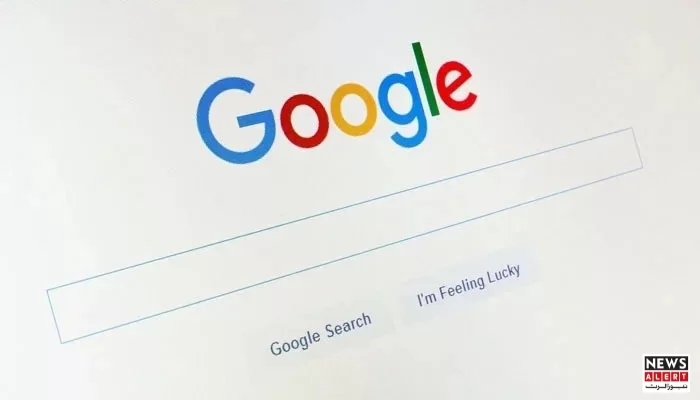
After remaining largely unchanged for years, Google’s famously simple homepage is undergoing a notable update. While the change may appear minor at first glance, it reflects a much larger transformation underway inside the world’s most widely used search engine.
Google has confirmed that it is introducing a new feature directly within its search bar — a move that underscores the company’s growing focus on generative artificial intelligence (AI) and multimodal search.
A Rare Change to an Iconic Design
Google’s homepage is one of the most recognizable digital interfaces in the world. With more than 8.5 billion searches processed every day globally, according to industry estimates, even the smallest design change can affect billions of users.
Historically, Google has been extremely cautious about altering its homepage. Over the years, updates have been subtle, often limited to temporary doodles or behind-the-scenes improvements. As a result, when Google decides to make a visible change, it usually signals something strategically important.
This latest update falls into that category.
The Introduction of a New Plus Button
The most visible change is the addition of a new plus (+) button inside the search bar. This button is not merely decorative. Instead, it acts as a gateway to Google’s generative AI-powered search experience.
When users click on the plus button, a drop-down menu appears. It offers two main options: Upload image and Upload file. Selecting either option moves the user into what Google describes as AI mode.
This shift allows users to go beyond traditional text-based searches.
How the AI Feature Works
The new AI-driven functionality enables users to upload documents or images and ask Google to explain what they contain. For example, a user can upload a photograph, a scanned document, or a file and request a summary or description.
Once an item is uploaded, Google’s generative AI analyzes the content and responds with contextual explanations. This could include identifying objects in an image, summarizing a document, or helping users understand complex information.
In practical terms, the feature brings Google closer to a conversational assistant rather than a simple search engine.
Why This Update Matters
Although the update may seem small, experts say it represents a significant shift in how Google envisions search evolving.
Traditional search relies on keywords and links. However, AI-based search focuses on understanding intent, context, and visual information. By embedding this capability directly into the homepage, Google is signaling that AI is no longer an experimental add-on. Instead, it is becoming central to the search experience.
Moreover, this change places Google in direct competition with AI-driven tools such as OpenAI’s ChatGPT, Microsoft’s Copilot, and other emerging platforms that allow users to interact with information conversationally.
A Step Toward Multimodal Search
The ability to upload images and files highlights Google’s growing emphasis on multimodal search. This approach allows users to combine text, visuals, and documents in a single query.
For instance, a student could upload a photo of handwritten notes and ask for clarification. A professional could upload a report and request a concise summary. Similarly, travelers might upload an image and ask Google to identify landmarks or objects.
These use cases reflect how search behavior is changing in the age of AI.
Gradual Rollout and User Experience
Google has not announced an exact timeline for global availability. Like many of its updates, the feature is expected to roll out gradually. Initially, it may be available only to selected users or regions.
The company is known for testing new features extensively before full deployment. This cautious approach helps ensure reliability, accuracy, and user trust — especially when AI-generated responses are involved.
Looking Ahead
This homepage update may be just the beginning. As generative AI continues to mature, Google is likely to integrate more intelligent tools directly into everyday search.
While the clean look of Google’s homepage remains largely intact, the addition of the plus button signals a quiet but meaningful evolution. It shows that even the simplest interfaces can hide powerful new capabilities beneath the surface.
In the rapidly changing landscape of digital search, Google appears determined to stay ahead — one small button at a time.