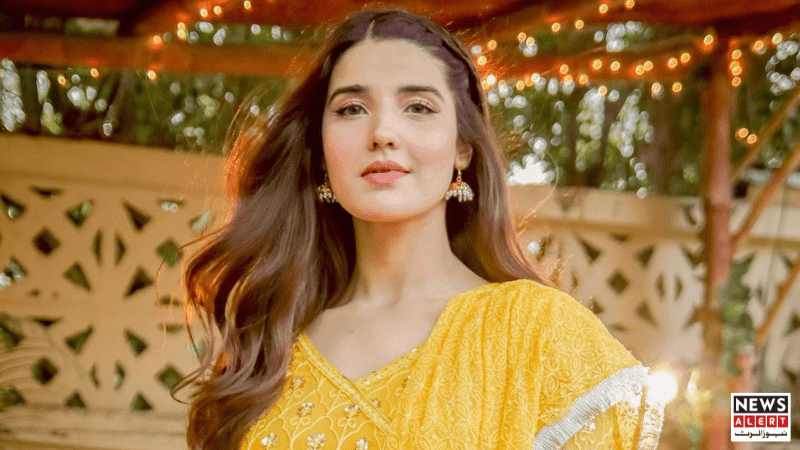
Pakistani film and television actor Hareem Farooq has shared her thoughts on romance, love, and companionship, offering a glimpse into her deeply emotional and cinematic worldview. In a recent interview, she spoke openly about her expectations from a future life partner, her favourite films, and the lessons she has learned from heartbreak. Her remarks reflect both a personal vulnerability and a broader cultural fascination with idealized love stories.
A Self-Confessed Romantic at Heart
Hareem Farooq describes herself as a very filmi person. By this, she means someone who sees romance through the lens of cinema. Speaking light-heartedly, she said she still dreams of a prince who would arrive and take her away in a carriage. The imagery is playful, yet revealing.
According to Farooq, she believes in grand gestures and emotional commitment. She values a kind of love where people are willing to fight for each other. She also believes real love requires change and sacrifice. In her view, the willingness to evolve for someone else is a true sign of sincerity.
Such romantic ideals are deeply rooted in South Asian popular culture. Films and television dramas often celebrate intense devotion and dramatic declarations. Farooq’s comments echo this long-standing tradition, while also highlighting her personal longing for meaningful connection.
Films That Shaped Her Idea of Love
During the interview, Farooq also spoke about the films that have influenced her understanding of romance. She named several iconic titles from Indian and Hollywood cinema. These included Dilwale Dulhania Le Jayenge, Dil To Pagal Hai, and Titanic.
She revealed that she has watched Titanic many times. The story continues to move her deeply. She said she feels inspired by characters who are willing to give up everything for love. For her, such stories represent emotional honesty and courage.
These films, released in the 1990s, remain popular across South Asia. They continue to shape romantic expectations for many viewers. Farooq’s admiration for them shows how cinema can leave a lasting emotional impact, even on those within the industry.
Heartbreak and Emotional Recovery
When asked about heartbreak, Farooq responded with striking honesty. She admitted that heartbreak can feel devastating. At the time, it can seem as if the world has come to an end.
However, she also spoke about resilience. She shared that after about a month, she consciously changed her mindset. She reminded herself that life does not end with one loss. According to her, there is always more to experience and look forward to.
Her comments reflect a reality many people face, especially in emotionally demanding professions. Actors often navigate intense public attention alongside private struggles. Farooq’s openness helps normalise conversations around emotional pain and recovery.
Beyond Tradition: What Makes a Relationship Work
Farooq also addressed expectations around marriage and relationships. She stressed that managing household tasks alone does not define a successful partner. Instead, she emphasized patience, affection, and understanding.
In her opinion, emotional intelligence matters more than traditional roles. She believes relationships thrive when built on mutual respect and empathy. This perspective challenges some conventional expectations often placed on women in South Asian societies.
At the same time, her remarks align with changing attitudes in Pakistan’s urban and creative circles. Increasingly, public figures are speaking about relationships as partnerships rather than obligations.
A Voice Reflecting Modern Romantic Thinking
Hareem Farooq’s reflections offer insight into how romance is being reimagined by a new generation. While her dreams may sound fairy-tale-like, her outlook on relationships is grounded in emotional realism.
By blending cinematic imagination with personal growth, she presents a nuanced view of love. Her words resonate with fans who balance tradition, popular culture, and modern values. In doing so, Farooq continues to shape conversations beyond the screen, using her platform to speak about love, loss, and hope with sincerity.