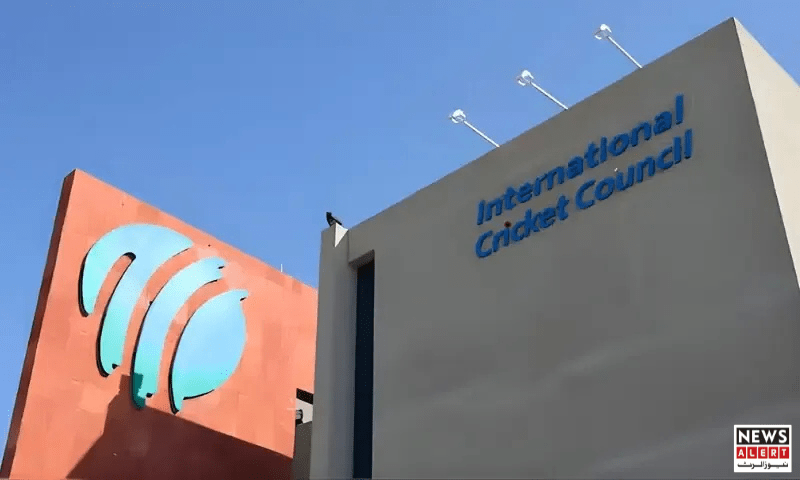
The International Cricket Council (ICC) has rejected Bangladesh’s request to move its T20 World Cup matches away from India, according to reports published by Indian media. The decision has deepened tensions between the two cricket boards and raised serious questions about player safety, tournament rules, and regional relations in international cricket.
Bangladesh officials sought a venue change due to security concerns. However, the ICC has reportedly insisted that Bangladesh must travel to India to play its scheduled matches. If the team refuses, it could face the loss of valuable tournament points.
ICC Maintains Firm Position on Hosting Plans
Indian media reports say the ICC has taken a clear and firm position on the matter. The council expects all participating teams to honour the official tournament schedule. ICC regulations allow changes only under exceptional and verified circumstances.
According to these reports, the ICC believes that India can provide sufficient security for visiting teams. On this basis, the council has informed Bangladesh that it must play its matches in India as planned. Failure to comply could trigger disciplinary action under tournament rules.
In ICC events, teams that do not appear for scheduled matches usually forfeit points. Such an outcome could seriously damage Bangladesh’s chances of progressing beyond the group stage.
Bangladesh Cricket Board Rejects Claims of Ultimatum
The Bangladesh Cricket Board (BCB) has rejected suggestions that the ICC issued any formal ultimatum. Board officials say the ICC has not delivered any written warning or final notice.
The BCB continues to stand by its position. Director Asif Akbar stated earlier this week that Bangladesh would not play T20 World Cup matches in India under any circumstances. He stressed that the board would prioritise player safety above all other considerations.
BCB officials argue that the current environment does not provide sufficient reassurance. They also say discussions with the ICC remain ongoing, despite reports suggesting otherwise.
This difference in messaging has added uncertainty. While Indian media describes a firm ICC stance, Bangladeshi officials describe the situation as unresolved.
IPL Incident Intensifies the Dispute
The dispute escalated after an incident linked to the Indian Premier League (IPL). Kolkata Knight Riders released Bangladesh fast bowler Mustafizur Rahman after he reportedly received threats from Hindu extremist groups.
Bangladeshi sources say the threats targeted the player directly and raised alarm within the cricketing community. Although IPL teams frequently make squad changes, this episode triggered serious concern in Bangladesh.
Soon after, relations between the two boards worsened. The BCB called an emergency meeting and later announced that the national team would not travel to India.
The incident highlighted how political and religious tensions can affect sport. It also renewed debate over the responsibility of host nations to protect visiting athletes.
Impact on International Cricket and Regional Relations
The ongoing standoff arrives at a critical moment for global cricket. The T20 World Cup attracts massive global audiences and generates significant revenue. Any disruption could harm the tournament’s image and commercial value.
India and Bangladesh share a long and complex cricketing relationship. India plays a central role in world cricket finances, while Bangladesh continues to grow as a competitive international side. A prolonged dispute could strain cooperation between the boards.
The ICC now faces a difficult task. It must uphold tournament regulations while addressing security concerns that Bangladesh has raised. The council’s handling of this issue may influence how future host nations manage similar situations.
Uncertainty Over the Next Steps
At present, the situation remains unresolved. Bangladesh may seek further talks or push for alternative arrangements. The ICC could also attempt mediation if tensions continue to rise.
What happens next could mark a turning point. The outcome may affect not only this tournament but also future decisions on hosting rights and team participation.
As the T20 World Cup approaches, attention will remain focused on the ICC’s response and Bangladesh’s final decision. The episode already stands as a reminder that modern cricket often extends far beyond the boundary line.