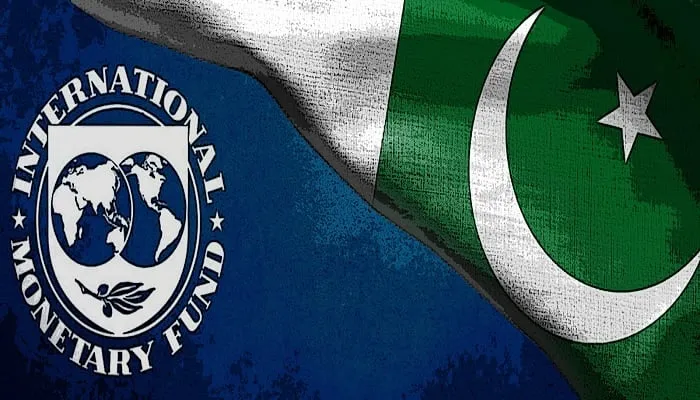
The International Monetary Fund (IMF) has cautioned that proposed electricity tariff revisions in Pakistan must not disproportionately affect middle- and lower-income households, as discussions continue with government authorities over the planned pricing changes.
According to a statement shared with Reuters, the Fund said it is assessing whether the proposed adjustments align with programme commitments and how they may influence inflation and overall macroeconomic stability.
Tariff Reforms Linked to IMF Programme
The federal government is considering a major overhaul of electricity pricing as part of reforms tied to its $7 billion Extended Fund Facility (EFF). The programme aims to address structural economic weaknesses and balance-of-payments challenges over the medium term.
Electricity costs carry significant weight in Pakistan’s consumer price index, making any price revision politically and economically sensitive. Although inflation has dropped from nearly 40% in 2023 to single digits, it remains a key concern for policymakers and households alike.
The IMF noted that progress in controlling circular debt — a long-standing issue caused by unpaid bills, subsidies, and inefficiencies across the power sector — has helped keep the programme on track.
Impact on Households and Industry
Analysts at Optimus Capital Management estimate that the tariff restructuring could increase inflation by around 1.1 percentage points over the next year. At the same time, industrial electricity rates may fall by 13–15%, potentially improving competitiveness for exporters and manufacturers.
However, the shift could significantly raise household bills. Middle-class consumers may face substantial increases, while users consuming between 100 and 300 units monthly could see higher fixed charges, according to Karachi-based consultancy Arzachel.
IMF Allows Pakistan to Resume Wheat Procurement, Lets Government Set Stock Targets
The National Electric Power Regulatory Authority (NEPRA) has also indicated that the lowest-income users may now pay fixed monthly charges that were previously absent.
Inflation and Economic Pressures
Energy expert Ahtasam Ahmad of Renewables First warned that declining household purchasing power since 2022 means any additional price burden could deepen inflationary pressures.
The reforms reflect a delicate balance: reducing subsidies and stabilising state-run utilities while preventing excessive hardship for consumers.
Solar Policy and System Stability
Alongside tariff changes, regulators have reduced payments to rooftop solar users supplying electricity to the grid. The move follows a surge in solar installations that lowered emissions and bills but reduced revenues for utilities.
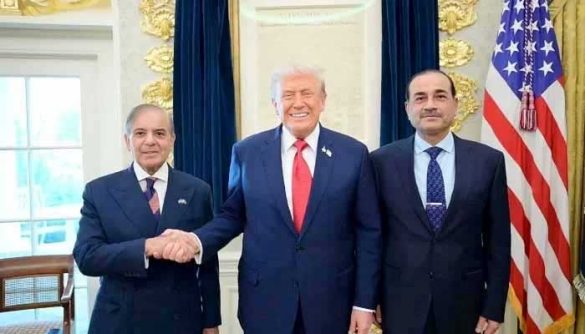
Prime Minister Shehbaz Sharif has ordered a review of the solar pricing policy to ensure costs are not shifted from hundreds of thousands of solar users to millions of grid consumers.
Experts caution that high fixed charges could push more households to disconnect from the grid entirely, potentially undermining long-term stability in Pakistan’s power sector.