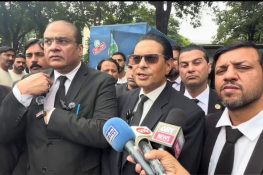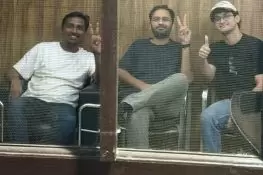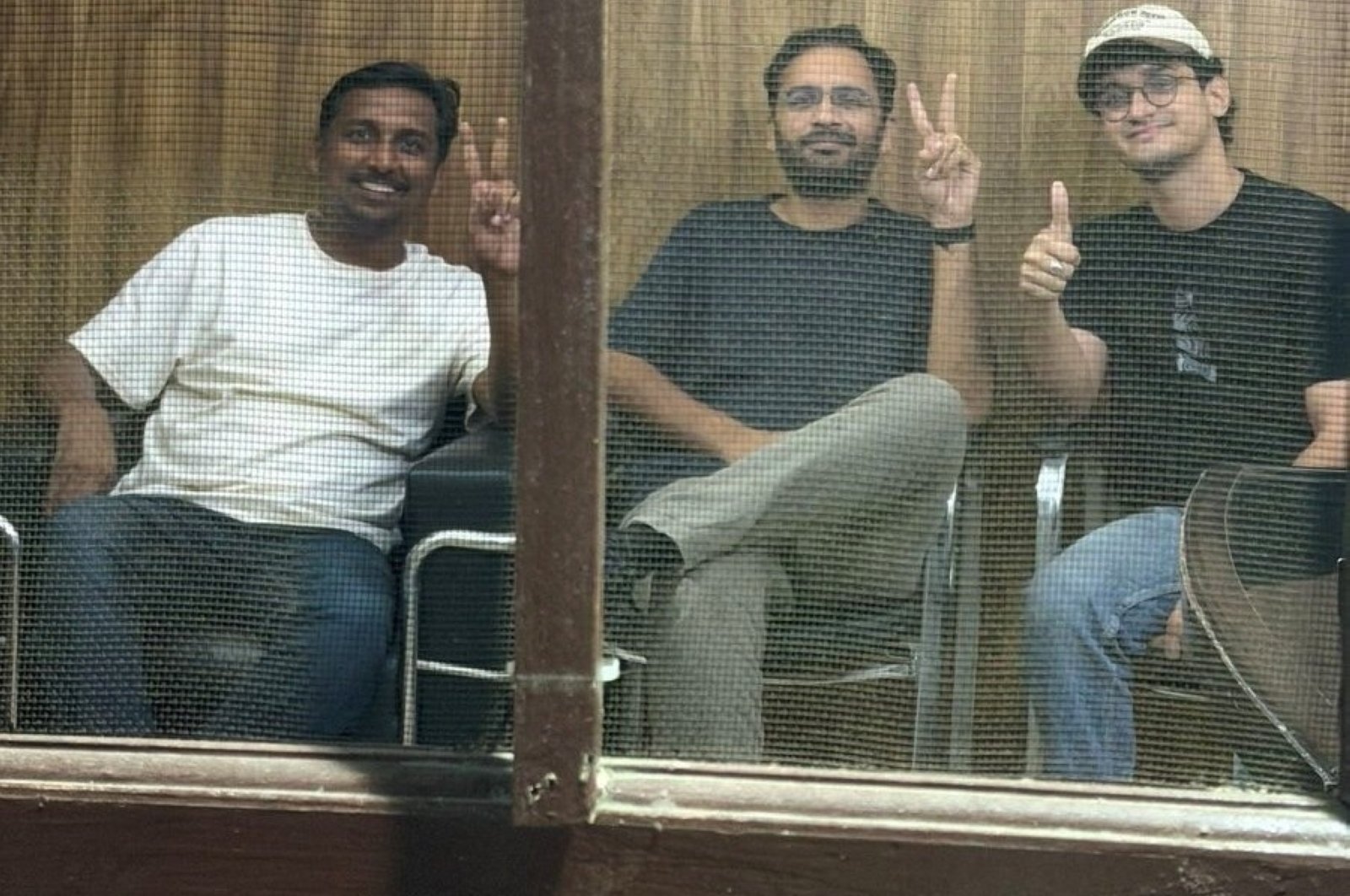
Two leaders of India’s youth-led Cockroach Janta Party (CJP) have been ordered to spend five days in jail after a protest at a historic site in New Delhi, according to the party and police.
Ashutosh Ranka and Saurav Das were among a group of demonstrators who climbed over barricades on Tuesday to enter the grounds of Jantar Mantar, an open-air observatory in central Delhi that has long been associated with public protests. The protesters chanted slogans demanding the resignation of Chief Election Commissioner Gyanesh Kumar.
The detentions could prompt further demonstrations by the movement’s young supporters as opposition parties and student organisations continue to protest over revisions to India’s voter lists.
Why Were the CJP Leaders Sent to Jail?
According to their lawyer, Abhisht Hela, Ranka and Das were sent to jail for allegedly violating legal undertakings they had given authorities after being released from detention the previous week.
Delhi Police said the action followed what they described as repeated violations and concerns that the two leaders might again breach the law or encourage others to do so if released on bail.
Police also said Jantar Mantar was no longer an officially designated venue for demonstrations, despite its previous use for public protests.
The court’s order comes amid growing tensions between authorities and groups challenging changes to electoral registration procedures.
Cockroach Janta Party Vows to Continue Protests
CJP leader Ajinkya Shinde, who was released on a personal bond, said the detentions would not intimidate the movement.
Shinde vowed that the party would continue its campaign against the government, signalling that the arrests may not bring an end to the protests.
The Cockroach movement has organised demonstrations in recent months over several issues, including government school infrastructure, employment opportunities and alleged irregularities in examinations.
Earlier this year, a weeks-long sit-in by its supporters at Jantar Mantar reportedly contributed to Education Minister Dharmendra Pradhan’s resignation following controversy over examination paper leaks.
India detains ‘Cockroach’ movement founder ahead of Delhi protest
Protests Target Election Chief Over Voter List Changes
The latest demonstrations focus on voter list revisions overseen by the Election Commission of India and Chief Election Commissioner Gyanesh Kumar.
The protests intensified after The Indian Express reported that two of Kumar’s deputies had raised internal concerns about the revisions, registration procedures and digital systems used in the process.
Opposition parties have questioned the changes, alleging that they could affect electoral participation and disproportionately impact Muslims and other minority communities.
The Election Commission has denied favouring any political party and said voters whose names were wrongly deleted can re-enrol. Prime Minister Narendra Modi’s Bharatiya Janata Party (BJP) has accused its political opponents of undermining confidence in legitimate electoral procedures.
More Than 130 Million Names Removed From Voter Lists
According to the figures cited in the report, the voter list revisions, which began last year, resulted in the removal of more than 130 million names.
The reported breakdown includes approximately 28 million people recorded as deceased, 63 million said to have relocated and 30 million who could not be traced.
The scale of the removals has become a major point of contention, with opposition parties arguing that the changes could disenfranchise eligible voters. The Election Commission and the BJP have rejected allegations of political bias.
The dispute has fuelled demonstrations by opposition groups and student organisations, which are demanding Kumar’s resignation.
Detentions Add to Political Tensions
The imprisonment of Ranka and Das comes as protests over electoral procedures continue across India. Their party’s pledge to maintain its campaign suggests that the detentions could become another flashpoint in the dispute.
Authorities have justified the action on the grounds of alleged repeated violations of legal undertakings, while the CJP has vowed not to be deterred.
The developments highlight the growing confrontation over voter registration, electoral oversight and the right to demonstrate, with further protests possible as the dispute continues.