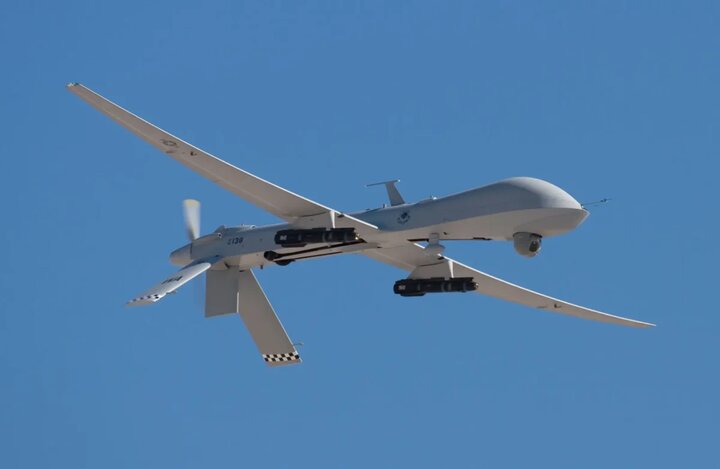
Iran’s Islamic Revolutionary Guard Corps (IRGC) has claimed that its air defence system intercepted a US MQ-1 drone east of the Strait of Hormuz, according to Iranian state broadcaster Press TV on Thursday.
The reported interception comes amid renewed diplomatic efforts to prevent a resumption of hostilities between Iran and the United States, with regional mediators seeking an agreement that could ease tensions and avert further military strikes.
Iran Says Diplomacy Remains an Option
Iranian Foreign Minister Abbas Araghchi said on Wednesday that Tehran remained in close contact with intermediaries to examine proposals aimed at implementing Iran’s seven-day peace plan.
In a post on X, Araghchi said Iran’s armed forces remained prepared to defend the country while the government continued to pursue a diplomatic solution.
He said Tehran was reviewing ideas that could facilitate the implementation of its proposal in less than a week.
Araghchi’s remarks indicate that Iran is continuing to consider diplomatic options despite the ongoing confrontation with Washington.
Qatar-Led Mediation Seeks US-Iran Agreement
Regional mediators led by Qatar are working to revive negotiations between the United States and Iran in an effort to prevent a renewed outbreak of war, the news website Axios reported on Wednesday.
According to the report, the mediators are urging Tehran to permit United Nations inspectors to visit nuclear sites damaged in earlier strikes. In return, Iran could receive some relief from US sanctions.
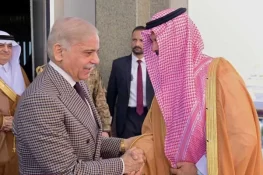
Pakistan, Saudi Arabia, Egypt and Turkiye are also supporting the diplomatic initiative, the report said, citing American, Israeli and regional sources.
The proposed arrangement reflects efforts by regional countries to establish a framework that could reduce tensions and prevent further military action.
Iran sets seven conditions for reopening Strait of Hormuz
Trump Says Outcome of Talks Remains Uncertain
US President Donald Trump confirmed that discussions with Iran were taking place through intermediaries but expressed uncertainty about whether the negotiations would succeed.
Speaking to Axios, Trump said the United States needed to resolve the confrontation either through an agreement or by other means.
His remarks came after weeks of threats to launch large-scale strikes against Iran if diplomatic efforts failed.
Washington is continuing to explore whether negotiations can produce an arrangement that would prevent renewed attacks in the coming weeks.
JD Vance Reportedly Sends Letter to Iranian Official
Separately, The Wall Street Journal reported on Wednesday that US Vice President JD Vance had sent a letter to Iranian security chief Mohsen Rezaei in an effort to revive peace negotiations.
The report, citing US officials and people familiar with the matter, said the letter was sent at Trump’s direction as Washington explored the possibility of a diplomatic framework.
Asked whether he had instructed Vance to communicate with Iran, Trump said the issue concerned the delivery of medical supplies and other assistance.
Trump said Vance had asked for his opinion and that he had agreed to the effort, describing it as an attempt to get supplies to people who were unwell.
Strait of Hormuz Remains a Key Issue
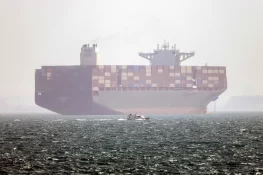
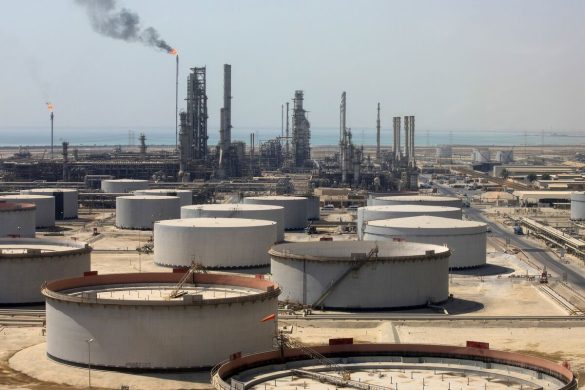
The Strait of Hormuz is a strategically important maritime passage for global energy supplies. Any disruption to shipping through the waterway can have significant implications for oil markets and international trade.
Iran’s reported interception of the US drone, alongside ongoing diplomatic contacts, underscores the fragile situation as regional countries seek to prevent another escalation.
Although mediation efforts are continuing, the outcome remains uncertain, with Washington and Tehran yet to establish a publicly confirmed agreement that would guarantee a lasting reduction in tensions.