Iran has announced that it is close to finalising a joint plan with Oman for managing shipping through the Strait of Hormuz, one of the world’s most strategically important maritime routes. However, Tehran says any meaningful reopening of the waterway still depends on the United States ending what Iran describes as its naval blockade of Iranian ports.
The announcement comes as fresh security incidents in the region underscore the continuing risks facing international shipping, despite signs of diplomatic progress.
Iran and Oman Finalising Joint Hormuz Plan
According to Iran’s state news agency IRNA, Foreign Ministry spokesperson Esmaeil Baqaei said Tehran and Muscat have agreed on the geographical route for vessels transiting the Strait of Hormuz and are completing the final draft of a joint statement outlining the framework for managing the strategic passage.
Baqaei said the agreement could be announced soon, provided there is no interference from “third parties.”
He stressed that although negotiations with Oman were progressing positively, reaching an agreement would not automatically make the Strait of Hormuz safe for all commercial shipping.
Tehran Says US Actions Remain the Main Obstacle
Iran maintains that the biggest obstacle to restoring normal navigation in the Strait of Hormuz is the continued presence and actions of the United States.
Baqaei argued that the US naval blockade of Iranian ports, along with what Tehran describes as aggressive actions against Iranian interests, continues to threaten the security of the waterway.
Since the outbreak of the conflict involving the United States and Israel on February 28, Iran has exercised de facto control over parts of the Strait and warned that vessels using routes it considers unauthorised could face consequences.
US President Donald Trump has repeatedly suggested that Iran is eager to reach an agreement to reopen the Strait. However, Tehran has rejected that claim, insisting it is pursuing arrangements with Oman rather than negotiating with Washington.
Why the Strait of Hormuz Matters
The Strait of Hormuz is one of the world’s most critical energy chokepoints.
Before the conflict, nearly 20% of global oil and liquefied natural gas (LNG) exports passed through the narrow waterway, linking Gulf producers with international markets.
Because of its strategic importance, any disruption to shipping through the Strait has an immediate impact on global energy supplies and oil prices.
Oil Prices Edge Lower as Iran-Oman Talks Raise Hopes for US-Iran Peace Agreement
Fresh Security Incidents Highlight Ongoing Risks
Despite diplomatic efforts, security concerns remain high across the region.
Britain’s UK Maritime Trade Operations (UKMTO) reported that the captain of an oil tanker heard two explosions while transiting the Strait of Hormuz about nine nautical miles (17 kilometres) southeast of Kumzar, Oman. The vessel and its crew were reported safe.
Separately, Yemen’s Houthi movement claimed responsibility for missile attacks on two Saudi oil tankers.
Military spokesperson Yahya Saree said missiles struck the tanker Wafa near Yanbu in the northern Red Sea and the tanker Daisy in the Gulf of Aden.
Saudi authorities had not issued an immediate response to the claims.
US Says Diplomacy Will Take Time
US Vice President JD Vance acknowledged that negotiations with Iran are likely to be slow and complicated.
Speaking to Fox News, Vance said Iran’s internal political system is fragmented, making diplomatic progress difficult.
He added that reaching a lasting agreement would require patience and sustained negotiations.
Shipping Patterns Have Changed
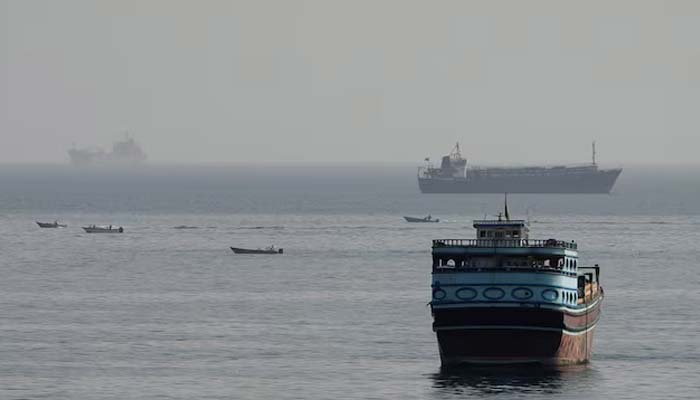
Since imposing tighter control over the Strait, Iran has directed vessels to follow routes closer to its coastline.
Many commercial ships, however, have instead chosen southern routes near Oman’s coast to avoid potential confrontations, although some have still come under attack.
Iran has also indicated that it wants greater authority over the Strait, including the ability to regulate traffic and collect transit fees—powers it did not exercise before the conflict and proposals that the United States is expected to oppose.
Diplomatic Progress Faces Major Challenges
While the reported agreement between Iran and Oman represents a significant diplomatic development, major hurdles remain before the Strait of Hormuz can fully reopen to normal commercial traffic.
Analysts say the success of any future arrangement will depend not only on cooperation between Tehran and Muscat but also on broader regional security conditions and whether the United States and Iran can reduce tensions through diplomacy.
With the Strait remaining a vital artery for global energy supplies, developments in the coming weeks are expected to be closely watched by governments, energy markets, and international shipping companies alike.