CAIRO: Iran has threatened the United States with what it described as “economic warfare” and claimed to have used a new advanced missile against US warships, raising fresh concerns over a wider escalation in the six-month-old conflict.
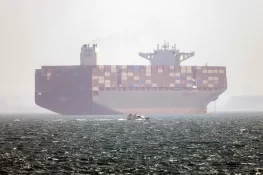
Iranian officials said Tehran plans to announce a new restricted maritime zone in the Gulf within days, along with maps showing a proposed shipping corridor through the Strait of Hormuz. The move comes as Iran continues to disrupt commercial shipping through the strategic waterway despite US efforts to reopen the route.
The Strait of Hormuz is one of the world’s most important energy corridors, and continued disruption has added pressure to global oil and gas markets.
Iran threatens maritime exclusion zone
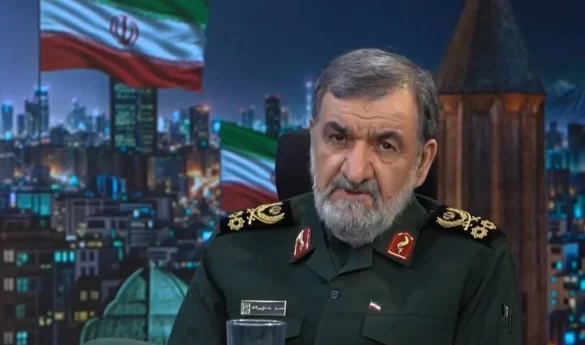
Mohsen Rezaei, secretary of Iran’s Supreme National Security Council, said the proposed restricted zone would begin from the point where the US blockade of Iran starts and extend into parts of the Gulf.
He warned that vessels entering the designated area could be added to an Iranian sanctions list.
Rezaei repeated the warning on Tuesday in a post on X, linking Iran’s economic response to its military capabilities.
“In recent days, Washington has received a clear warning from Iran’s new missiles,” he said, adding that economic pressure would be met with a maritime exclusion zone stretching across the Persian Gulf toward the blockade perimeter.
He also said Iran had fundamentally changed its operational posture toward US warships and military bases in the region.
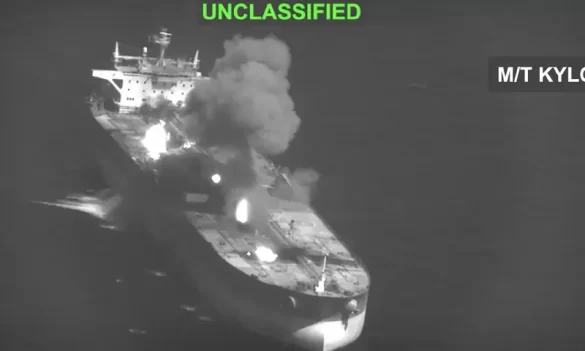
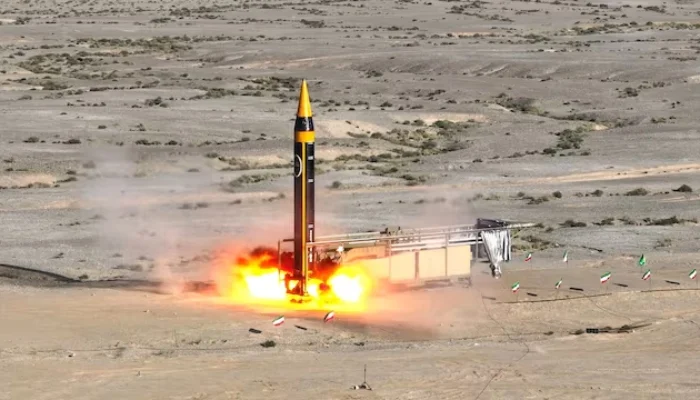
The remarks were likely referring to the Qassem Basir ballistic missile, which Iranian state media said had been fired at US warships near the Strait of Hormuz. The US military, however, said its vessels had successfully evaded the reported missile attacks.
Qassem Basir missile raises tensions
Iran has presented the Qassem Basir as an upgraded ballistic missile featuring greater manoeuvrability and improved guidance capabilities.
Iranian media have claimed that the missile can better evade missile defence systems and remain effective in environments where electronic warfare is being used. Fars news agency reported that the weapon was first used in combat against Israel in June 2025.
Despite extensive US attacks that have weakened Iran’s conventional military capabilities and placed further strain on its economy, Tehran has retained missile and drone systems capable of threatening commercial vessels travelling through the Strait of Hormuz.
Iran has also demonstrated the ability to threaten Gulf states that host US military facilities, adding another layer of risk to the ongoing confrontation.
US military turns off trackers on devices over fears troops could be tracked by Iran
Strait of Hormuz remains key pressure point
Before the war, roughly one-fifth of global oil and liquefied natural gas shipments passed through the Strait of Hormuz. The waterway therefore remains one of Iran’s most important sources of strategic leverage.
By disrupting shipping, Tehran can pressure energy markets and raise the cost and risk of transporting oil and gas from Gulf countries.
However, some analysts believe Iran’s ability to use the strait as leverage may be weakening as US economic sanctions become increasingly difficult for Tehran to withstand.
Shipping data cited by Reuters showed that an average of only around 10 commodity vessels per day passed through the strait during the previous 10 days, the lowest level recorded since May.
Trump says oil prices will fall after US victory
US President Donald Trump has continued to argue that the conflict will ultimately result in lower energy prices.
“Oil prices will drop precipitously,” Trump said on social media, predicting that gasoline prices could eventually fall below $2 a gallon after what he described as a US victory over Iran.
Trump launched “Operation Epic Fury” in February with the stated objectives of ending Iran’s nuclear programme, preventing Tehran from attacking neighbouring countries and creating conditions for political change inside Iran.
However, Iran’s clerical leadership remains in power and continues to demand sanctions relief as part of any potential settlement.
Tehran has also indicated that it hopes eventually to collect fees from ships using the Strait of Hormuz.
Lebanon strikes add to regional tensions
The broader conflict has also continued to affect Lebanon. Israeli strikes on a town in southern Lebanon killed at least 12 people on Monday, according to Lebanon’s health ministry.
The attacks were among the deadliest bombardments in the area in recent weeks and have raised concerns about a renewed Israeli military campaign despite a June ceasefire with the Iran-backed Hezbollah group.
The latest violence could further complicate diplomatic efforts to end the wider conflict. Tehran has maintained that any lasting agreement with Washington must also address Israeli military operations in Lebanon.
With the Strait of Hormuz still under pressure, US-Iran tensions unresolved and fighting continuing across parts of the region, the risk of further escalation remains high.