Pakistan Denounces India’s Kashmir Claims at the UN
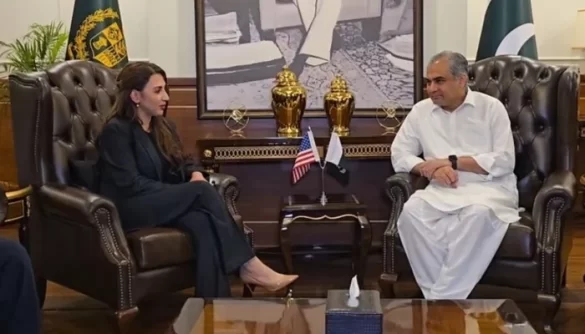
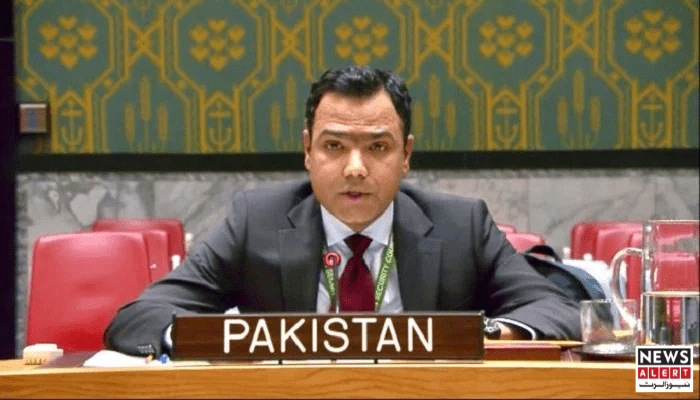
At a recent United Nations Security Council session, Pakistani Consul General Gul Qaiser Sarwani sharply criticized India’s stance on Kashmir. He stressed that Kashmir has never been part of India and never will be. Moreover, he described India’s territorial claims as illegal and unacceptable under international law.
According to Sarwani, Jammu and Kashmir remains a disputed territory recognized internationally. Consequently, any unilateral claims by India threaten both legal norms and regional stability.
Accusations of State-Sponsored Terrorism
During his address, Sarwani accused India of repeated aggression against Pakistan. Many of these acts, he said, occur under state-sponsored terrorism. He characterized India’s behavior as reflecting a rogue actor mentality, which directly threatens peace in South Asia.
He further cited specific examples of militant groups operating in Pakistan with Indian support. These include the Tehrik-i-Taliban Pakistan (TTP) and the Baloch Liberation Army (BLA). Both groups, he noted, have carried out multiple attacks within Pakistan. Therefore, he called on India to immediately halt support for terrorism, warning that continued backing of violence could destabilize the region.
Context on Jammu and Kashmir
The Jammu and Kashmir dispute dates back to 1947. After the partition of British India, both India and Pakistan claimed the princely state. Since then, several wars and ongoing skirmishes have left the region in prolonged tension.
The United Nations has passed multiple resolutions urging a peaceful settlement based on self-determination. While India controls much of the territory, Pakistan continues to contest this claim. In fact, Pakistan emphasizes that the international community must recognize the region’s disputed status.
Criticism of India’s Approach to the Indus Waters Treaty
Sarwani also addressed India’s recent statements on the Indus Waters Treaty (IWT). He argued that India misrepresented facts and misinterpreted the treaty. He further highlighted that the agreement does not allow unilateral suspension or amendment of any clause.
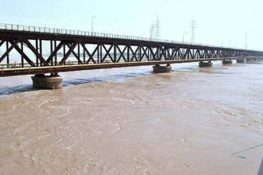
Signed in 1960 under World Bank supervision, the treaty governs water distribution between India and Pakistan. Consequently, Pakistan expressed concern that India’s recent actions may undermine the treaty and heighten bilateral tensions.
Pakistan Calls for International Oversight
Through these statements, Pakistan sent a global message: India’s aggressive actions violate international law and the UN Charter. In addition, Sarwani urged the international community to closely monitor India’s conduct and recognize Kashmir as a disputed territory.
Analysts suggest that Pakistan’s diplomatic intervention aims to keep Kashmir on the UN agenda. By highlighting India’s conduct, Pakistan also frames the issue as a threat to both regional security and international norms.
Regional Implications
If Pakistan’s accusations prove correct, the implications could extend across South Asia. In particular, state-sponsored terrorism, cross-border violence, and disputes over shared rivers have long fueled tension. Experts warn that unresolved issues could destabilize the region, affecting millions living along contested borders.
By raising these concerns at the UN, Pakistan hopes to pressure India to respect international agreements. Furthermore, it seeks to rally global support for a peaceful resolution of longstanding disputes.