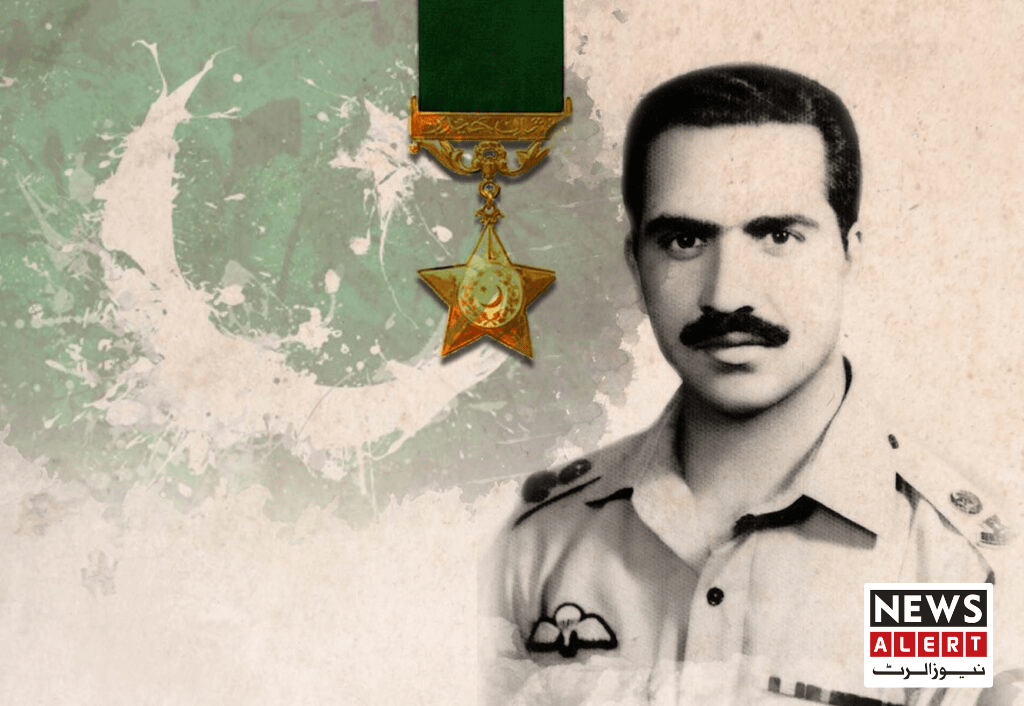
Nation Pays Tribute to an Extraordinary Soldier
Pakistan on Friday observed the 54th martyrdom anniversary of Major Muhammad Shabbir Sharif, one of the most celebrated figures in the country’s military history. As the youngest recipient of the Nishan-e-Haider, he still represents courage, duty and unshakable commitment.
Across the country, people marked the day with ceremonies, prayers and quiet reflection. Many citizens view Major Sharif as a national icon, and similarly, Pakistan recently honoured another war hero on his 54th martyrdom anniversary—Major Akram Shaheed—highlighting the country’s deep respect for its fallen soldiers.
Military Leadership Highlights His Enduring Influence
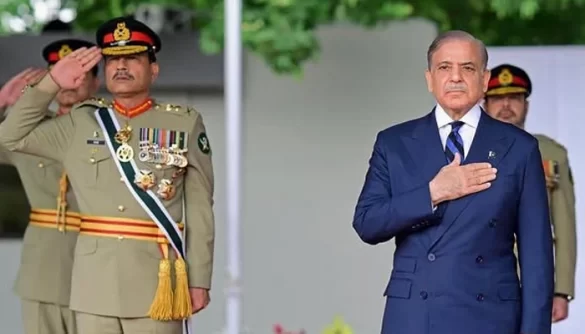
Chief of Defence Forces Field Marshal Syed Asim Munir led this year’s tributes. He noted that the nation will always honour soldiers who place duty before their own lives. Furthermore, he described Major Sharif’s actions as a benchmark for leadership in extreme conditions.
Additionally, the Naval Chief and Air Chief praised his bravery and discipline. They emphasised that the spirit of officers like Major Sharif strengthens the country’s defence posture. Moreover, senior commanders reiterated that the commitment of martyrs forms the backbone of Pakistan’s security. Their remarks reflected a unified message: acts of courage shape a nation’s confidence in its military.
Why the Sulemanki Sector Mattered
According to the Inter-Services Public Relations (ISPR), Major Sharif received a crucial assignment during the 1971 war. He had to protect a key position near the Sulemanki Headworks, an area that could influence troop movement and water control along the border. Because the location offered strategic depth, losing it would have given Indian forces a major advantage.
As the night of 5 and 6 December 1971 unfolded, Major Sharif led a series of bold, close-range operations. Despite heavy fire, he moved forward with determination and struck enemy positions with precision. Consequently, his actions disrupted the Indian advance and reduced their confidence. The Sulemanki sector, already tense, soon became one of the most fiercely contested battle zones of the war.
A Decisive Moment Against the 4 Jat Regiment
Soon after the fighting escalated, Major Sharif confronted India’s 4 Jat Regiment, which pushed hard to capture the position. He showed quick judgement, strong leadership and clear focus. During a critical exchange, he killed the regiment’s commander, Major Narain Singh, in close combat. As a result, Indian troops lost momentum, and Pakistani forces regained vital space to reorganise.
Throughout 6 December, he repelled several counterattacks and refused to step back. Although the enemy pressed forward with greater strength, he maintained his position and continued directing fire. Fellow soldiers say he fought with calm intensity and inspired everyone around him. Eventually, he fell in battle while defending the post he refused to leave.
His final stand remains a defining chapter of the 1971 conflict. Many historians point out that his leadership directly shaped the outcome of the Sulemanki engagement and influenced the broader dynamics of the war.
Awards and Legacy That Endure Through Generations
Major Shabbir Sharif had already earned the Sitara-e-Jur’at for his bravery in the 1965 war. After his actions in 1971, Pakistan awarded him the Nishan-e-Haider, the highest military decoration in the country. Since only 11 individuals have received this honour, his place in national memory remains significant.
Even today, military academies teach cadets about his battlefield decisions. Furthermore, young officers study his leadership style to understand how courage and clarity guide effective command under pressure. His name also appears in school textbooks, documentaries and public discussions on national pride.
A Legacy That Continues to Inspire
ISPR highlighted that the sacrifices of martyrs still reinforce the foundations of Pakistan’s sovereignty. Moreover, it stated that the country draws moral strength from individuals who stand firm in moments of crisis.
As Pakistan marks the 54th anniversary of his martyrdom, Major Shabbir Sharif’s story continues to resonate across generations. His commitment to duty, his bold actions at Sulemanki and his unwavering courage remain powerful reminders of how one soldier can influence the course of history.