KARACHI: The judicial commission formed to investigate the death of young businessman Mir Raza Ali has been directed to submit its report within 30 days, as questions continue to surround the circumstances of his death in Karachi.
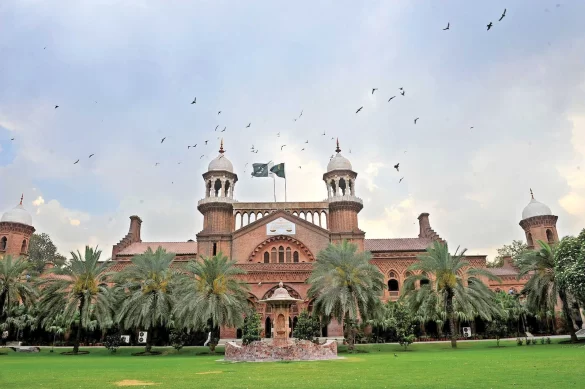
The Sindh High Court (SHC) has appointed its sitting judge, Justice Omar Sial, as head of the commission following a request from the Sindh government. However, Mir Raza’s family has challenged the formation of the inquiry panel, arguing that establishing the commission at this stage could negatively affect the ongoing investigation.
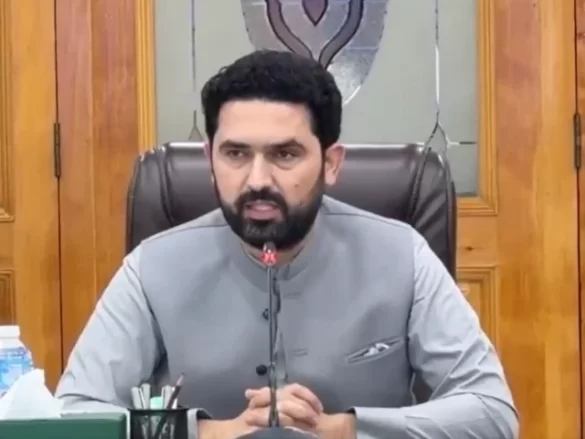
Karachi Mayor Murtaza Wahab, meanwhile, has defended the decision, saying there is nothing wrong with a judicial commission investigating the matter and urging the family to cooperate with the process.
Judicial commission to examine investigation
According to the notification issued for the commission’s formation, the panel will examine the constitutional and legal aspects of the investigation and determine the facts surrounding Mir Raza’s death.
The commission is also expected to focus on transparency in the investigation and help establish the circumstances in which the young businessman died.
Speaking about the development, Mayor Murtaza Wahab said that ultimately the matter would be decided by the courts. He urged the family and other stakeholders to assist the commission so that the investigation could move towards a conclusion.
The commission has been given 30 days to prepare its findings, placing a specific timeline on an inquiry that has already attracted considerable public and media attention.
Mir Raza found dead after going missing
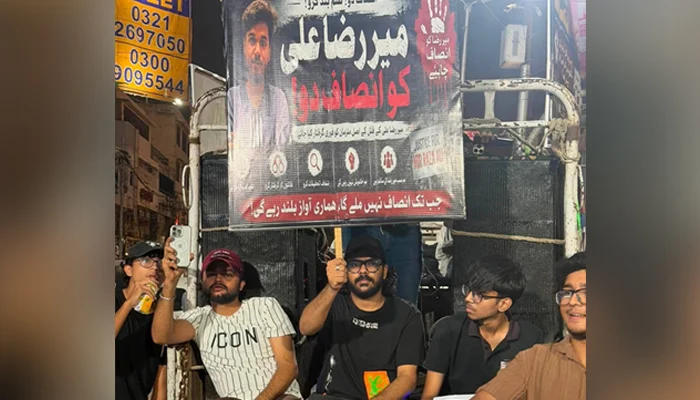
Mir Raza Ali, an IBA graduate and businessman, went missing on July 28 and was found dead the following day in Karachi’s Gulistan-e-Jauhar area.
His family has consistently rejected the suggestion that he died by suicide. His father has maintained that Mir Raza was murdered and has called for a transparent and thorough investigation into the circumstances surrounding his death.
An autopsy report cited in the case found that Mir Raza had sustained a gunshot wound to the back. The report also documented several other injuries and marks of violence on his body.
According to the medical findings, injuries were observed on his feet, while a fracture and an approximately 12-centimetre injury were reported on his right thigh. The report also mentioned a deep injury and fracture in the jaw area.
These findings have become an important part of the questions being raised by the family regarding the circumstances of his death.
Mir Raza Ali’s father seeks suspension of East DIG over alleged evidence concealment
Family challenges formation of commission
After reports emerged that the Sindh government intended to establish a judicial commission, Mir Raza’s family approached the Sindh High Court.
The family has instead sought the formation of a joint investigation team (JIT), arguing that the existing investigation has failed to reach a conclusion.
Justice Adnan-ul-Karim Memon heard the petition in his chamber and issued notices to the respondents, seeking their responses by August 31.
A total of 19 individuals and entities have been named as respondents, including several Sindh government departments, members of the team investigating the case and the doctors who conducted Mir Raza’s post-mortem examination.
Lawyer raises questions over evidence
The family’s lawyer, Jibran Nasir, has strongly objected to the formation of the judicial commission at this stage. He argued that the move could adversely affect the case and questioned whether the commission’s findings could ultimately be incorporated into the criminal proceedings.
Nasir said the family had learned about the government’s decision through media reports rather than being formally informed beforehand.
He also raised questions about the handling of evidence, alleging that important evidence may have been destroyed and questioning why no action had been taken against officials allegedly responsible.
The lawyer further alleged that a narrative of suicide had been created through the selective release of CCTV footage. He said the family had not been provided with the complete CCTV footage and questioned why authorities were now describing cameras as faulty after several weeks.
Questions remain over CCTV footage
According to Nasir, the family is particularly concerned about CCTV footage and the vehicles reportedly visible in it.
He questioned why the authorities had not investigated those vehicles and raised concerns over claims that some cameras were not functioning.
The competing positions — with the government supporting a judicial commission and the family seeking a JIT — have added another layer to an already closely watched case.
The Sindh High Court’s proceedings and the judicial commission’s inquiry are therefore expected to play an important role in determining how the investigation proceeds. For now, the commission has been given 30 days to examine the available material and prepare its report, while the family’s petition remains pending before the high court.